




The Heart of Qatari Hospitality
Qatari cuisine is a flavourful reflection of Bedouin heritage and maritime trade history, with influences from Persia, India, and North Africa. The cornerstone of any traditional meal is 'machboos', the national dish. This aromatic one-pot meal consists
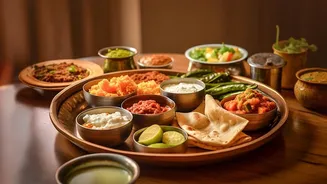
of richly spiced rice slow-cooked with lamb, chicken, or fish, infused with cardamom, cinnamon, and dried lime (loomi). Another staple is 'harees', a comforting porridge of boiled wheat and meat, often enjoyed during celebrations. Food is central to Qatari hospitality, and these dishes are often served in large platters intended for sharing, embodying a culture of generosity. The serving of 'kahwa', a lightly roasted coffee flavored with cardamom, is a traditional sign of welcome.
A Sensory Journey Through Souq Waqif
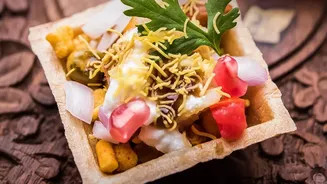
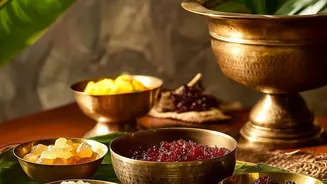
No culinary tour of Qatar is complete without a visit to Souq Waqif in Doha. This bustling marketplace is a labyrinth of alleyways filled with the scent of spices, perfumes, and sizzling street food. Here, you can find everything from local dates and honey to fragrant saffron and nuts. The souq offers numerous opportunities to sample authentic Qatari food, from casual stalls to traditional restaurants. Visitors can try 'regag', a paper-thin crepe often filled with cheese or egg, or sit down for a full meal at one of the many eateries. Guided food tours through the souq are popular, offering a curated taste of local delicacies and insights into their cultural significance.
The World on a Plate: Fine Dining
Qatar’s dining scene has exploded with world-class restaurants helmed by internationally renowned chefs. The capital, Doha, boasts outposts from culinary giants like Nobu Matsuhisa (Nobu), Alain Ducasse (IDAM), and Wolfgang Puck (CUT). IDAM, located on the top floor of the iconic Museum of Islamic Art, offers stunning views and contemporary Mediterranean cuisine with an Arabic twist, earning it a Michelin star. The world's largest Nobu crowns the Four Seasons hotel, serving its signature Japanese-Peruvian fare against a backdrop of the Arabian Gulf. The city's luxury hotels house an array of high-end options, from the modern Cantonese cuisine at Hakkasan to authentic Italian at Alba at Raffles Doha. This global culinary presence has established Qatar as a premier fine-dining hub.
Beyond the Restaurant Walls
Unique culinary experiences extend far beyond traditional restaurant settings. For a truly memorable meal, many operators offer desert safari trips that culminate in a traditional Bedouin-style dinner under the stars. These experiences often include dune bashing followed by a barbecue feast featuring dishes like machboos. Back in the city, the karak tea culture is an essential part of daily life. This strong, milky tea infused with cardamom is sold at countless small cafeterias and is often enjoyed with a side of chapati bread. For a more serene setting, many hotels and resorts offer lavish seaside brunches and sunset dinner cruises on traditional dhow boats, combining delicious food with spectacular views of the Doha skyline.
Sweet Endings and Local Treats
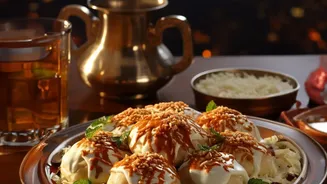
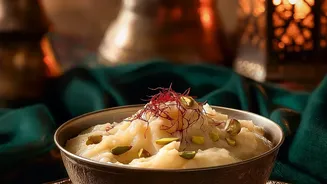
A Qatari meal is often concluded with an array of indulgent desserts. One of the most beloved is 'luqaimat', sweet fried dumplings that are crispy on the outside, soft on the inside, and drizzled with date syrup or honey. Another popular treat, especially during Ramadan, is 'kunafa', a dessert made of spun pastry layered with soft cheese and soaked in a sweet syrup, often topped with pistachios. 'Balaleet', a surprising dish of sweet vermicelli noodles seasoned with saffron and topped with a savory omelet, is a common breakfast food but also enjoyed as a dessert. Doha's sweet shops, like Al Aker Sweets, are institutions where you can find these traditional desserts alongside other regional favorites like baklava.