



A Skyrocketing Demand for Air Travel
The numbers paint a clear picture of an aviation market in overdrive. India is projected to be the world's fastest-growing major aviation market, with some forecasts predicting an annual domestic traffic growth of over 9% through 2045. In the 2025-26
fiscal year, total passenger traffic already climbed to over 246 million, with international travel showing robust growth of over 6%. This boom is not a fleeting trend but a structural shift. It is driven by rising disposable incomes, a national push for regional connectivity through schemes like UDAN, and a rapidly expanding airport network that grew from 74 airports in 2014 to over 160 today. This sustained growth in passenger numbers is the primary engine behind the unprecedented demand for new aircraft.
The Great Aircraft Shopping Spree
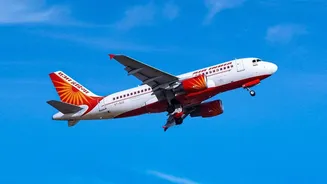
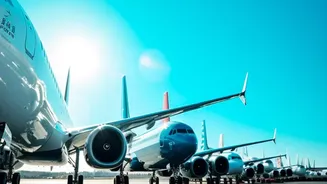
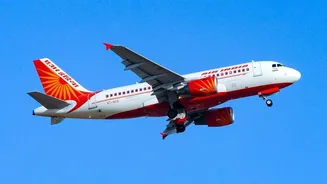
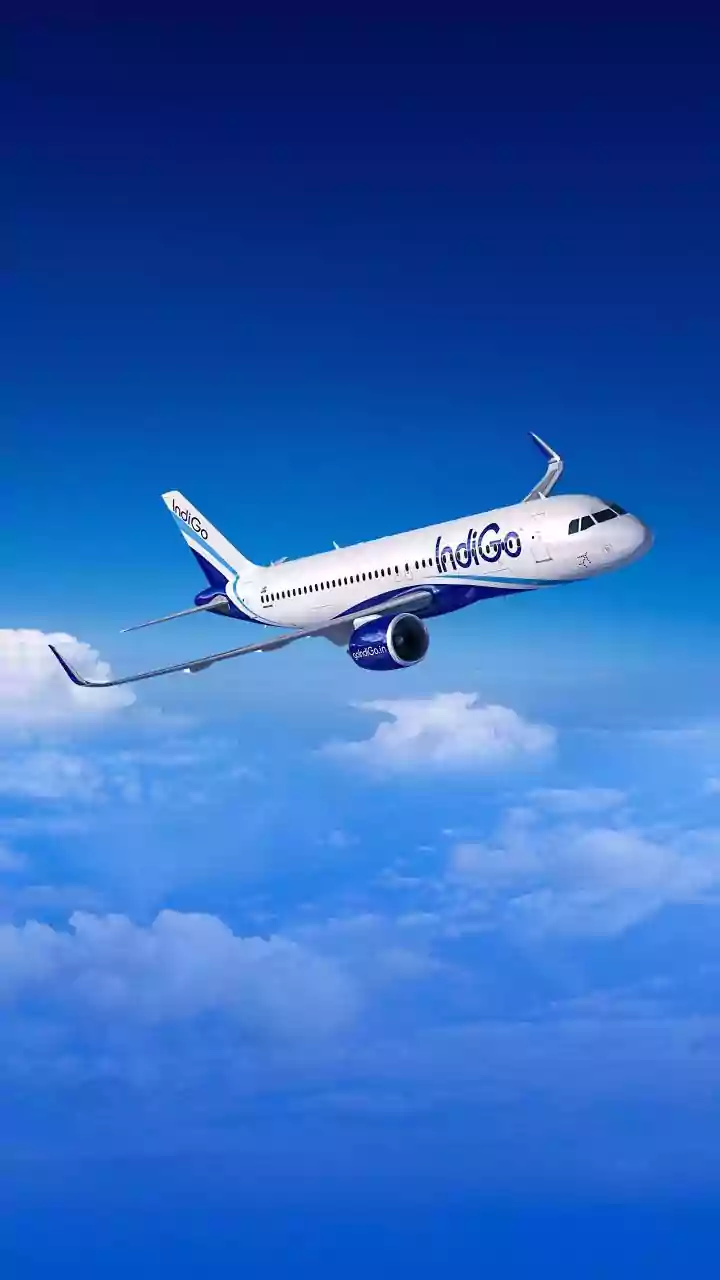
Indian carriers are responding to this demand with some of the largest aircraft orders in aviation history. According to Union Commerce and Industry Minister Piyush Goyal, airlines like Air India, IndiGo, and Akasa Air have already placed firm orders for over 1,200 aircraft from manufacturers Airbus and Boeing. Furthermore, Goyal stated that the industry anticipates needing another 1,000 planes, pushing the total requirement well over the 2,000-mark. These orders are colossal. IndiGo made headlines with a historic order for 500 Airbus A320neo family aircraft, while the revitalised Air India, under Tata Group ownership, placed a landmark order for 470 aircraft from both Boeing and Airbus. These massive order books signal a fierce race to scale up capacity and capture market share.
Strategic Fleet Expansion: From Domestic to Long-Haul
The shopping list is strategically diverse, reflecting a dual focus on dominating domestic routes and expanding international reach. The bulk of the orders consists of narrow-body aircraft like the Airbus A320neo family and Boeing 737 MAX, which are the workhorses of domestic and short-haul international flights. However, a significant component of the new strategy involves a major push into the long-haul market. Air India and IndiGo have placed substantial orders for wide-body aircraft, including the Airbus A350 and Boeing 787 Dreamliner. Air India, for instance, is aggressively modernising its fleet, with plans to induct a new wide-body aircraft every six weeks through 2026 and 2027 to bolster its international network. IndiGo is also preparing for its long-haul debut, with orders for Airbus A350s set for delivery starting in 2027.
More Than Just Planes: The Ecosystem Challenge
Simply ordering planes is not enough. This unprecedented fleet expansion presents significant logistical and infrastructural challenges. The aviation ecosystem, from airports to maintenance facilities, must grow in tandem. India's airport capacity is already being expanded, with plans to have around 350 operational airports in the coming years. However, challenges remain, including a shortage of trained pilots and technicians, and the need to develop a robust domestic Maintenance, Repair, and Overhaul (MRO) industry to service the new fleet cost-effectively. Currently, a large portion of MRO work is done overseas. Another hurdle is a global one: aircraft manufacturers are facing huge order backlogs and supply chain disruptions, which could delay deliveries scheduled as far out as 2034.
What This Means for Indian Travellers
For passengers, this aviation boom promises a future of increased connectivity, greater flight frequency, and more competitive fares. The expansion under the UDAN scheme is already connecting smaller towns and cities, making air travel more accessible than ever before. The introduction of new-generation aircraft also means an enhanced travel experience, with modern cabin interiors, better in-flight entertainment, and new classes like Premium Economy becoming more common on both domestic and international routes. As airlines like Air India and IndiGo expand their international wings, Indian travellers can also expect more non-stop flight options to global destinations, reducing reliance on foreign carriers and hubs.