




Why Herbs Are Your Best Friends
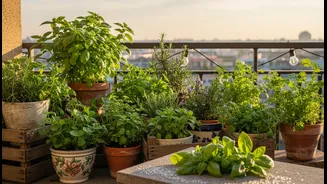
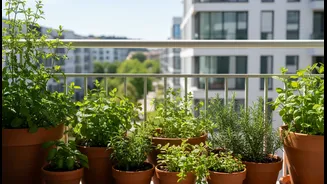
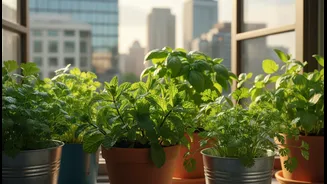
Before you start picturing a jungle on your balcony, let's focus on herbs. Why? They offer the biggest reward for the least effort. Many herbs are incredibly resilient, thrive in pots, and don't demand a huge amount of space. Most importantly, you get
to enjoy the literal fruits (or leaves) of your labour by snipping off fresh flavours for your cooking. Growing your own mint, basil, or coriander is not only cost-effective but also ensures you have a fresh, pesticide-free supply right at your doorstep. The satisfaction of making chutney with your own pudina is a joy every urban gardener deserves to experience.
Choose Plants That Love Your Weather
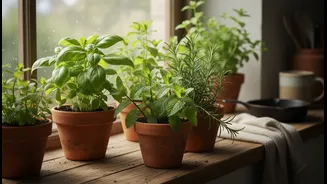
The single most important rule of balcony gardening is to work with your climate, not against it. Picking plants that are naturally suited to your local conditions is the secret to success. In most parts of India, this means choosing heat-tolerant varieties. For hot and sunny balconies, you can’t go wrong with Tulsi (Holy Basil), Mint (Pudina), Lemongrass, Curry Leaves (Kadi Patta), and Ajwain (Carom). These plants are hardy and accustomed to Indian summers. If your balcony is slightly cooler or gets some afternoon shade, you can try growing Coriander (Dhania) and even Rosemary, though they might need more care during peak heat. Understanding your sunlight is key; a few days of observation will tell you which spots get gentle morning sun versus harsh afternoon heat.
The 'No Shopping Spree' Starter Kit
The headline says it all: you do not need to spend a fortune. Look around your home for potential planters. Old plastic bottles, takeaway containers, cracked mugs, and empty paint buckets can all become homes for your plants—just make sure to drill drainage holes in the bottom. Good drainage is non-negotiable; without it, roots will rot. For soil, create a lightweight and nutritious mix. Instead of buying expensive potting soil, combine regular garden soil with cocopeat (which helps retain moisture during hot summers) and some homemade compost from your kitchen scraps. For seeds, your kitchen is a great starting point for things like mustard, fenugreek (methi), and coriander. For saplings, ask friends or neighbours for a cutting—mint, for example, grows very easily from a stem placed in water.
Sun, Water, and Care
Most herbs need at least 4-6 hours of sunlight to flourish. A south or west-facing balcony is often ideal, but even with less light, some herbs like mint can manage. Watering is where most beginners go wrong. The rule is simple: check the soil, don't just follow a schedule. Stick your finger an inch into the soil. If it feels dry, it's time to water. If it's damp, leave it alone. Overwatering is a more common plant-killer than underwatering. During peak summer, you may need to water in the early morning and again in the evening. During the monsoon, however, you must be extra careful. Even if it's raining, your pots might not get wet, but the high humidity means you should check the soil to prevent waterlogging.
Creative Ways to Use Your Space
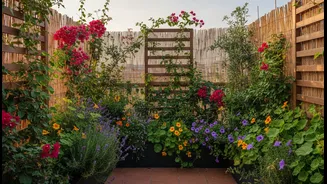
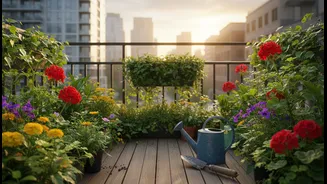
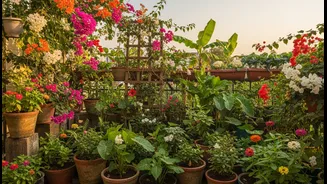
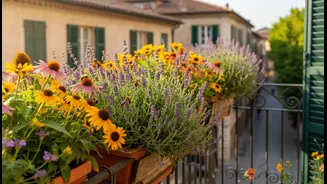
A small balcony doesn't mean a small garden. Think vertically. Using railings, walls, and vertical space is the smartest way to grow more without cluttering the floor. You can buy simple railing planters or make your own hanging pots. An old ladder can be painted and used as a multi-level plant stand. A shoe organiser hung on a wall can become an instant vertical garden for multiple small herbs. Even grouping pots of different sizes on a stool can create a visually appealing, layered look. The goal is to create a green corner that feels personal and alive, not like something from a store catalogue.