





What Is the 'Cooling Breath'?
Sheetali Pranayama gets its name from the Sanskrit word 'sheetal', which means 'cooling' or 'soothing'. It is a specific breathing exercise designed to reduce body heat and calm the nervous system. Unlike most pranayama practices that involve breathing through
the nose, Sheetali uniquely uses a rolled tongue to inhale, creating a noticeable cooling sensation as the air passes over the moisture in the mouth. This ancient technique is mentioned in traditional yogic texts like the Hatha Yoga Pradipika as a method to soothe the body and mind, control hunger and thirst, and even reduce fevers. The core purpose is to lower the body's temperature, which in turn has a positive effect on both the nervous and endocrine systems.
A Step-by-Step Guide to Practice
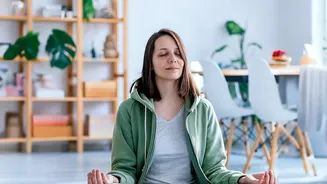
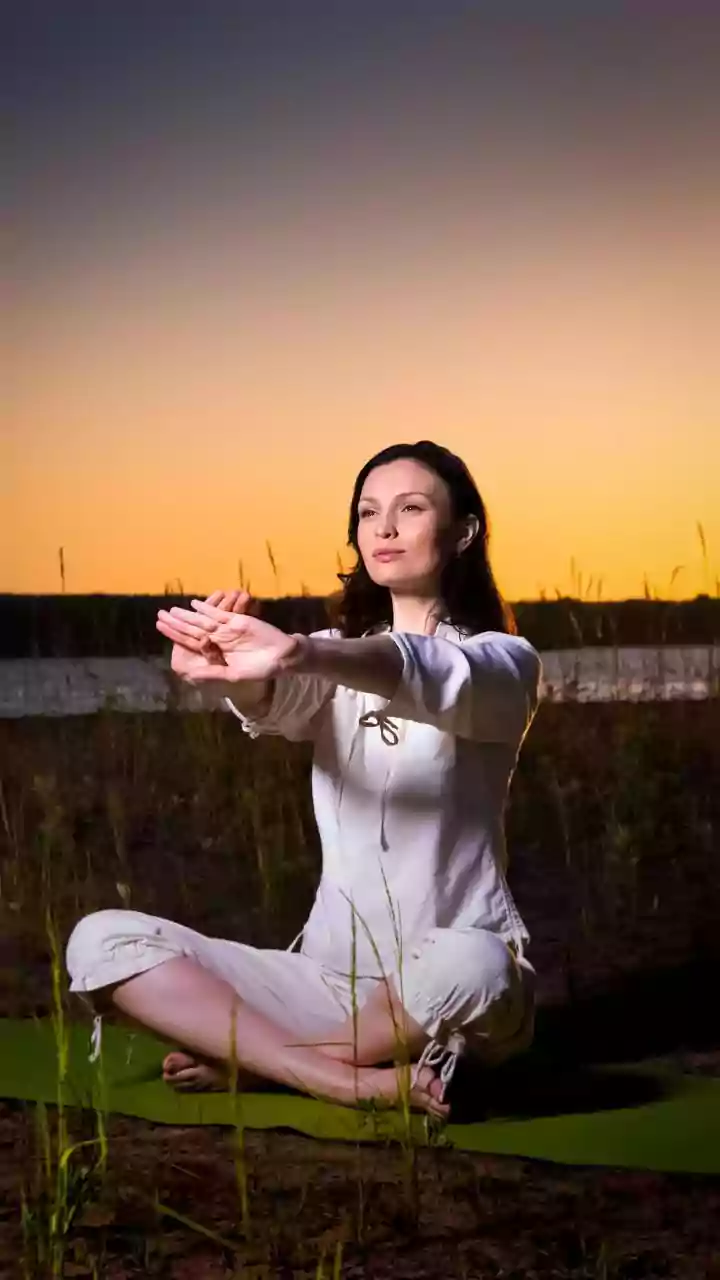
Finding a comfortable and quiet space is the first step. You can sit cross-legged on the floor, perhaps on a cushion, or on a chair with your feet flat and spine erect. Rest your hands on your knees and gently close your eyes. 1. Curl Your Tongue: Open your lips and stick your tongue out. Curl the sides of your tongue upward to form a narrow tube or a straw. For many people this is easy, but it is a genetic trait; if you cannot roll your tongue, an alternative called 'Sitkari Pranayama' (inhaling through your teeth) offers similar benefits. 2. Inhale Slowly: Inhale deeply and slowly through the tube formed by your tongue, as if you are sipping air through a straw. You should feel the cool air passing over your tongue and into your mouth. 3. Close and Exhale: After a full inhalation, retract your tongue, close your mouth, and exhale slowly through both nostrils. Beginners can start with a four-second inhale and a six-second exhale for about five minutes. The focus should be on a smooth, controlled rhythm.
How It Calms Emotional Stress
The power of Sheetali Pranayama in managing stress lies in its ability to influence the autonomic nervous system. Our bodies have a 'fight-or-flight' response (the sympathetic nervous system) and a 'rest-and-digest' response (the parasympathetic nervous system). Chronic stress keeps us in a state of high alert. The slow, deliberate practice of Sheetali helps activate the parasympathetic nervous system, which calms the body down. This conscious breathing interrupts the cycle of anxious thoughts and physical tension. By focusing on the cooling sensation and the rhythmic breath, you shift your mind away from stressors. Studies have shown that the practice can help reduce the secretion of stress hormones like cortisol, leading to lower anxiety, improved mood, and greater emotional stability.
Paving the Way for Restful Sleep
Many people struggle to sleep because their minds are racing or their bodies feel restless. Sheetali Pranayama can be a powerful addition to a bedtime routine. By calming the nervous system and reducing the anxiety that often causes insomnia, the practice prepares the body for rest. The cooling effect can also be beneficial, as a slight drop in core body temperature is a natural signal for the body to sleep. Regular practice helps regulate your natural sleep-wake cycle, known as the circadian rhythm. By lowering your heart rate, reducing blood pressure, and promoting muscular relaxation, this breathing exercise creates the ideal internal environment for falling into a deeper, more restorative sleep, allowing you to wake up feeling more refreshed.
Important Precautions and Best Practices
While Sheetali is beneficial for many, it is not suitable for everyone. Individuals with low blood pressure should be cautious, as the practice can lower it further. It is also not recommended for people with respiratory conditions like asthma, a cold, or a cough, as breathing through the mouth can be aggravating. It's best to avoid practicing in a very cold or polluted environment, since the air is not being filtered and warmed by the nasal passages. This pranayama should always be practiced on an empty stomach. As with any new wellness practice, it is wise to start slowly with just a few rounds and listen to your body's response. For those with specific health conditions, consulting a qualified yoga expert or doctor is advised before beginning.