






The Rise of the 'Cool-Cation'
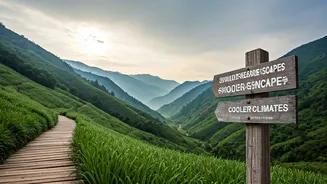
Forget sun-drenched beaches and sweltering cities. The new buzzword in travel is the 'cool-cation'—a trip planned specifically to escape soaring temperatures back home. This isn't just a niche idea; it's a rapidly growing trend reshaping summer travel patterns.
As record-breaking heat becomes a recurring headline, tourists are actively seeking destinations with more temperate climates. In fact, a recent survey from the European Travel Commission found that a significant number of travelers are adjusting their plans due to climate concerns, with many specifically looking for cooler destinations or avoiding regions prone to extreme heat. This marks a pivotal change from the traditional holiday model, driven by the simple desire for comfort and safety in the face of unprecedented weather events like the heatwaves and wildfires seen across Europe and North America in recent years.
From Sun-Seeking to Sun-Fleeing
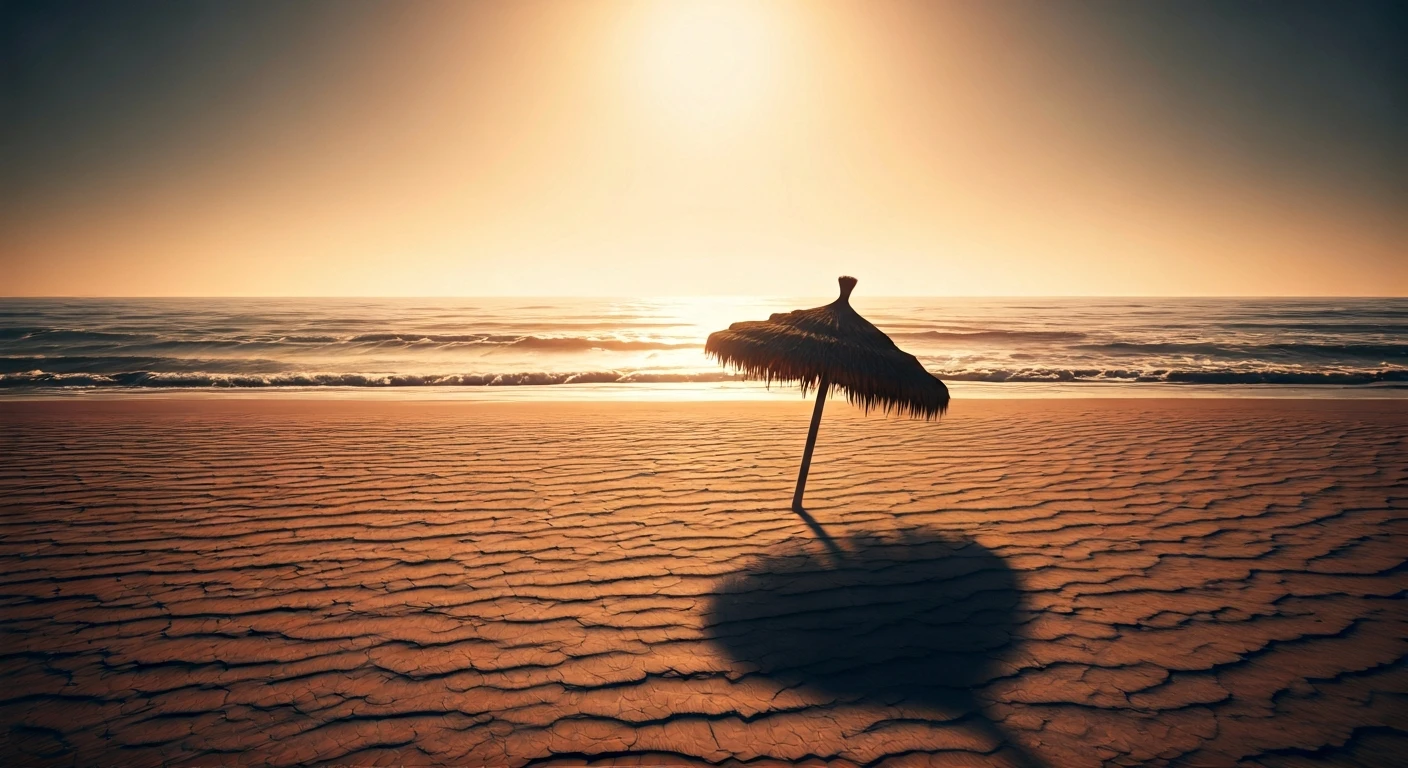
The classic travel narrative is being inverted. Instead of northern Europeans flocking south to Mediterranean beaches, many are now looking north for relief. Countries like Norway, Finland, Iceland, and Ireland are seeing a surge in interest. It's a logical response to a new reality. When Athens is forced to close the Acropolis due to 45°C heat and wildfires force mass evacuations from Greek islands, the appeal of a hot-weather holiday can quickly fade. Travel companies have taken note, with some halting tours in southern European countries like Spain and Portugal during the peak heat of July and August, citing health concerns. Instead, they are adding more departures in the cooler 'shoulder seasons' of spring and autumn, or promoting destinations where hiking and exploring can be done without the risk of heatstroke.
The New Hotspots Are Cool
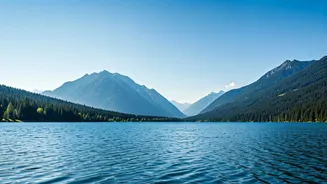
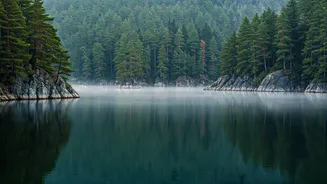
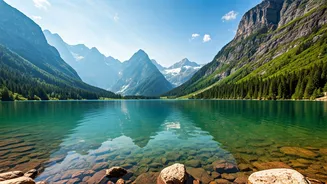
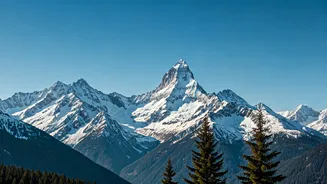
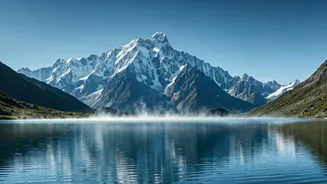
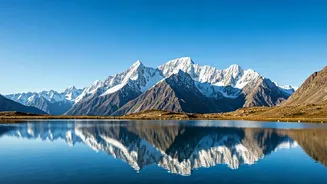
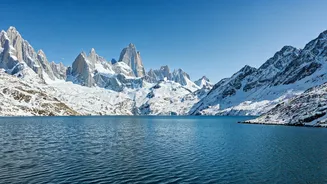
So where are these heat-averse travelers going? The answer lies in higher latitudes and altitudes. Scandinavia is a major beneficiary, with its fjords, forests, and milder summer temperatures drawing record numbers of visitors. Travel to the region is predicted to grow significantly in 2026. Other popular 'cool-cation' destinations include the Scottish Highlands, the Baltic states of Estonia, Latvia, and Lithuania, and even cooler parts of North America, such as Alaska, Canada, and the U.S. Pacific Northwest. These places offer not just pleasant weather but also stunning natural landscapes and outdoor activities that are more enjoyable without oppressive heat. Even within hot countries, microclimates are becoming attractions, like the breezy town of Tarifa in southern Spain, which stays degrees cooler than the scorching inland areas.
A Ripple Effect on the Industry
This shift has profound implications for the global tourism industry. Destinations that once relied on guaranteed summer sun now face an uncertain future, while cooler regions are grappling with newfound popularity and the challenges of 'overtourism.' The economic impact could be huge for tourism-reliant Mediterranean economies if the trend continues. Simultaneously, the travel industry itself is being forced to adapt. Airlines face operational challenges as extreme heat makes it harder for planes to take off, and tour operators must build more flexibility into itineraries to account for unpredictable weather. This is also accelerating a move toward more sustainable and responsible travel, as the very climate change that is driving this trend is partly caused by the emissions from the travel industry itself.
A Glimpse into the Future of Travel
The rise of the cool-cation is more than just a fleeting trend; it's likely a permanent redrawing of the global travel map. As climate change continues, weather will increasingly dictate not just what we do on holiday, but where we go in the first place. Some travelers are already adopting new habits, such as 'noctourism'—exploring destinations at night to avoid daytime heat. Others are discovering the benefits of shoulder-season travel, which offers milder weather and smaller crowds. While traditional hotspots won't be abandoned entirely, their peak seasons may shift permanently. The desire to escape, to explore, and to relax will always be a human constant. What's changing is our definition of the perfect weather to do it in.