



Embrace the Kebab Spectrum
When we think of kebabs, often the ubiquitous paneer or chicken tikka comes to mind. While delicious, they represent just a fraction of India’s vast kebab landscape. Each region has its own unique spin, shaped by local ingredients and culinary history.
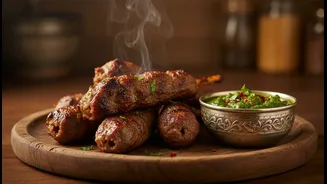
In Lucknow, you’ll find the legendary Galouti kebab, so tender it was created for a toothless Nawab and melts in your mouth. Hyderabadi cuisine offers the fiery and aromatic Shikampuri kebab, while Punjab champions the bold, smoky flavours of the tandoor with dishes like Tangdi kebab. Exploring these regional variations is the first step to elevating your home kebab game. It’s about understanding that a kebab isn’t just a method; it's a world of textures and tastes, from the finely minced and pan-fried to the robust and char-grilled.
The Vegetarian Kebab Revolution
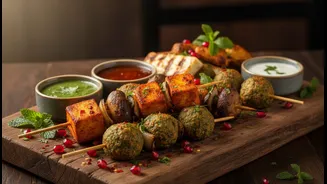
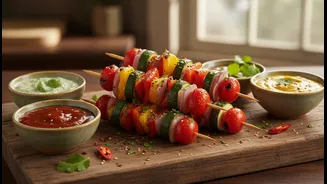
The notion that kebabs are a strictly non-vegetarian affair is long outdated. Indian cuisine has a rich tradition of vegetarian kebabs that are just as flavourful and satisfying. The Hara Bhara kebab, a vibrant patty of spinach, peas, and potatoes, is a classic for a reason. For something creamier, Dahi ke Kebabs, made from hung curd, are exquisitely soft. Veg Seekh kebabs, often made with a mix of finely chopped vegetables like carrots, beans, and cabbage bound with gram flour and spices, offer a fantastic texture and can be cooked on skewers just like their meaty counterparts. These aren't mere substitutes; they are stars in their own right, proving that flavour and craftsmanship are what truly define a great kebab.
Taming the Smoke at Home
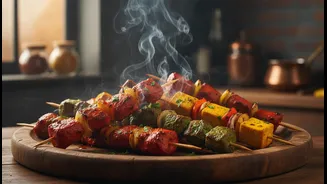
The biggest hurdle for many home cooks is replicating that signature smoky flavour without setting off fire alarms. While an outdoor grill or tandoor is ideal, it’s not the only way. For a smokeless approach, kebabs can be pan-fried on a griddle or cast-iron skillet, or even baked in a hot oven, which works well for both meat and vegetable versions. However, to get that authentic smoky essence indoors, turn to the traditional 'Dhungar' method. This simple technique involves placing your cooked kebabs in a pot, adding a small bowl in the center, and dropping a piece of red-hot charcoal into it. A spoonful of ghee poured over the coal releases an aromatic, dense smoke. Quickly cover the pot with a tight lid for a minute or two, allowing the smoke to infuse the kebabs with a beautifully rustic, tandoor-like aroma without filling your kitchen with smoke.
Planning the Perfect Kebab Party
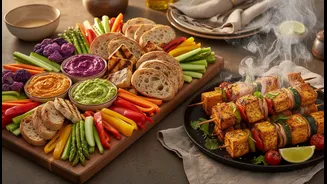
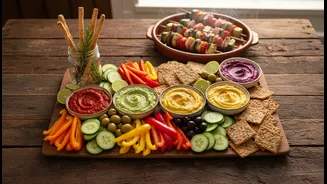
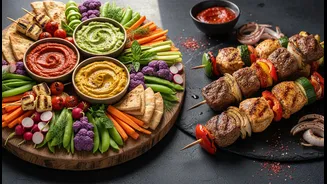
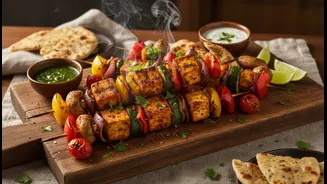
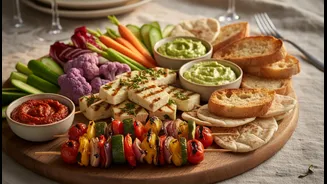
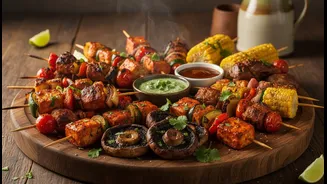
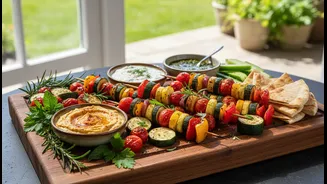
Kebabs are the ultimate party food—interactive, versatile, and delicious. To host a successful kebab party, think in terms of a platter or a build-your-own station. Offer a variety: perhaps a chicken malai tikka for those who like it mild, a spicy seekh kebab for the adventurous, and a veg option like paneer or hara bhara kebabs to ensure everyone is included. The key is preparation. Marinate your proteins and chop your vegetables ahead of time. Your accompaniments are just as important. A spread of fresh chutneys (mint-coriander is a must), cooling yogurt dips, and a crunchy onion and tomato salad adds layers of flavour and texture. Serve with soft naan, flaky parathas, or pita bread for wrapping. For a lighter meal, you can just serve the kebabs on skewers. Remember to soak wooden skewers in water for at least 30 minutes to prevent them from burning on the heat.