





Invest in the Right Armour
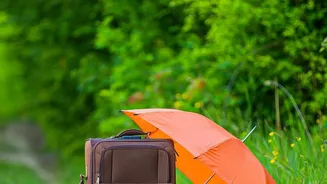
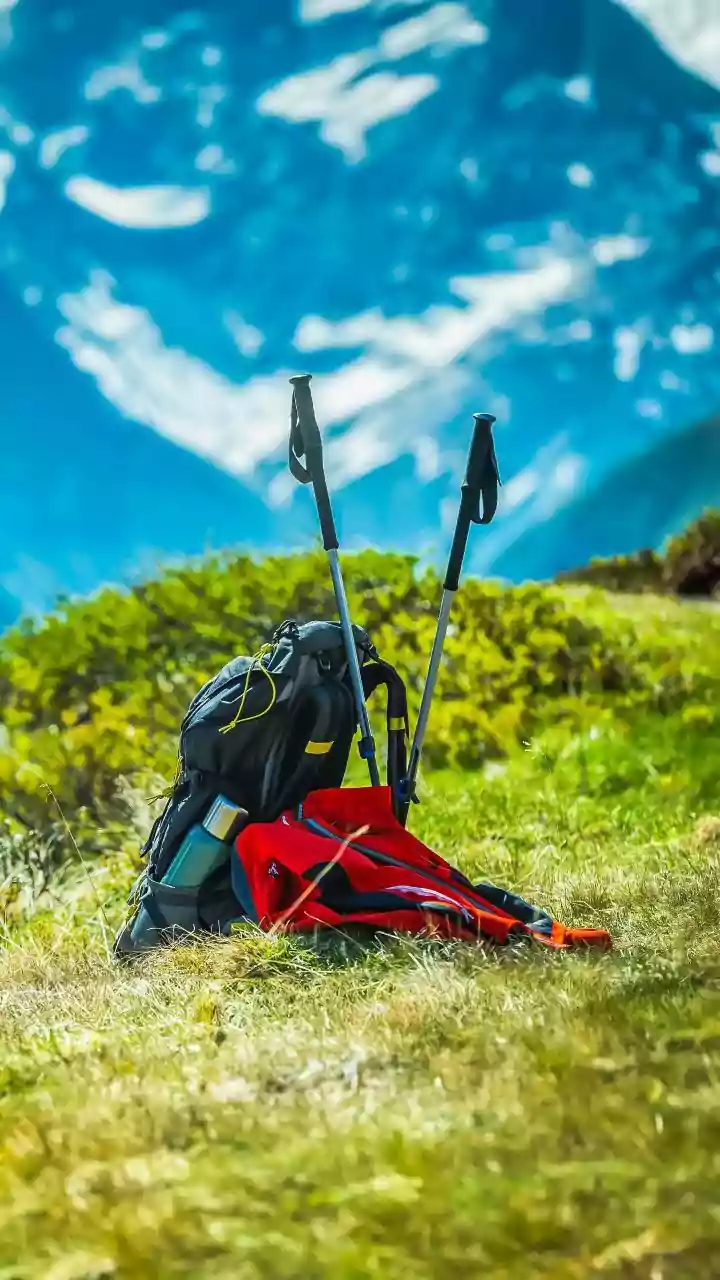
The first line of defence is a physical barrier. Investing in high-quality waterproof or water-resistant gear is non-negotiable for frequent travellers. Look for backpacks specifically marketed as water-resistant, often made from materials like coated
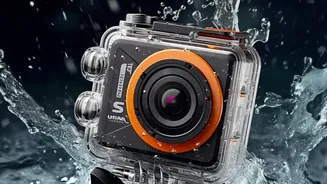
polyester or nylon. For maximum protection, especially for valuable items like a laptop or camera, consider a dedicated dry bag. These bags, popular with kayakers and trekkers, use a roll-top closure to create a watertight seal, ensuring the contents stay dry even if submerged briefly. For your phone, a simple waterproof pouch allows you to use the touchscreen while protecting it from rain and splashes. When buying gear, check for IP (Ingress Protection) ratings. An IP67 or IP68 rating on a phone case or pouch means it's built to withstand submersion.
Practice Smart Packing Habits
How you pack is just as important as what you pack with. Never assume your backpack alone is enough. A great low-cost strategy is to 'double bag' your electronics. Place your laptop, tablet, or camera inside a simple plastic bag before putting it into its designated sleeve or backpack compartment. Keep chargers, power banks, and cables separate from your main devices to contain any potential damage and prevent moisture from transferring. It is also wise to avoid packing all your electronics in one bag. If you are travelling with a companion, split the gear between two bags. This way, if one bag gets soaked, you will not lose everything in one go.
Harness the Power of Absorbents
Moisture is the enemy, not just direct rain. Humidity can creep into your bags and condense inside your devices, causing slow-burn damage. An easy and effective way to combat this is by using desiccants. Those little silica gel packets you find in new shoe boxes or with electronics are excellent at absorbing ambient moisture. Don't throw them away; instead, toss a few into your laptop bag or camera case. They will work quietly to keep the environment inside your bag dry. This is particularly crucial in tropical and coastal areas where humidity levels are high year-round. You can buy larger, reusable silica gel packs online for a more robust, long-term solution.
Be Mindful When You're on the Move
Your behaviour while out and about plays a huge role in keeping your gadgets safe. Avoid using your phone in heavy rain, even if it has a water-resistance rating. Those ratings are for clean water in lab conditions, not for rain mixed with dust that can work its way into seals. When a downpour starts, find shelter and put your devices away securely. When your laptop or tablet is in your bag, try not to place it on the floor, especially in public transport or cafes, where puddles can form unnoticed. Also be careful not to place your bag near an open window at home or in the office during the monsoon.
Emergency Action: What to Do if a Device Gets Wet
If the worst happens, acting quickly and correctly can save your device. First, and most importantly, turn the device off immediately. Do not try to check if it still works or plug it in to charge, as this can cause a short circuit on the wet motherboard. If possible, remove the battery, SIM card, and any memory cards to help it dry. Gently pat the exterior dry with a soft, lint-free cloth. Do not shake the phone vigorously, as this can push water deeper inside. And despite the popular myth, do not put your phone in a bag of uncooked rice. Rice is not an effective desiccant and can introduce dust and starch into the ports. Instead, place the device in an airtight container with silica gel packets for 24 to 48 hours to draw the moisture out safely.