






Understanding Your Gut Microbiome
Your gut is home to trillions of microorganisms, including bacteria, fungi, and viruses, collectively known as the gut microbiome. This internal ecosystem is crucial not just for digestion but also for your immune system, mental health, and even your risk
of chronic diseases. A healthy, balanced microbiome thrives on a diverse diet, but when this balance is disrupted by factors like stress or a diet high in processed foods, it can lead to issues like bloating, acidity, fatigue, and poor nutrient absorption. One of the key factors in maintaining a healthy gut is dietary fibre, which acts as fuel for your beneficial gut bacteria.
Why White Rice Falls Short
White rice is a staple in countless Indian households. It's comforting, versatile, and deeply ingrained in our culinary culture. However, the polishing process that gives white rice its familiar appearance strips away its outer layers—the bran and germ. This process removes almost all of its dietary fibre, along with many essential vitamins and minerals. What's left is primarily starch, which has a high glycemic index (GI), causing rapid spikes in blood sugar. With a fibre content as low as 0.2g per 100g, white rice offers very little to feed the beneficial bacteria in your gut, effectively starving the ecosystem you want to nourish.
Introducing Foxtail and Sorghum Millets
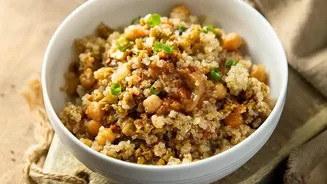
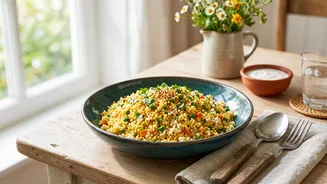
This is where ancient Indian grains like foxtail millet (kangni/thinai) and sorghum (jowar) come in. For centuries, before rice and wheat became dominant, these millets were dietary staples across the country. Foxtail millet is a small, nutrient-packed grain known for being rich in protein and low on the glycemic index. Sorghum, or jowar, is another powerhouse, naturally gluten-free and packed with essential minerals like iron, phosphorus, and potassium. Both are whole grains, meaning they retain their nutrient-rich outer layers, making them far superior to polished white rice in nutritional value.
How Millets Fuel a Healthy Gut
The primary advantage of these millets for gut health lies in their high fibre content. Foxtail millet contains around 8g of fibre per 100g, which is about 25 to 40 times more than white rice. This fibre, particularly the insoluble kind, acts as a prebiotic. Prebiotics are compounds that resist digestion in the small intestine and travel to the colon, where they become the preferred food for beneficial gut bacteria like Bifidobacteria and Lactobacillus. As these good bacteria feast on the fibre, they produce short-chain fatty acids (SCFAs), which help maintain the integrity of your gut lining, reduce inflammation, and support your immune system. Jowar is also rich in resistant starch and polyphenols, which further promote microbial diversity and suppress the growth of harmful bacteria.
More Than Just Digestion
The benefits of switching to foxtail millet and sorghum extend well beyond the gut. Their low glycemic index helps in managing blood sugar levels, preventing the energy spikes and crashes associated with high-GI foods like white rice. This makes them an excellent choice for individuals with diabetes or those looking to maintain stable energy throughout the day. Furthermore, the high fibre and protein content promote a feeling of fullness, which can aid in weight management by reducing overeating and unnecessary snacking. Millets are also packed with more essential micronutrients like iron, calcium, and magnesium compared to white rice, contributing to better overall health.
Practical Tips for Making the Switch
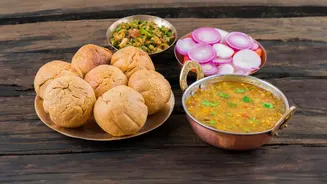
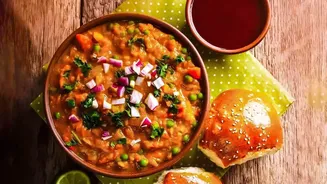
Incorporating these millets into your diet is easier than you might think. You don't have to replace rice completely overnight. Start by swapping one meal a day. You can cook foxtail millet just like rice—use it to make pulao, khichdi, or even a simple side dish. It has a mild, nutty flavour that pairs well with Indian curries. Jowar is most famously used to make rotis or bhakri, which can replace wheat chapatis. You can also find jowar flour to use in dosas or porridge. The key is to start slow, allow your digestive system to adapt to the increased fibre, and explore the versatility of these ancient grains.