





The Age of Protein
Remember when every food item, from biscuits to ice cream, suddenly came in a 'high-protein' version? For the better part of a decade, protein dominated the nutritional landscape. It was marketed as the ultimate tool for muscle building, weight loss,
and satiety. Gym-goers chugged protein shakes, wellness influencers preached about protein targets, and grocery aisles became a testament to our collective obsession. This focus wasn't entirely misplaced; protein is an essential macronutrient vital for repairing tissues and building muscle. However, this single-minded fixation often overshadowed other equally crucial components of a balanced diet, creating a nutritional narrative that was effective, but incomplete.
The Rise of Gut Health
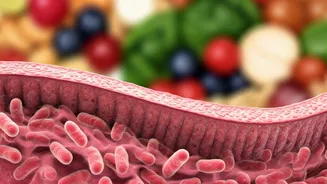
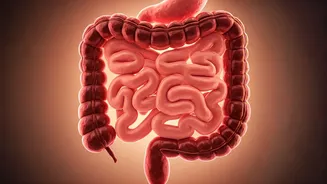
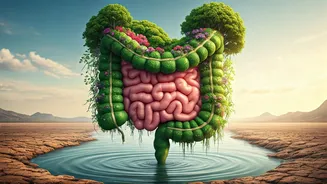
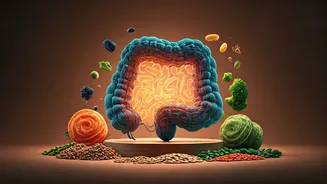
So, what changed? In a word: science. Specifically, the explosion of research into the gut microbiome. We've begun to understand that our gut is not just a digestive tube but a complex ecosystem teeming with trillions of bacteria, fungi, and other microbes. This 'microbiome' influences everything from our immune system and heart health to our mood and mental clarity. And what do these beneficial gut bacteria eat? Fibre. Soluble fibre, in particular, acts as a 'prebiotic,' fermenting in the colon and providing nourishment for the good microbes. This process produces short-chain fatty acids (SCFAs), which have powerful anti-inflammatory effects and are critical for overall health. The conversation shifted from simply 'feeding ourselves' to 'feeding our gut microbiome,' and fibre is the star player in that new game.
More Than Just Roughage
For generations, fibre was simply known as 'roughage,' the stuff that keeps you regular. While digestive health is a key benefit, its role is far more sophisticated. A high-fibre diet is linked to a lower risk of chronic diseases like type 2 diabetes, heart disease, and certain cancers. Soluble fibre helps lower cholesterol and stabilise blood sugar levels by slowing down the absorption of sugar. Insoluble fibre adds bulk, promoting satiety and aiding in weight management by making you feel fuller for longer. This broader understanding has repositioned fibre from a mundane digestive aid to a multi-functional nutrient essential for long-term, holistic health. It’s not just about preventing problems; it’s about actively promoting well-being from the inside out.
A Return to Our Roots
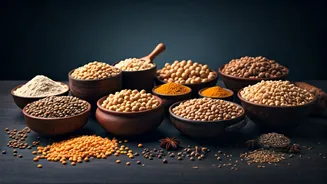
For many in India, this 'new' trend is actually a return to traditional wisdom. A classic Indian thali—with its dal, whole-grain rotis or rice, sabzi, and salad—is naturally rich in fibre. Our culinary heritage is built on legumes, millets (like jowar, bajra, ragi), vegetables, and whole spices, all excellent sources of dietary fibre. However, with the rise of urbanisation and the convenience of processed foods, many diets have shifted towards refined flours (maida), polished white rice, and sugary snacks, which are stripped of their natural fibre content. The renewed focus on fibre is an invitation to rediscover the nutritional powerhouse that is traditional Indian cuisine and appreciate the ingredients we've perhaps taken for granted.
Easy Ways to Boost Your Fibre
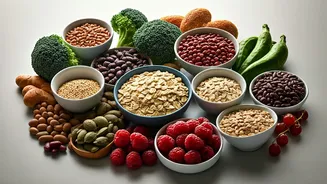
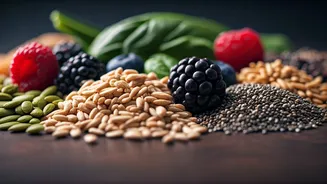
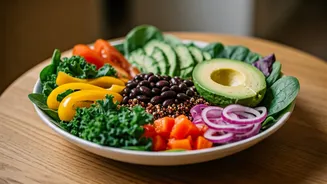
Increasing your fibre intake doesn't require a radical diet overhaul. It's about making small, consistent swaps. Start by choosing whole fruits over juices to get the benefit of the pulp. Swap white bread and rice for their whole-wheat or brown rice counterparts. Make friends with millets—they can be easily incorporated into rotis, dosas, or porridge. Add a spoonful of sabja (basil seeds) or flax seeds to your water, curd, or smoothies. Aim to fill half your plate with vegetables at lunch and dinner. And don’t forget the dals and legumes; they are a fantastic source of both fibre and protein, proving that you don’t have to choose between the two.