




1. Ignoring Weather Forecasts and Alerts
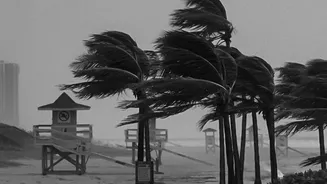
One of the biggest errors is treating the monsoon as a predictable, gentle season. Heavy rainfall can trigger flash floods and landslides, particularly in hilly or coastal regions. Before you travel, and each day during your trip, check official weather
forecasts and local advisories. Many areas prone to severe weather, like parts of Uttarakhand and Himachal Pradesh, often issue warnings and may close roads or attractions for safety. Paying attention to these alerts isn't about ruining the fun; it's about avoiding genuine danger and getting stranded.
2. Packing the Wrong Clothing and Footwear
When it comes to monsoon packing, cotton is not your friend. It absorbs moisture and takes a very long time to dry in the humid air, leaving you damp and uncomfortable. Instead, opt for lightweight, synthetic, quick-dry clothing. Just as important is your footwear. Flip-flops or sandals without a good grip are a recipe for disaster on slippery, muddy surfaces. Sturdy, waterproof shoes with slip-resistant soles are essential for staying safe and avoiding falls. And never forget a reliable raincoat or poncho and a compact umbrella.
3. Creating a Jam-Packed, Inflexible Itinerary
Monsoon travel demands flexibility. Delays and cancellations of flights, trains, and road journeys are common due to weather. A tightly packed schedule with no room for error is a setup for stress. The most frequent mistake travellers make is not building buffer days into their plans. If a road is blocked by a landslide or a ferry service is suspended, a rigid itinerary can completely fall apart. It's also wise to have refundable bookings where possible and consider travel insurance that covers weather-related disruptions.
4. Underestimating Health and Hygiene Risks
The monsoon season sees a spike in waterborne and mosquito-borne diseases like dengue, malaria, and cholera. A frequent mistake is being lax about food and water hygiene. Avoid street food that has been sitting out and only drink bottled or purified water, being wary of ice in drinks. Always carry a basic first-aid kit with essentials for fever, stomach issues, and minor injuries. Using a strong insect repellent, especially in the evenings, and wearing long-sleeved clothing can significantly reduce the risk of mosquito bites.
5. Choosing the Wrong Destination
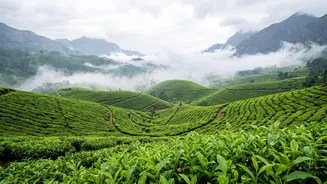
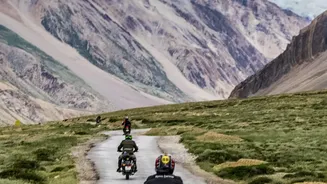
While many parts of India are beautiful during the monsoon, some are genuinely risky. Areas known for landslides, such as certain Himalayan regions, or places prone to severe flooding should be avoided. Research your destination thoroughly before booking. For example, the routes to Spiti Valley or pilgrimage sites like Kedarnath can become treacherous and are often subject to official warnings. Opt for destinations known to be safe and particularly scenic during the rains, like the Western Ghats or parts of Kerala, to enjoy the season without the peril.
6. Forgetting to Waterproof Your Essentials
A sudden downpour can ruin more than just your mood; it can destroy your expensive electronics and important documents. Failing to protect your valuables is a costly error. Use waterproof bags, dry pouches, or even simple zip-lock bags for your phone, camera, power bank, passport, and wallet. A waterproof cover for your backpack is also a great investment. Keeping your electronics and documents safe and dry means a small bit of water won't turn into a major disaster.
7. Relying Entirely on Road Travel
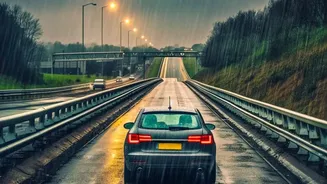
Road trips are a popular way to see the country, but during the monsoon, they come with added risks. Roads can be slippery, waterlogged, or completely blocked for days. Over-relying on a single road connection, especially in remote or mountainous areas, is a significant planning mistake. If you are driving, do so with extreme caution: slow down, maintain a safe distance from other vehicles, and never attempt to drive through deep, standing water. Where possible, consider alternative modes of transport and always have a backup plan. Hiring a local driver who knows the terrain and safe routes is also a wise decision.