





From Medical Necessity to Wellness Trend
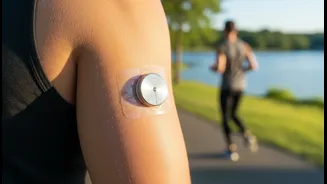
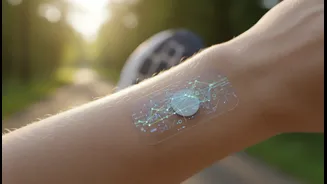
For years, continuous glucose monitors have been a lifeline for people with diabetes. These small, wearable sensors, typically attached to the arm or stomach, track glucose levels in real-time, providing crucial data to manage insulin and prevent dangerous
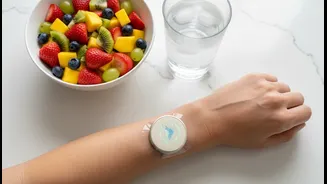
blood sugar highs and lows. But a significant shift is underway. A new generation of tech-savvy, health-conscious individuals without diabetes are now adopting CGMs as a tool for optimising their overall well-being. This trend is fueled by a growing interest in metabolic health—how efficiently our bodies convert food into energy—and the desire for data-driven insights into our diet, exercise, and stress levels.
How Does It Work?
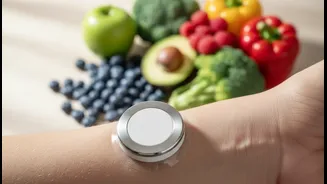
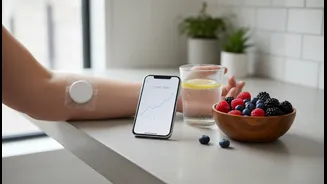
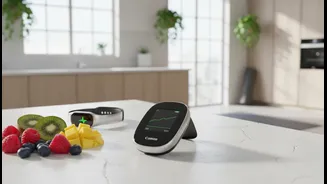
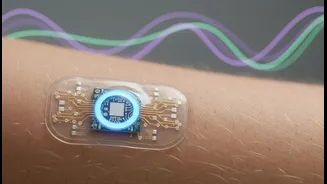
A CGM works by inserting a tiny, flexible filament just under the skin. This sensor measures the glucose in the interstitial fluid (the fluid between cells) every few minutes. This data is then wirelessly transmitted to a smartphone app, where users can see their glucose levels graphed out over the day. Companies in India and abroad, such as Ultrahuman, Sugarfit, and Ambrosia, are marketing these devices directly to consumers, often pairing them with AI-driven apps that offer personalized feedback on meals and lifestyle choices. Users can see exactly how a bowl of oats versus a plate of eggs affects their energy, or how a stressful meeting or a poor night's sleep can send their glucose levels on a rollercoaster.
The Promise of Peak Performance
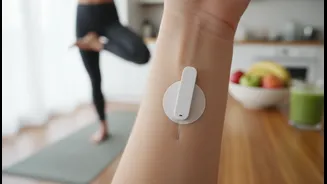
For non-diabetic users, the goal isn't to manage a disease but to fine-tune their health. Proponents claim that keeping glucose levels stable can lead to a host of benefits: sustained energy without afternoon slumps, reduced food cravings, improved athletic performance, better mood, and potentially a lower risk of developing metabolic conditions like type 2 diabetes down the line. By seeing the immediate impact of a particular food or activity, users feel empowered to make healthier choices. For many, it turns nutrition into a personalised experiment, helping them understand that a food one person tolerates well might cause a significant glucose spike in another.
A Word of Caution from Experts
Despite the enthusiasm, many medical experts urge caution. For one, there is currently no consensus on what an 'optimal' glucose range is for a healthy person without diabetes. Normal glucose fluctuations after meals are expected, and fixating on minor spikes could lead to unnecessary food fear or dietary restrictions. There are also concerns about the accuracy of some devices, which can sometimes overestimate blood sugar levels compared to traditional finger-prick tests, potentially causing unwarranted alarm. Furthermore, experts worry that without professional guidance, users might misinterpret the data, leading to health anxiety or even disordered eating patterns. The cost can also be a significant barrier, as these devices are not typically covered by insurance for wellness purposes.
The Future of Personalised Health
The move of CGMs into the mainstream wellness market is part of a larger trend toward hyper-personalised, technology-driven health. Wearable technology is providing us with unprecedented access to our own biometric data, from heart rate variability to sleep patterns. While CGMs offer a fascinating window into our bodies, they are just one piece of the metabolic puzzle. Experts agree that they are most powerful when used as a tool to foster greater awareness, rather than as a rigid report card on your health. As the technology becomes more affordable and accessible, its integration with other health data could offer a truly holistic view of our well-being, but the emphasis will remain on making sustainable lifestyle changes.