







What is NIN's AI Nutrition Project?
The National Institute of Nutrition (NIN), a premier public health and research institution, is developing an AI-powered search engine and chatbot to help Indians make more informed food choices. The primary focus is on the ever-growing market of packaged
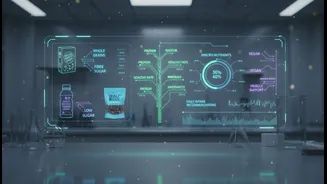
foods. The platform aims to provide detailed nutritional information on thousands of products available across the country. Users will be able to search for a specific product or brand and instantly get a breakdown of its nutritional profile, flagging key aspects to help them understand what they are consuming. To build the massive database required, NIN has signed a Memorandum of Understanding with the Hyderabad-based company behind 'TruthIn', a mobile app that already contains data on over 75,000 food products.
Why India Needs a Digital Nutritionist
This initiative comes at a critical time for public health in India. The country faces what experts call a "double burden" of malnutrition: persistent undernutrition on one hand, and a rapid increase in obesity and lifestyle-related diseases on the other. The rising consumption of pre-packaged and processed foods is a major contributor to the growing rates of non-communicable diseases (NCDs) like diabetes, hypertension, and cardiovascular disorders. Many consumers struggle to understand confusing food labels, which often use technical terms or INS numbers for ingredients. An accessible, AI-driven tool could demystify this information, providing clear, simple guidance that empowers people to choose healthier options.
How the AI Bot is Expected to Work
While full details are still emerging, the platform is expected to function as a one-stop source for food information. By searching for a product, users will get an analysis of its components. The system will likely leverage the technology from its partner app, TruthIn, which allows users to scan a barcode or search for a product to see its nutritional content, ingredient safety, and level of processing explained in simple language. An NIN scientist stated that the platform will be based on product labels and regulatory requirements applicable in India, ensuring the information is locally relevant and accurate. This could also help in the future implementation of new regulations, such as front-of-pack nutrition labelling (FOPNL).
The Promise of Personalized Public Health
The potential impact extends far beyond individual choices. The database will become an invaluable resource for researchers, policymakers, and the food industry itself. It will enable the analysis of nutritional trends across different food categories, support studies on the dietary patterns of Indians, and generate scientific evidence for future nutrition policies. For food manufacturers, the platform could assist in product reformulation by allowing them to compare nutritional profiles and identify opportunities to create healthier products. Ultimately, it represents a shift towards democratising nutritional knowledge, making expert-level information that was once hard to access available to anyone with a smartphone.
Hurdles on the Horizon
Despite the immense potential, significant challenges remain. The digital divide is a major concern; a tool reliant on smartphones and internet access may not reach the most vulnerable populations in rural or low-income areas. Ensuring the accuracy and comprehensiveness of the database across India's incredibly diverse food market is a monumental task. Furthermore, issues of data privacy and the potential for algorithmic bias must be carefully managed to build and maintain public trust. While AI can be a powerful assistant, it cannot replace the nuanced guidance of a human healthcare professional, especially for individuals with complex medical conditions. The success of NIN's bot will depend not just on its technology, but on its ability to be inclusive, reliable, and ethically governed.