

Verify Road and Route Status Daily
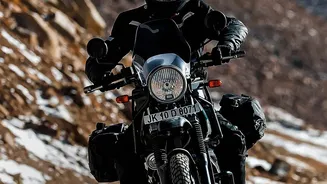
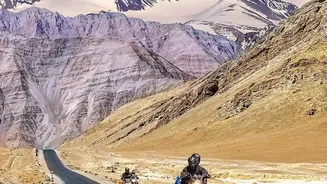
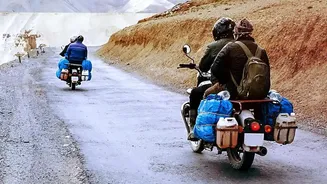
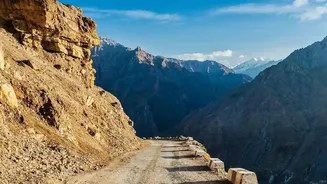
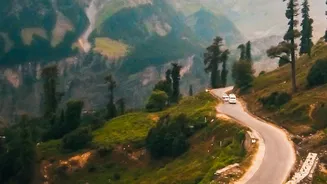
The single most critical factor for a post-monsoon trip is the condition of the roads. Monsoon rains saturate the soil, making the geologically young and fragile Himalayas extremely prone to landslides even after the rain stops. Major highways like the Manali-Leh
route and circuits through Spiti and Kinnaur can have sections that are damaged, under repair, or subject to sudden closures. Before and during your trip, it is crucial to check for daily updates from official sources like the Border Roads Organisation (BRO) and local district administration websites. Do not rely on information that is a few weeks old; conditions can change overnight. Always build buffer days into your itinerary to account for unexpected delays or detours.
Monitor the Weather Window Closely
October and November are transitional months. While the early post-monsoon period boasts stable weather and clear skies, this window can be unpredictable. Western disturbances can bring sudden rain or early snowfall, especially in higher altitudes. Temperatures drop significantly, particularly at night, and the risk of black ice on roads increases as November progresses. Monitor forecasts from the India Meteorological Department (IMD) for the specific regions you plan to visit. Remember that high passes like Rohtang may close for travellers as early as November, so plan your route accordingly and be prepared for cold weather.
Check Local Advisories and Permit Requirements
In the wake of a heavy monsoon, local authorities may restrict travel to certain high-risk areas to ensure public safety. These advisories can affect entire valleys or specific trekking routes. Similarly, ensure you have all the necessary travel permits, such as the Inner Line Permit (ILP) for restricted areas or national park entry fees. Travel agencies and local tourism offices are good resources for the latest information on which areas are open and what documentation is required. Always comply with official directives, as they are in place to prevent accidents in vulnerable zones.
Confirm Accommodation and Guide Availability
While post-monsoon is often considered a shoulder season, it is also a popular time for trekkers and sightseers, leading to high demand for good guides and porters. It is wise to book them in advance. Furthermore, some hotels and guesthouses in remote areas may close for the winter starting in November or may have been damaged during the monsoon. It's inconsiderate to bargain aggressively for 'off-season' prices, as running a homestay in the cold is expensive for locals. Always call ahead to confirm that your intended accommodation is operational and accessible.
Prioritise Health and Acclimatisation
Health preparedness is twofold. First, the post-monsoon period can see a rise in water-borne diseases and other infections due to contaminated water sources. Always drink bottled, boiled, or purified water, and be cautious with raw foods like salads. Carry a basic medical kit with hand sanitiser and any necessary medications. Second, altitude sickness remains a serious risk. Plan your itinerary with gradual ascents and include acclimatisation days, especially if you are going above 3,000 metres. Listen to your body and descend if you experience symptoms of acute mountain sickness.