
Space: The Ultimate Aging Laboratory
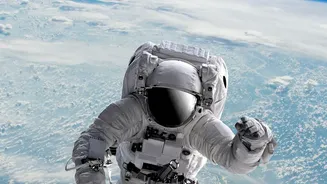
The human body is perfectly adapted to life with Earth's gravity. Take that gravity away, and things start to change dramatically. In the microgravity environment of space, astronauts' bodies experience physiological shifts that are strikingly similar
to the aging process, but happen much faster. This includes loss of bone density, muscle wasting, shifts in cardiovascular function, and a compromised immune system. While these changes pose significant challenges for astronauts, they present an unparalleled opportunity for scientists. By studying these accelerated symptoms, researchers can gain a deeper understanding of age-related conditions that affect millions of people on our planet.
Fighting Brittle Bones From Orbit
One of the most well-documented effects of spaceflight is a rapid loss of bone mineral density. Astronauts can lose 1% to 1.5% of their bone mass per month in space—a rate far exceeding that of osteoporosis, a condition that makes bones weak and brittle on Earth. This occurs because, without the constant stress of gravity, the body's bone-rebuilding processes slow down. Research into countermeasures for astronauts, including specific exercise regimens and nutritional strategies, is directly informing the prevention and treatment of osteoporosis. Scientists are investigating how bones remodel in microgravity, which could lead to new therapies to help keep bones strong for both astronauts on long-duration missions and the elderly population on Earth.
Muscle Atrophy: A Shared Struggle
Just like bones, muscles begin to weaken without the resistance provided by gravity. Astronauts can lose up to 20% of their muscle mass on missions lasting just a few weeks if they don't follow a rigorous exercise routine. This condition, known as atrophy, is similar to sarcopenia, the age-related loss of muscle mass and strength that reduces mobility in older adults. Understanding the molecular changes that cause muscles to waste away in space helps scientists identify targets for new drugs and therapies. Technologies developed to help astronauts exercise in space, like resistance machines that work without weights, have also inspired rehabilitation tools for patients recovering from injury or surgery on Earth.
A New Perspective on Heart Health
The cardiovascular system also undergoes significant adaptation in space. Without gravity pulling blood down into the legs, fluids shift upwards towards the head, giving astronauts a puffy face. The heart doesn't have to work as hard to pump blood, and over time it can slightly decrease in size and strength. Studying these changes helps researchers understand how the cardiovascular system adapts to different stresses. This knowledge is valuable for treating a range of conditions on Earth, from blood pressure regulation issues to heart failure. Telemetric health monitoring systems, which relay an astronaut's vital signs to Earth in real-time, were pioneers for the remote patient monitoring now used in intensive care units and consumer fitness trackers.
From Space Spinoffs to Earthly Cures
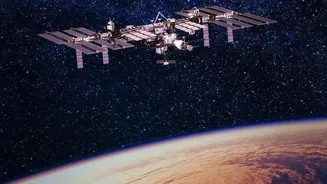
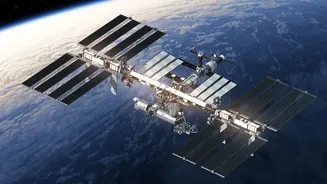
Beyond studying the body itself, space missions have spurred the development of countless medical technologies. Research into cancer and Alzheimer's disease has benefited from experiments in microgravity, where cell structures can be studied in ways not possible on Earth. For example, a device developed for the International Space Station to study protein formations linked to Alzheimer's is now aiding research on the ground. Similarly, experiments on how to protect astronauts from space radiation are providing insights for cancer therapies. Technologies like portable ultrasound machines, advanced water purification systems, and even robotic surgery techniques have roots in the quest to keep humans healthy far from home.