

Meet Pushpak, India's Reusable Space Plane
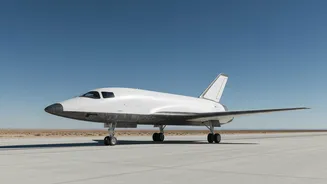
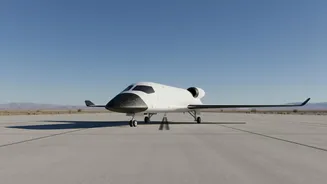
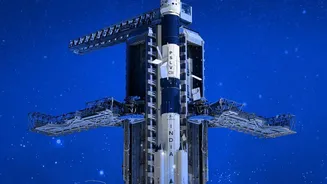
The Indian Space Research Organisation (ISRO) is developing a groundbreaking piece of technology called the Reusable Launch Vehicle, or RLV. Nicknamed 'Pushpak' after the mythological flying palace, it’s essentially a winged space plane designed to be
used for multiple missions. This effort is part of a series of technology demonstration missions (RLV-TD) aimed at mastering the complex systems needed for a fully reusable launch system. Unlike traditional rockets that are discarded after a single use, the goal with Pushpak is to create a vehicle whose most expensive parts can fly to space, return to Earth, and be prepared for another launch, much like an airplane.
The Art of the Autonomous Landing
Recent successful tests, known as the Landing Experiment (LEX) series, have been a major focus. In these experiments, conducted at the Aeronautical Test Range in Karnataka, a prototype of Pushpak was lifted to an altitude of 4.5 kilometres by an Indian Air Force Chinook helicopter and then released. From there, the vehicle had to navigate its own way to a runway and perform a perfect, high-speed landing completely on its own. The vehicle lands at over 320 km/h, faster than a commercial jet, and uses a brake parachute and landing gear brakes to stop. These tests successfully demonstrated Pushpak's ability to handle challenging conditions, correcting its course in real-time to achieve a precise horizontal landing.
How Reusability Slashes Launch Costs
The single biggest reason this technology is so crucial is cost. In a conventional rocket launch, the most expensive components—the powerful engines and complex structures of the booster stages—are used just once before being discarded. This is like building a new car for every single trip you take. Reusable rockets change this equation entirely. By recovering and reusing the main stages of the launch vehicle, ISRO can drastically reduce the manufacturing cost per mission. The aim is to lower the cost of launching a payload into orbit from around $20,000 per kilogram to a fraction of that, making space more accessible for everything from communication satellites to scientific research.
The Global Race and India's Unique Approach
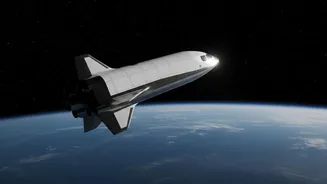
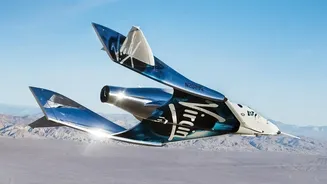
ISRO is not alone in the pursuit of reusability. Companies like SpaceX have already proven the concept with their Falcon 9 rockets, which perform vertical landings on drone ships. However, ISRO is taking a different approach with a winged vehicle that lands horizontally on a runway, similar to NASA's retired Space Shuttle or the US military's X-37B. This method requires mastering different but equally complex technologies, such as autonomous flight control, hypersonic re-entry, and precise runway landings. The successful LEX tests prove that India is developing a world-class capability in this area, positioning it as a key player in the future of the global space industry.
What's Next for the RLV Program?
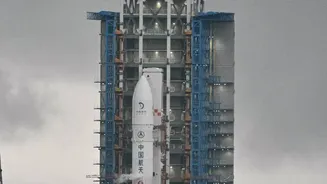
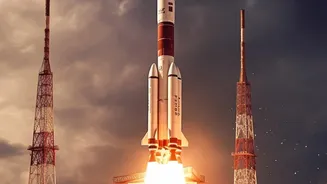
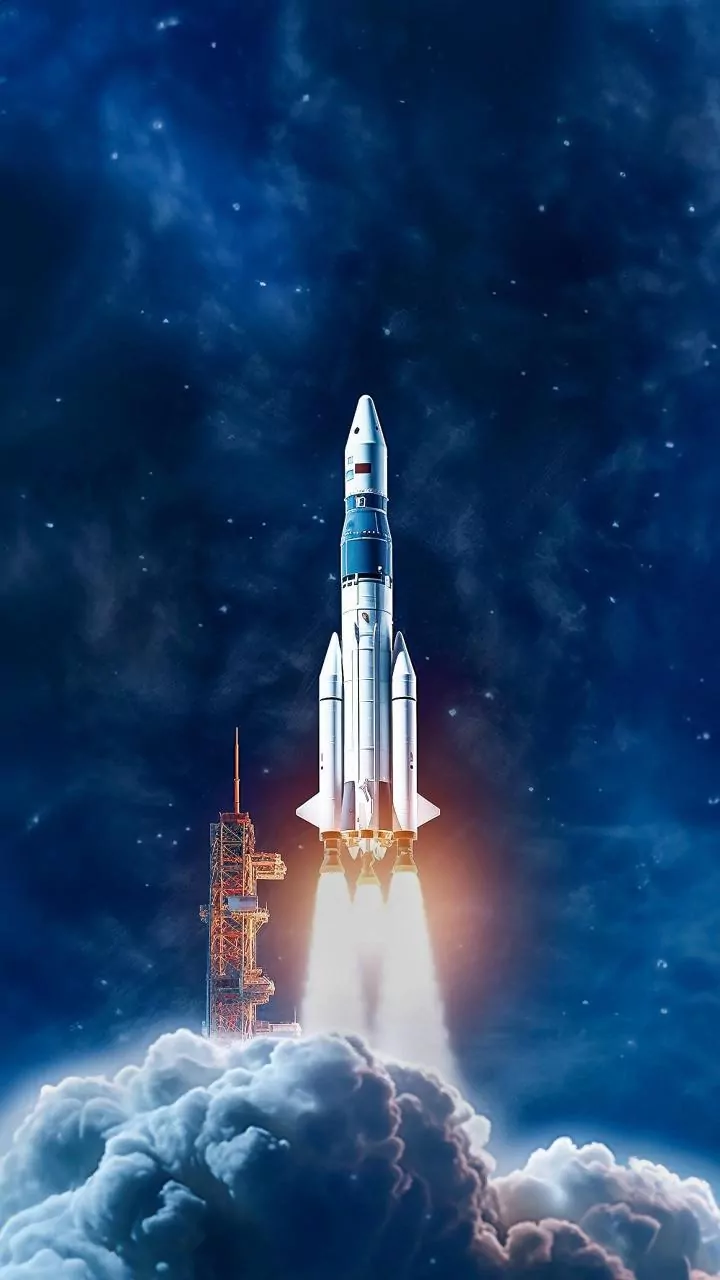
With the landing experiments now complete, ISRO is setting its sights on the next frontier: orbital re-entry. The plan involves launching a scaled-up version of the Pushpak vehicle into orbit using a modified GSLV rocket. After spending time in space, the vehicle will have to autonomously de-orbit, survive the intense heat of re-entering the atmosphere, and then perform another perfect runway landing. This phase, known as the Orbital Re-entry Experiment (OREX), will be the ultimate test of the vehicle's design and systems. While a fully operational two-stage-to-orbit (TSTO) reusable launcher is still estimated to be several years away, each successful test brings that goal closer to reality.