




The Sheer Scale of the Surge
The festival travel rush in India is more than just crowded trains and busy airports; it's a cultural phenomenon. During major festivals like Diwali, Dussehra, Holi, and Ganesh Chaturthi, there is a mass exodus from metropolitan hubs like Delhi, Mumbai,
and Bengaluru towards smaller towns and villages. This annual migration is driven by the deep-seated tradition of celebrating with family. The demand for tickets on trains, buses, and flights skyrockets, often leading to waitlists within minutes of bookings opening. Managing this predictable, yet enormous, wave of humanity requires a coordinated strategy involving every mode of transport, where the goal is not just to move people, but to do so safely and efficiently amidst overwhelming numbers.
The Railway Lifeline: A Calculated Response
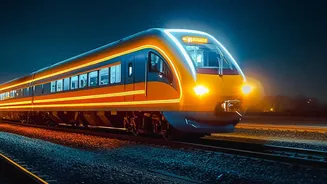
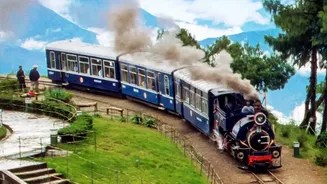
Indian Railways, the backbone of national travel, bears the brunt of this festive demand. Their planning starts months in advance, centered around the Advance Reservation Period (ARP), which allows booking up to 60 or 120 days ahead. To cope with the surge, Railways announces hundreds of 'Special Trains' on high-demand routes. This isn't a simple case of adding more trains; it involves complex logistical calculations, including rake availability, crew scheduling, and maintenance slots. At major stations, crowd management is a critical focus, with measures like holding areas for unreserved passengers, controlled platform access, and constant CCTV monitoring to prevent dangerous overcrowding. These strategies are designed to regulate the flow of passengers and ensure that the system, though strained, does not break.
In the Air: Managing Fares and Capacity
The aviation sector faces a dual challenge during festivals: meeting soaring demand while keeping fares from spiraling out of control. While airfares in India are deregulated, the Directorate General of Civil Aviation (DGCA) maintains rigorous oversight during these peak periods. The DGCA proactively asks airlines to augment their capacity. In response, major carriers like IndiGo, Air India, and SpiceJet schedule hundreds of additional flights across the country's busiest sectors. This collaboration helps absorb some of the demand that railways cannot meet. However, surge pricing is still a reality, with fares on popular routes often jumping significantly compared to non-festive times. The goal of the regulator is to balance the airlines' operational realities with the public's need for accessible travel options.
On the Road: The Unsung Bus Network
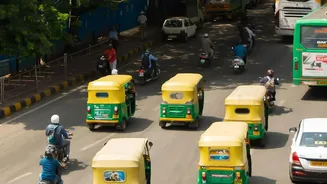
State Road Transport Corporations (SRTCs) across the country play a vital, often unsung, role. Corporations in states like Karnataka, Telangana, Maharashtra, and Bihar deploy thousands of special bus services to connect cities with remote towns and villages. These services are crucial for last-mile connectivity and provide an affordable alternative to trains and planes. For instance, KSRTC in Karnataka often runs over 1,500 extra buses for a single festival, while TSRTC in Telangana might operate over 7,000. Many of these corporations now offer online booking, allowing passengers to reserve seats in advance and avoid the scramble at crowded bus terminals. Some even coordinate with colleges to arrange direct pickups for students heading home.
The Technology Backbone
Underpinning this entire logistical feat is a robust technological framework. Platforms like IRCTC for trains and various online travel agencies (OTAs) for flights and buses have revolutionised how people book tickets. AI-powered tools are increasingly used for demand forecasting, helping transport bodies predict rush patterns with greater accuracy. On the user end, features like saving passenger details in a 'Master List' on IRCTC can save crucial seconds during high-traffic booking windows. Furthermore, digital payment systems like UPI have streamlined transactions, making the booking process faster and more accessible. This digital ecosystem is essential for managing the immense volume of bookings and providing real-time information to millions of travellers simultaneously.