






The Billion-Dollar Boom
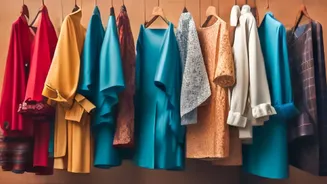
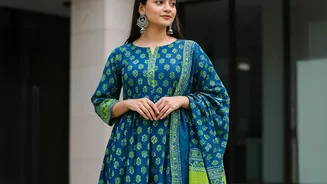
India's appetite for fashion is growing at an explosive rate. The overall textile and apparel market, valued at nearly USD 250 billion in 2025, is projected to surge past USD 650 billion by 2034. Fueling this is the fast fashion segment, which offers
trendy, affordable clothing at a dizzying pace. This sector alone is expected to grow from around USD 10 billion to USD 50 billion by 2031. This growth is driven by rising disposable incomes, a young, fashion-conscious population, and the increasing influence of Western trends, especially among urban youth and in Tier-2 and Tier-3 cities.
From Window Shopping to One-Click Buying
The digital revolution has put the world’s trends at our fingertips. E-commerce giants and direct-to-consumer (D2C) brands have made it easier than ever to buy clothes anytime, anywhere. With over 850 million internet users in India, platforms like Myntra and Ajio, fueled by social media influencers and targeted ads, create a constant sense of novelty and urgency. Flash sales, personalized recommendations, and the promise of next-day delivery encourage impulsive buys, turning shopping from a planned activity into a frequent, almost casual, habit. This convenience has fundamentally changed consumer behaviour, with many purchases driven by momentary desire rather than genuine need.
The Psychology of More
Why do we keep buying clothes we barely wear? The answer lies partly in psychology. For many, shopping is an emotional act—a reward, a confidence booster, or a way to cope with boredom or insecurity. Fast fashion taps directly into these impulses. The low prices reduce the feeling of financial risk, while the constant stream of new arrivals creates a fear of missing out. Clothing becomes a tool to shape and express our identity, but when that identity is tied to fleeting trends, the satisfaction is equally brief. This cycle of buying, wearing once or twice, and discarding has replaced the traditional Indian ethos of repairing and reusing garments, normalizing a culture of disposability.
The Hidden Cost of a Full Closet
This overconsumption comes at a steep price. One study suggests the average urban Indian consumer wears only 35% of their wardrobe regularly. The remaining 65% represents not just wasted money but a significant environmental burden. India generates approximately 7.8 million tons of textile waste annually. A staggering 85% of this waste ends up in landfills, where it decomposes and releases methane, a potent greenhouse gas. Furthermore, the production of these clothes is resource-intensive; it takes thousands of litres of water to make a single cotton shirt, and chemical dyes often pollute local water sources. The very system that provides a momentary high from a new purchase is contributing to a long-term environmental crisis.
A Slow Shift in Thinking?
Amidst this frenzy of consumption, a counter-movement is quietly gaining ground. There's a growing awareness of sustainability, with some consumers beginning to question the true cost of their bargain buys. The conversation is shifting towards mindful purchasing, valuing quality over quantity, and embracing circular fashion concepts like thrifting and recycling. While the allure of fast fashion remains powerful, the increasing interest in ethical production and timeless style suggests a desire to build a more meaningful and lasting relationship with the clothes we own, moving from a full closet to a fulfilled one.