

The Rise of the Resourceful Kitchen
The movement towards zero-waste cooking is driven by a blend of practicality and principle. With rising grocery costs, families are looking for ways to make their food budgets stretch further. Using every part of an ingredient is a direct way to save
money. Simultaneously, there's a growing awareness of the environmental impact of food waste. When food ends up in landfills, it produces methane, a potent greenhouse gas. Reducing waste at home is a tangible way for individuals to combat climate change. Beyond the economic and ecological benefits, many home cooks are discovering the sheer joy and creativity involved. It challenges them to think beyond conventional recipes and invent new ways to use familiar ingredients, turning kitchen scraps into an opportunity for innovation.
Beyond the Bin: Giving Vegetable Peels a Second Life
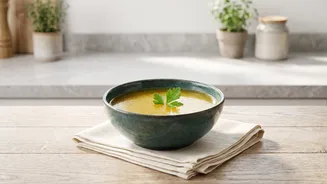
Think of vegetable peels not as waste, but as a bonus ingredient. Potato, carrot, and parsnip peels can be turned into a crunchy snack. Simply toss them in a little oil and salt, then bake in a hot oven for about twenty minutes until crisp. Onion and garlic skins, along with carrot ends and celery leaves, are perfect for making a flavourful vegetable broth. Just collect the scraps in a bag in the freezer until you have enough to simmer in a pot of water. Even tougher skins, like those from butternut squash, can be finely chopped and added to chutneys. For a nutrient boost, some peels can be dehydrated and ground into a powder to add to soups, smoothies, or homemade seasonings.
From Stalks to Sauces: Putting Herb Stems to Work
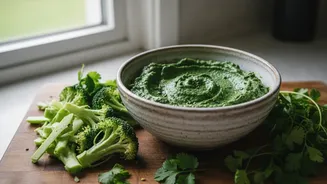
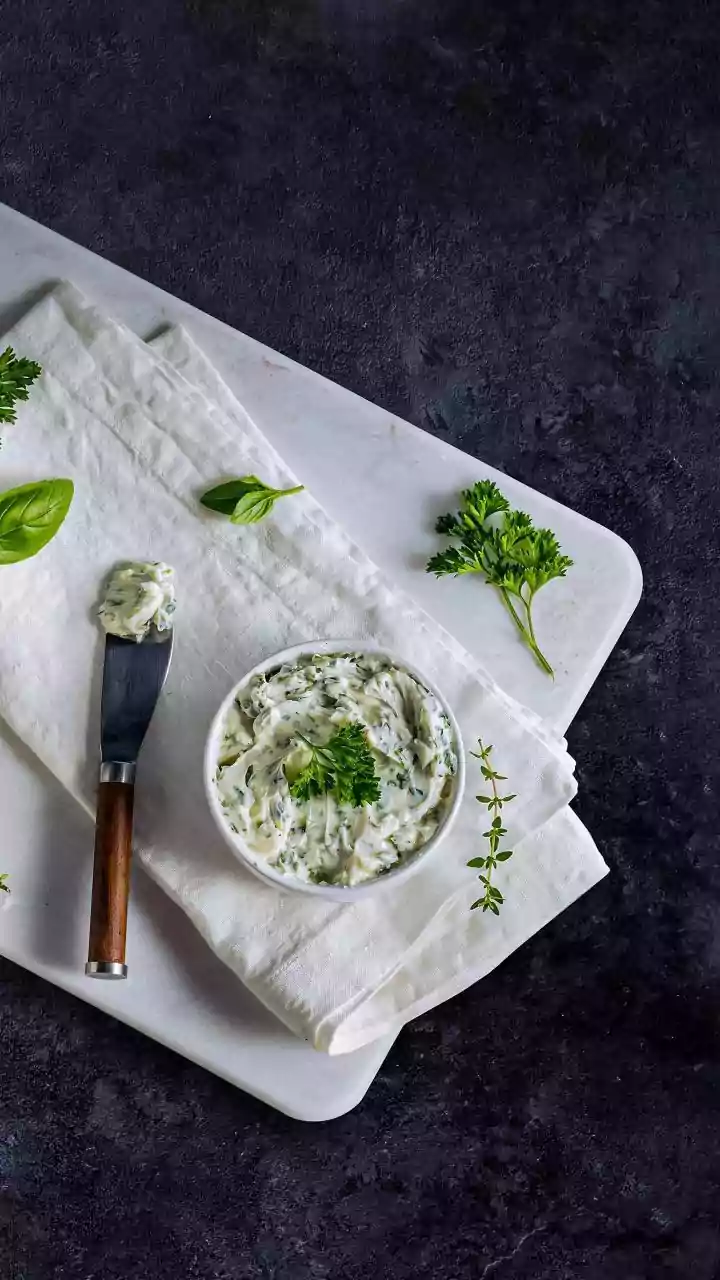
Tender herb stems from plants like coriander, parsley, and dill are packed with just as much flavour as the leaves. Finely chop them and add them directly to salads, sauces, and marinades. For tougher, woodier stems from rosemary or thyme, use them to infuse oils or vinegars. Gently warm some oil in a saucepan, add the stems, and let them steep to extract their aromatic essence before straining. These infused oils are perfect for salad dressings or as a finishing drizzle over roasted vegetables. You can also tie a bundle of herb stems with kitchen twine and drop it into soups or stocks for an extra layer of flavour, removing the bundle before serving.
No Slice Left Behind: Reviving Stale Bread
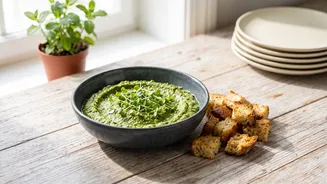
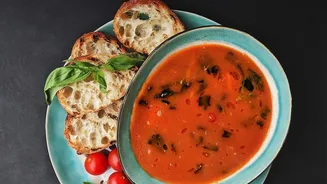
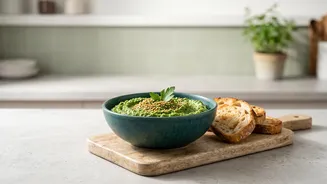
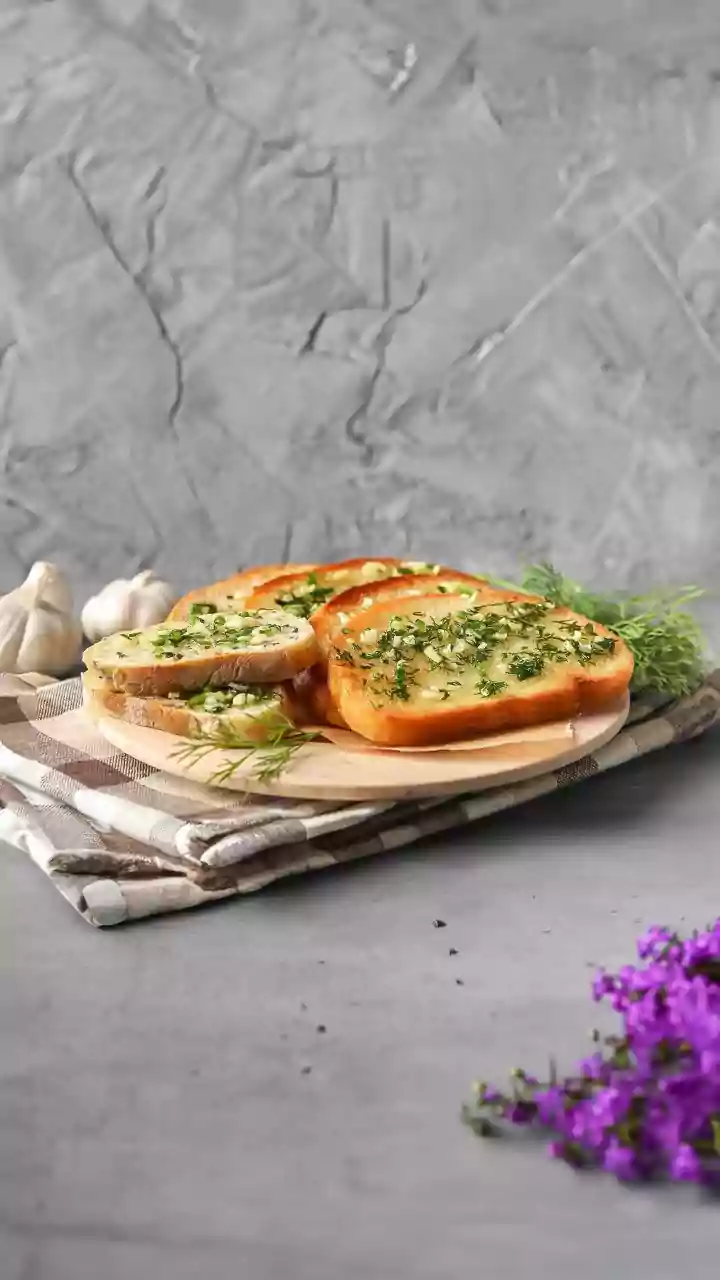
Stale bread is incredibly versatile. One of the simplest uses is to make homemade croutons or breadcrumbs. Tear the bread into pieces, toss with oil and seasonings, and bake until golden. For breadcrumbs, pulse the dry bread in a food processor. Stale bread is also the ideal base for dishes that require soaking up liquid, like French toast or a classic bread pudding, because its dry texture allows it to absorb the egg mixture more effectively. A rustic Panzanella salad, which combines chunks of stale bread with fresh tomatoes, onions, and a vinaigrette, is another delicious way to give an old loaf a new purpose.
Getting Started on Your Zero-Waste Journey
Adopting a zero-waste approach doesn't have to be overwhelming. Start small. Begin by planning your meals for the week to avoid overbuying groceries. Designate a container or bag in your freezer for vegetable scraps destined for stock. Before you throw something away, pause and ask if it could have another use. Could that lemon rind be zested and frozen? Could those apple peels be simmered with sugar and water to make a simple syrup for drinks? The key is to shift your mindset from seeing these items as 'scraps' to seeing them as ingredients in their own right. This approach not only reduces waste but also fosters a more mindful and resourceful connection to the food you eat.