



The Swiss Standard of Perfection
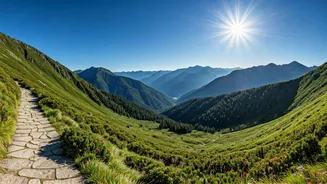
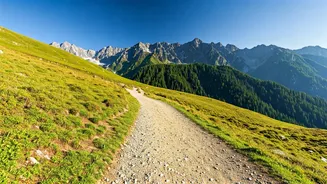
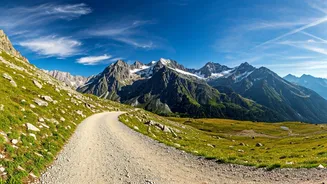
Let’s be clear: Switzerland offers a masterclass in mountain hiking. Its trails are impeccably maintained, signposted with near-perfect precision, and supported by a network of charming mountain huts and seamless cable car access. From the shadow of the Matterhorn
to the green valleys of Grindelwald, the Swiss Alps deliver postcard-perfect scenery with clockwork efficiency. For many, this is the pinnacle of outdoor adventure—a comfortable, predictable, and stunningly beautiful experience. It’s a well-oiled machine for delivering alpine wonder. But what if you’re seeking something less predictable? Something wilder, deeper, and infinitely more personal?
A Journey Woven with Spirituality
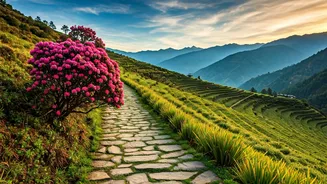
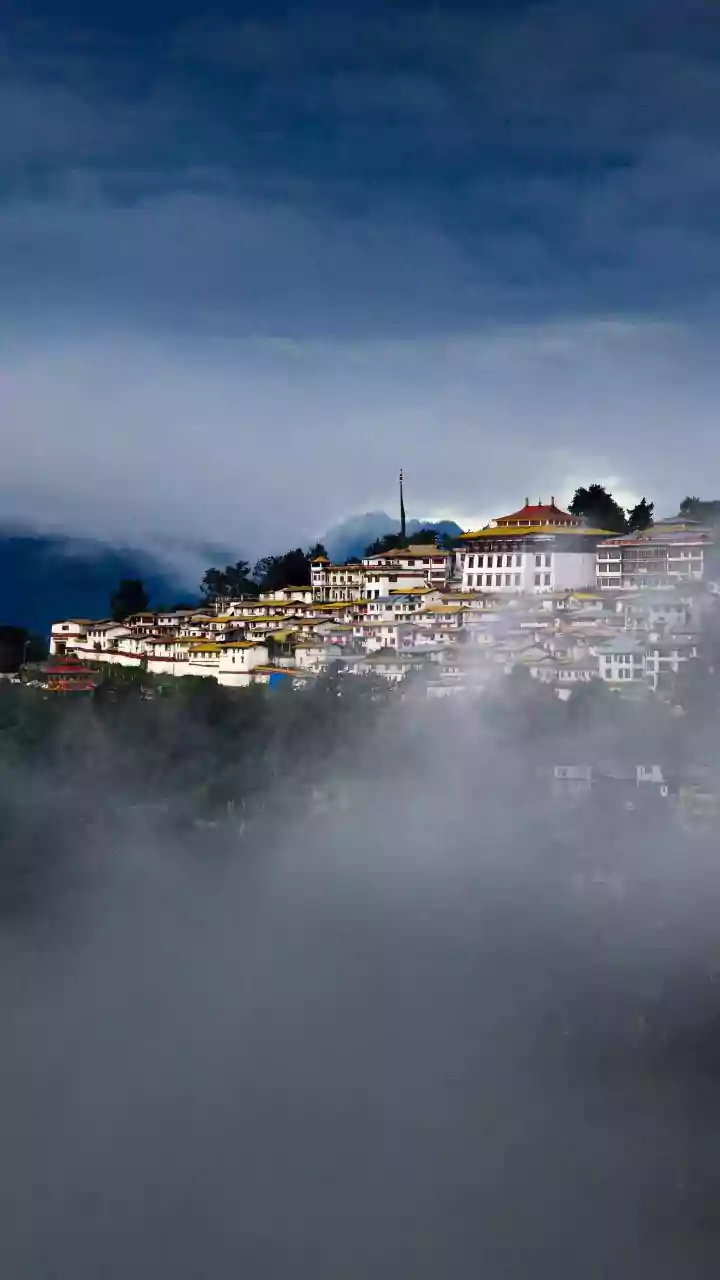
This is where Bhutan enters the conversation. A trek in Bhutan is never just a walk. It is a pilgrimage. The trails are not merely paths from A to B; they are ancient arteries connecting remote dzongs (fortress monasteries), sacred temples, and humble villages. As you climb through rhododendron forests and over high mountain passes, you are walking in the footsteps of monks, traders, and messengers from centuries past. The landscape is punctuated not by trail markers, but by fluttering prayer flags sending blessings into the wind. The silence is profound, broken only by the chime of a temple bell or the call of a takin, Bhutan's national animal. Unlike the athletic pursuit hiking can be in the West, here it is a meditative act—a chance to connect with nature on a spiritual level.
The Philosophy of Pristine Wilderness
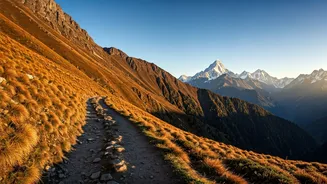
Bhutan consciously protects this unique atmosphere through its 'High Value, Low Volume' tourism policy. The mandatory Sustainable Development Fee (SDF) paid by visitors might seem steep, but it is a direct investment in the country's future. The funds support free healthcare and education for its citizens, protect its forests (Bhutan is carbon negative), and ensure the trails you walk remain uncrowded and pristine. This isn't about exclusivity for its own sake; it’s a commitment to preventing the over-tourism that has plagued other beautiful destinations. The result for a trekker is unparalleled solitude. You won’t be waiting in line for a photo opportunity or jostling for space on a narrow ridge. You’ll have vast Himalayan vistas largely to yourself.
Legendary Trails Reawakened
For centuries, the Trans Bhutan Trail was the only way to traverse the country. After falling into disuse, this 403-kilometre legendary path has been meticulously restored and reopened. Walking even a section of it is to walk through the living history of a nation. It connects hundreds of historic and cultural sites, offering an immersive experience that is simply unavailable elsewhere. For those seeking a shorter but equally dramatic experience, the Druk Path Trek is a classic. This five-day hike connects the cities of Paro and Thimphu, crossing a chain of mountains and passing crystal-clear alpine lakes and towering monasteries like Phajoding. Then there is the formidable Jomolhari Trek, which brings you to the base of the sacred Mount Jomolhari, Bhutan’s “bride of Kangchenjunga.”
Solitude Over Socialising
A day on a popular Swiss trail often involves sharing the path with dozens, if not hundreds, of fellow hikers. The evenings are spent in bustling, communal mountain huts. It’s a social, shared experience. In Bhutan, your companions are your guide, a small support team, and the immense, quiet landscape. The experience is intimate and introspective. You are not a tourist passing through; you are a guest, welcomed into a protected world. This focus on mindful travel creates a completely different kind of holiday—one that prioritizes peace, personal reflection, and a genuine connection to the place and its people over simply ticking off a famous peak.