





Your Ticket to Paradise: The Visa Policy
The biggest gateway for Indian tourists has been Thailand's friendly visa policy. As of late 2026, the rules have been updated. The previous special 60-day visa exemption has been revised, but India remains on the list of countries eligible for visa-free
entry. Under the new regulations, which take effect from September 15, 2026, Indian passport holders can enter Thailand for tourism and stay for up to 30 days without a visa. This policy removes a significant layer of paperwork and cost, making spontaneous and budget trips much easier to plan. This 30-day window is more than enough for the 6-day island itinerary this budget covers. However, it's crucial to always check the latest official announcements from the Royal Thai Embassy or Consulate before booking your travel, as policies can be updated.
The ₹30,000 Challenge: A Realistic Budget
Achieving a six-day trip under ₹30,000 is challenging but not impossible. It requires discipline and prioritising experiences over luxury. The biggest expense is typically the flight. Booking several months in advance, travelling during the off-season (like July or September), and flying from cities like Kolkata or Chennai can land you round-trip fares in the ₹12,000-₹18,000 range. This will consume more than half your budget. For the remaining ₹12,000-₹18,000 (roughly ₹2,000-₹3,000 per day), your focus must be on budget options. Accommodation in hostel dorms can range from ₹400-₹700 per night. Food is another area to save; delicious and authentic street food meals can cost as little as ₹100-₹200. Local transport and activities will need to be managed carefully from the remaining funds.
A Sample 6-Day Island Itinerary
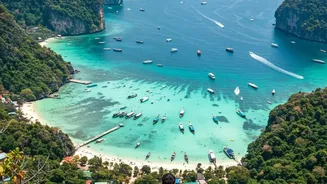
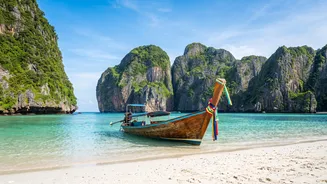
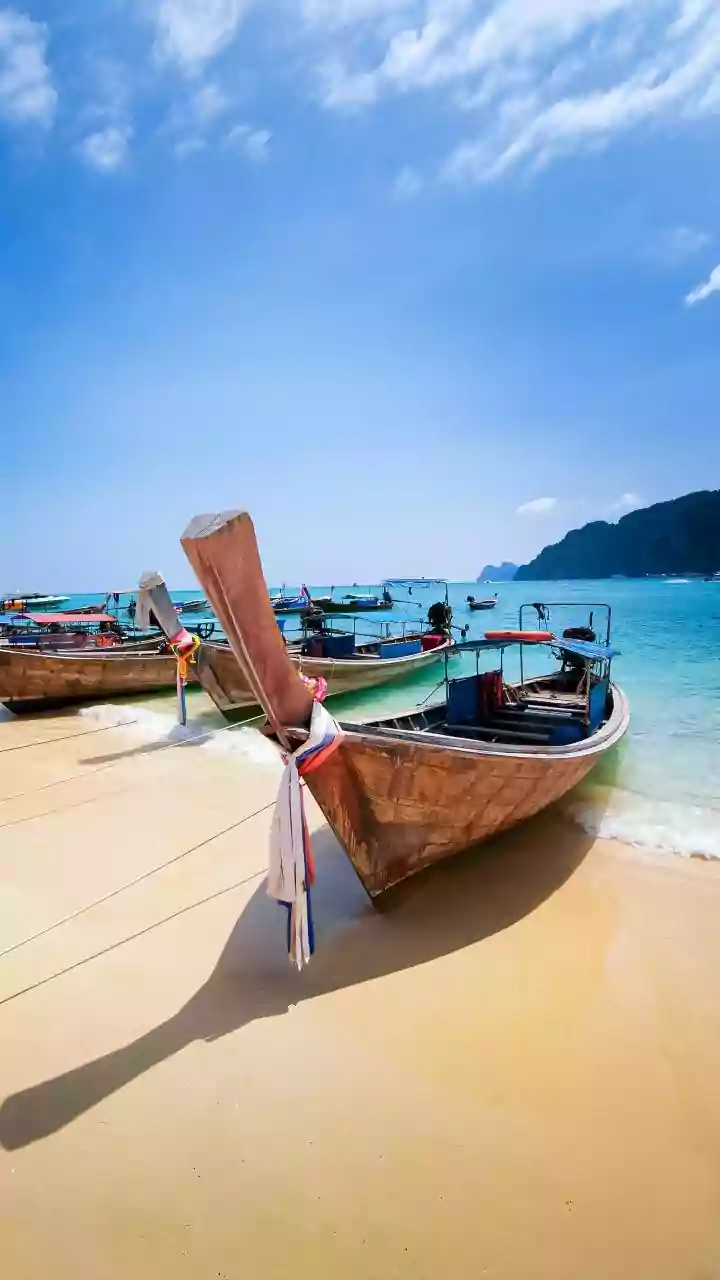
To make the most of your budget, focus on one region to minimise travel costs. The Krabi and Phuket area is ideal for island hopping. Day 1-3: Krabi. Fly into Krabi, check into a hostel in Ao Nang. Spend your days exploring nearby beaches like Railay Beach (accessible by long-tail boat) and enjoying the local food scene. You can book a '4 Island Tour' by longtail boat, which is a budget-friendly way to see popular spots like Poda Island and Chicken Island for a fraction of the cost of private tours. Day 4-6: Phuket. Take a ferry from Krabi to Phuket (approx. ₹700-₹1000). Stay in a budget-friendly area like Phuket Town, which is cheaper than the main beach resorts. Explore the historic Old Town, visit the Big Buddha for panoramic views (entry is free), and spend your last day relaxing on a public beach. A day trip to the famous Phi Phi Islands is a must-do, with many shared speedboat tours available. Fly out of Phuket.
Money-Saving Hacks for the Savvy Traveller
To stick to your budget, every rupee counts. Embrace street food; it's not only cheap but also some of the best food you'll have in Thailand. Use public transport like 'songthaews' (shared pick-up trucks) instead of private tuk-tuks or taxis. For island hopping, always opt for shared group tours instead of private charters. Many operators offer similar packages, so compare prices at local travel agent stalls. Renting a scooter (around ₹300/day) can be cost-effective for exploring an island, but only if you are an experienced and licensed rider. Travel during the shoulder or monsoon seasons (May-October) when flights and hotels can be up to 50% cheaper. Finally, limit paid attractions and focus on the natural beauty, which is often free—beaches, viewpoints, and wandering through local markets cost nothing but your time.
Essential Pre-Travel Preparations
Before you go, ensure your passport is valid for at least six months from your date of entry. While the visa is exempt, Thai immigration authorities may ask for proof of onward travel (your return flight ticket) and sufficient funds for your stay. Exchanging a small amount of Indian Rupees for Thai Baht before you leave is advisable for immediate expenses upon arrival, like a taxi or a meal. For connectivity, purchasing a local SIM card at the airport is easy and affordable. Look for providers like AIS, DTAC, or TrueMove. Pack light, focusing on breathable clothing, swimwear, a good pair of walking sandals, sunscreen, and a reusable water bottle to save money and reduce plastic waste. Lastly, always get travel insurance for any international trip to cover unforeseen medical emergencies or travel disruptions.