


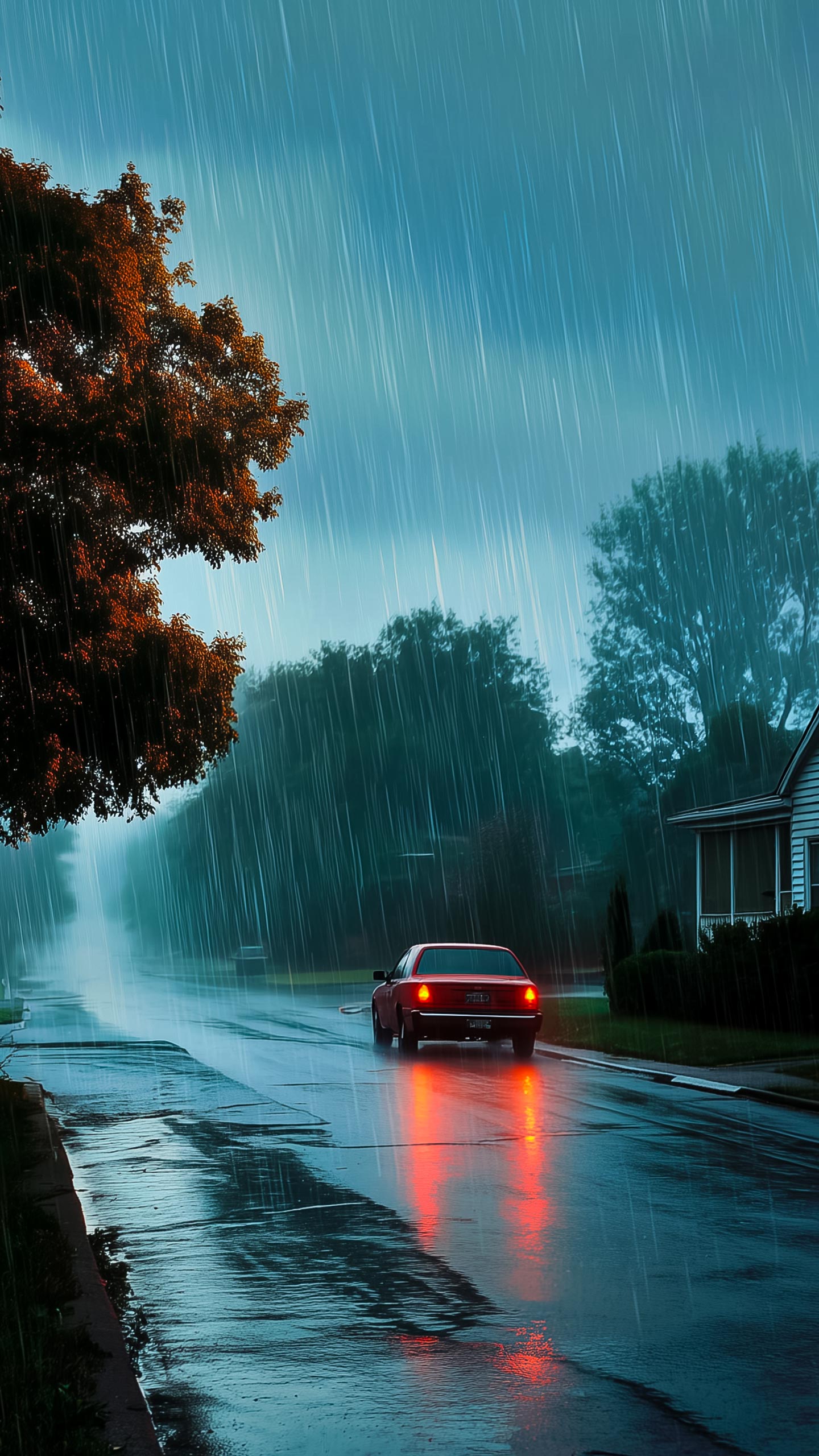


A Grand, Drenching Entrance
After a delayed start to June, the monsoon announced its arrival not with a polite knock, but by kicking the door down. Following a few pre-monsoon showers, the official onset was declared around June 23. But the real drama unfolded in the final days
of the month. Intense overnight showers on June 29 drenched the suburbs, with areas like Mulund and Versova recording over 150 mm of rain in just four hours. This was the city's welcome mat for the season: a sudden, heavy, and unapologetic downpour that brought sweet relief from the heat while serving notice of the chaos to come. The India Meteorological Department (IMD) promptly issued alerts, escalating to an orange alert for Mumbai for July 1, forecasting heavy to very heavy rainfall.
The Usual Suspects: Waterlogging and Traffic
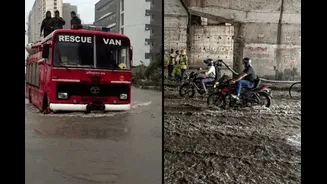
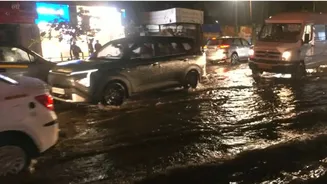
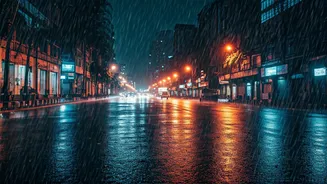
Like a recurring plotline in a long-running series, the first heavy rains brought out the usual suspects. Waterlogging was reported in multiple low-lying areas, turning streets into temporary canals. The Andheri subway, a notorious flooding spot, was submerged and closed to traffic multiple times. Commuters on Monday, June 29, faced a gruelling start to their week as key arterial roads like LBS Marg were clogged, slowing morning traffic to a crawl. The deluge on Tuesday, June 30, and early Wednesday, July 1, continued the trend, with disruptions reported from the business hub of Bandra-Kurla Complex (BKC) and incidents of falling trees blocking roads in Andheri, adding to the commuter distress. Local train services, the city's lifeline, have so far been running, but with the caution that comes from years of experience with monsoon disruptions.
A City's Love-Hate Relationship
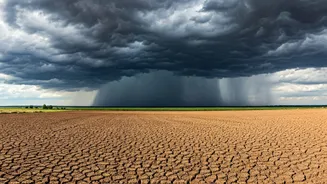
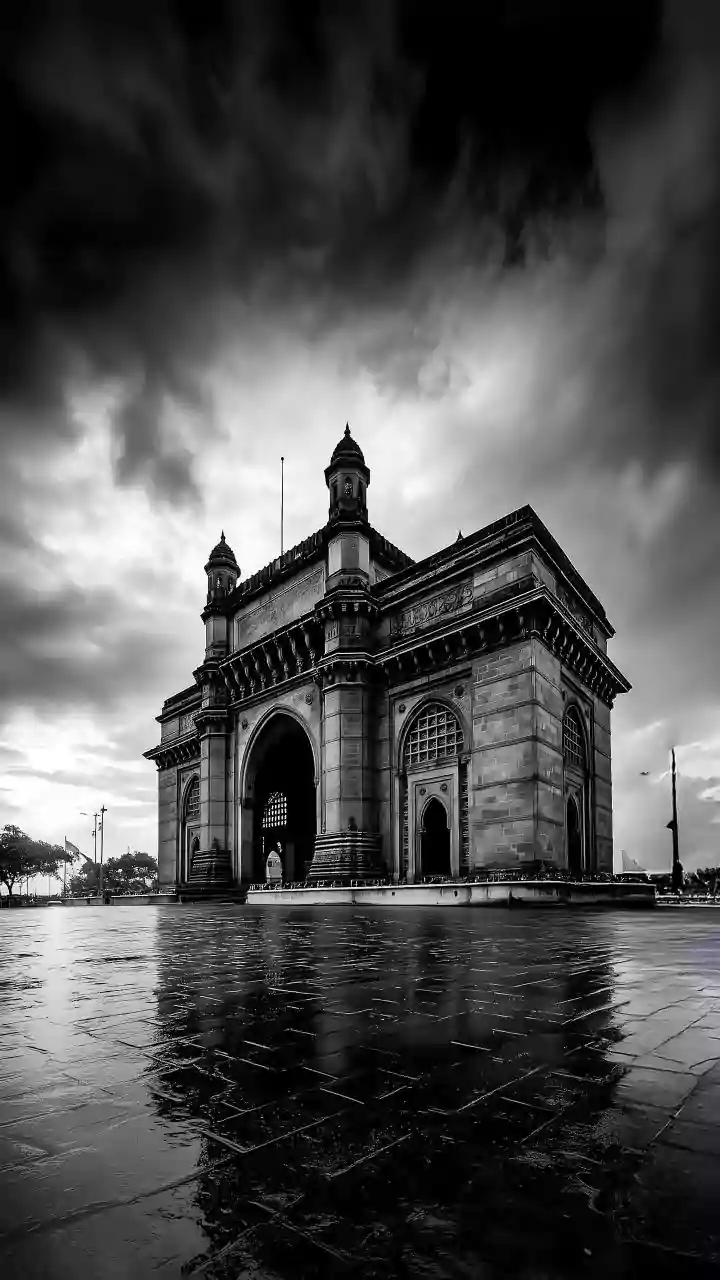
No other season evokes such a powerful mix of emotions in Mumbaikars. The monsoon is both the villain and the hero. It's the frustration of wading through knee-deep water and the simple joy of a hot cup of chai and bhajiyas while watching the rain. It’s the traffic jams and the stunningly beautiful, rain-washed vistas of Marine Drive. This year is no different. The rains are vital, especially after a dry spell raised concerns about the water levels in the lakes that supply the city. Yet, that relief is tempered by the daily struggle. The Brihanmumbai Municipal Corporation (BMC) reported completing much of its pre-monsoon desilting and preparedness work, but as the first downpours hit, the familiar scenes of waterlogged streets put those claims to the test.
The Spirit of Mumbai, Waterproofed
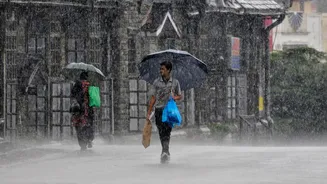
Beyond the weather reports and civic updates lies the true story of the Mumbai monsoon: the resilience of its people. It's in the dabbawalas navigating flooded lanes, the office-goers who have a spare pair of shoes and a carefully folded trouser leg strategy, and the street vendors who quickly cover their stalls with plastic sheets. It’s a collective, unspoken understanding that life doesn’t stop; it just adapts. The BMC has deployed hundreds of dewatering pumps and has its disaster management teams on alert. But the city's real flood-defence system is the unstoppable spirit of its residents, who will complain, tweet, and share memes about the rain, all while finding a way to get through it, day after day.
What the Forecast Holds
The IMD has forecast that the first week of July will continue to see heavy showers for Mumbai and the surrounding regions. An orange alert remains in place, and residents are advised to stay updated on weather warnings and exercise caution. Looking at the bigger picture, the IMD has also predicted that for India as a whole, the rainfall in July is expected to be below normal, a reminder of the larger climatic patterns at play. For now, however, Mumbai is fully in the grip of its most famous season. The conversation has started, the key players have taken their positions, and the city is braced for whatever the next few weeks will bring.