


The Humidity Dilemma
When it rains, the relative humidity outside often hits 100%. A common misconception is that opening a window will instantly make your home damp. While it's true you're inviting in moisture-laden air, keeping your home sealed is not the solution. Everyday
activities like cooking, showering, and even breathing release water vapour into the air. Without anywhere to go, this indoor moisture gets trapped, raising the humidity inside to uncomfortable and potentially damaging levels. An ideal indoor humidity level is between 30% and 50%. During the rainy season, levels above 60% are common and can create an environment where problems begin to grow—literally.
Why Ventilation Is Non-Negotiable
Poor ventilation and high humidity are a recipe for household issues. Trapped moisture is the primary cause of mould and mildew growth, which not only damages walls, furniture, and fabrics but can also pose health risks. High humidity creates a perfect breeding ground for dust mites, microscopic pests that can trigger allergies and asthma. Furthermore, stagnant air allows indoor pollutants, such as volatile organic compounds (VOCs) from paint and furniture, to concentrate, leading to poor indoor air quality. Proper ventilation is essential for flushing out these pollutants and excess moisture, protecting both your home and your health.
Opening Windows: A Calculated Risk
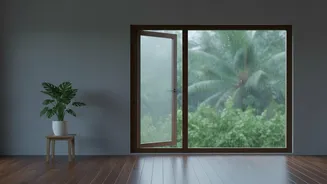
So, should you throw open the windows during a downpour? Probably not. During heavy rain, especially if it's windy, you risk water getting inside and causing damage. However, the advice from experts is to ventilate your home for short periods every day, rain or shine. A brief 10- to 15-minute window opening can do wonders for air quality without significantly impacting indoor humidity or letting in too much rain. The best times are during lulls in the storm or immediately after the rain stops. You can also strategically open windows that are sheltered from the direction of the rain.
Smart Ventilation Strategies for Rainy Days
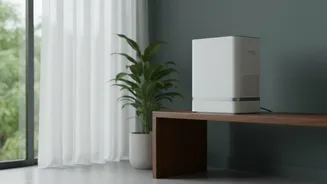
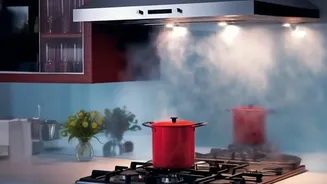
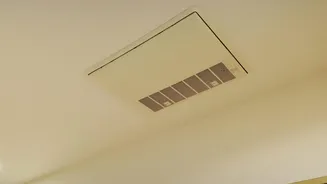
Ventilation is more than just opening windows. On rainy days, a multi-pronged approach works best. Make regular use of your exhaust fans in the kitchen and bathroom, running them during and for about 15-20 minutes after cooking or showering to expel moist air directly outside. Using ceiling fans or pedestal fans helps circulate air within the home, which aids in drying damp surfaces and preventing the air from feeling stagnant. If your home still feels sticky and damp, a dehumidifier is an excellent investment for pulling excess moisture from the air, especially in basements or poorly ventilated rooms. Your air conditioner also acts as a natural dehumidifier as it cools the air, so running it intermittently can help manage comfort.
Signs You Have a Humidity Problem
Your body can often tell you when humidity is high, but your house has its own warning signs. Be on the lookout for condensation on the inside of windows, which indicates that the indoor air is saturated with moisture. A persistent musty or damp smell is a classic sign of mould or mildew, even if you can't see it. Visible signs of mould, like black or green spots on walls, ceilings, or in bathroom corners, mean you have an active problem that needs to be addressed. Peeling paint or wallpaper and warped wood furniture or floors can also be consequences of prolonged high humidity.