








The Foundation: A Clear Chain of Command
On any commercial aircraft, there is a clear and undisputed hierarchy designed for decisive action. The Captain is the final authority on all matters concerning the safety of the flight. This chain of command—from Captain to First Officer, and then to the lead
flight attendant and the rest of the cabin crew—ensures there is no ambiguity during a crisis. Before every single flight, the entire crew conducts a joint briefing. This meeting isn't just a formality; it's where they review the flight plan, discuss potential issues like weather, and establish a shared understanding for the journey ahead. This creates a professional atmosphere and reinforces the team dynamic essential for effective communication.
The Sterile Cockpit: Protecting Critical Phases
One of the most critical safety protocols is the 'Sterile Cockpit' or 'Sterile Flight Deck' rule. This FAA regulation, established in 1981 after accidents were linked to crew distractions, prohibits any non-essential conversation or activity during critical phases of flight. These phases include taxiing, takeoff, landing, and any operations below 10,000 feet. During this time, the flight deck door remains locked, and communication with the cabin is restricted to safety-critical information only. This ensures the pilots can focus entirely on the complex tasks of flying the aircraft without distraction. Cabin crew are trained to hold all non-urgent questions until the aircraft has passed 10,000 feet, often signaled by a chime or light.
Identifying and Communicating a Threat
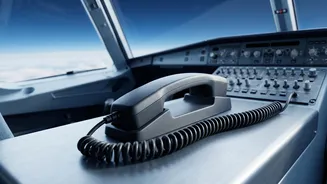
When a threat emerges, it usually originates in one of two places: a technical issue with the aircraft, or a problem in the cabin. If the issue is technical, the pilots' first priority is always to 'aviate, navigate, communicate'. This means flying the plane, figuring out where to go, and then communicating with Air Traffic Control (ATC). The cabin crew may not be informed immediately, as the pilots' focus is on stabilizing the aircraft. If the threat originates in the cabin—such as a medical emergency, a fire, or an unruly passenger—the cabin crew are the first responders. Their training guides them to assess the situation quickly and discreetly. Using the aircraft's interphone system, they can contact the flight deck. These calls are prioritized over any other communication. The initial report will be concise and factual, providing the pilots with the nature and location of the problem so they can make an informed decision without alarming passengers.
A Coordinated Response in Action
Once the pilots are aware of a cabin threat, a coordinated response begins. For a medical emergency, the cabin crew will provide first aid and may ask for assistance from any medical professionals on board. They will also contact a ground-based medical support service, like MedLink, which provides real-time advice from emergency physicians. The captain takes this medical advice, along with operational factors, to decide whether to divert the flight for an emergency landing. In a security situation, such as a hijacking or severe unruly passenger incident, the protocols are different but equally structured. Crew are trained in self-defense and de-escalation techniques. The primary goal is to protect the integrity of the flight deck at all costs. The pilots will communicate the situation to ATC, often using specific transponder codes to signal the nature of the threat without a voice call. While the cabin crew manages the situation in the cabin, the pilots focus on getting the aircraft safely on the ground at the nearest suitable airport, where law enforcement can meet them.
The Unseen Partnership
What passengers see as a calm response is the result of countless hours of rigorous, recurring training. Pilots and cabin crew regularly train for a wide array of emergency scenarios, from fires to medical crises and security threats. This training ensures that every crew member knows their specific role and can execute it under immense pressure. They learn to use a shared, clear language, avoiding ambiguity that could lead to error. This constant preparation builds a deep level of trust and understanding between the flight deck and the cabin, allowing them to function as a seamless team. While the pilots fly the plane, the cabin crew manages the passengers and the cabin environment, each relying on the other to handle their respective domains with professionalism and precision.