



The Post-Monsoon Problem: Dampness and Humidity
While you might be enjoying the pleasant post-monsoon weather, the environment is now a breeding ground for skin issues in dogs. The combination of high humidity, which can remain above 80%, and lingering moisture creates the perfect warm, damp conditions
for fungi and bacteria to thrive. A dog's fur, especially a thick undercoat, can take hours to dry properly, trapping moisture against the skin. This is particularly problematic in urban settings where walks on wet pavements and through damp parks are unavoidable. This trapped moisture is a primary cause of common post-monsoon skin problems, including fungal infections like ringworm and yeast overgrowth, as well as painful hot spots.
The Drying Routine: Your First Line of Defence
The single most important habit for post-monsoon care is a thorough drying routine. This is non-negotiable after every single walk, bath, or exposure to rain. Start with a highly absorbent microfibre towel and be meticulous. Pay special attention to often-overlooked areas like armpits, the groin, under the collar, and between the paw pads, as these spots trap moisture easily. For dogs with long or dense fur, a towel alone is not enough. A pet-friendly dryer on a low heat setting is essential to ensure the undercoat is completely dry. A damp coat is an open invitation for fungal growth.
Paw Care is Paramount
Your dog's paws are ground zero for post-monsoon problems. They are in constant contact with wet, muddy surfaces and puddles that can harbour irritants and bacteria. After every walk, wipe each paw clean and dry it completely, making sure to get in between the toes and around the pads. Trimming the hair around the paw pads can improve airflow and reduce moisture retention, significantly cutting down on the risk of yeast infections. This five-minute routine after each walk can prevent the vast majority of monsoon-related skin issues.
Smart Bathing and Grooming
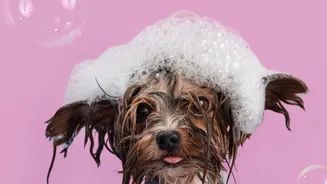
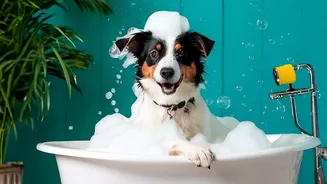
While it might seem tempting to bathe your dog frequently, over-bathing can strip their skin of natural oils, leading to dryness and irritation. During this season, bathing once every two to three weeks is generally sufficient, unless your dog gets particularly dirty. When you do bathe them, consider using a vet-recommended medicated or antifungal shampoo containing ingredients like ketoconazole or miconazole as a preventative measure. Regular brushing is also crucial. It helps remove loose fur, dirt, and trapped moisture while preventing mats, which can become damp pockets against the skin.
Diet, Environment, and Immunity
A strong immune system is better equipped to fight off infections. Ensure your dog is on a high-quality, protein-rich diet, as good nutrition supports skin health from the inside out. Adding omega-3 fatty acids can also help improve the skin barrier. At home, keep your dog's living area and bedding clean and dry. Wash their bedding weekly in hot water and dry it thoroughly to prevent the growth of mould and bacteria. Storing dry food in an airtight container is also important, as high humidity can cause it to spoil faster.
When to See a Veterinarian
Vigilance is key. If your preventative measures aren't enough, you need to know the warning signs that require professional help. Look out for excessive scratching, constant licking of a particular spot, or obsessive paw chewing. Other red flags include red or inflamed patches of skin, circular patterns of hair loss, a greasy feel to the coat, or any unusual musty or sour odour. Hot spots, which are painful, oozing lesions, can appear and spread very quickly and require immediate veterinary attention. Do not hesitate to consult your vet if you notice any of these symptoms; early treatment is crucial for a speedy recovery.