




Vehicle Health: Your First Line of Defence
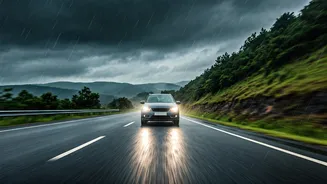
Before you even think about the playlist, a thorough vehicle check is critical. Worn tyres are the primary cause of skids on wet roads, so ensure they have adequate tread depth—at least 3mm is recommended for monsoon safety. Braking distance can nearly
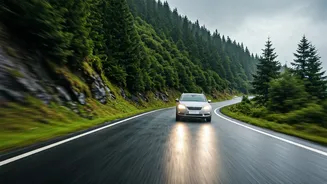
triple on wet surfaces, so get your brake pads and fluid checked. Don't forget your wipers; if they leave streaks, replace them. It’s a small cost for clear visibility. Finally, test all your lights—headlights, tail lights, brake lights, and indicators. In heavy rain or fog, being visible to others is as important as seeing the road ahead.
Route Planning and Weather Checks
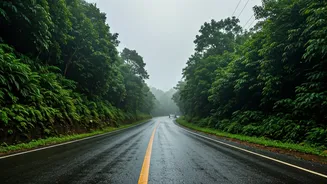
The most common route via NH-48 through the Pune bypass and Wai is generally well-maintained, but monsoon can be unpredictable. Always check for real-time traffic updates and weather advisories from reliable sources like the IMD before you leave. The Ambenali Ghat route, while scenic, is steeper and more prone to dense fog and occasional landslides, making it less suitable for inexperienced monsoon drivers. It's wise to start your journey early in the morning to cover the main ghat sections in broad daylight, as visibility can drop dramatically towards the afternoon. Avoid night driving on these routes during heavy rains.
Ghat Driving Techniques for the Monsoon
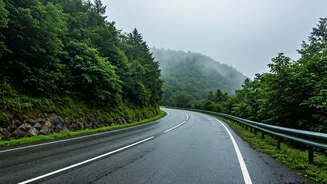
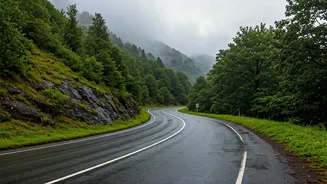
Driving in the ghats requires a different mindset. Maintain a slower speed and a greater distance from the vehicle in front. When going downhill, use engine braking by staying in a lower gear (like second or third) instead of constantly riding the brakes, which can cause them to overheat and fail. A fundamental rule of ghat driving is to give way to vehicles driving uphill. Honk gently around blind curves to alert oncoming traffic. On hairpin bends, give larger vehicles like buses and trucks extra space as they need a wider turning radius.
Spotting and Avoiding Monsoon Hazards
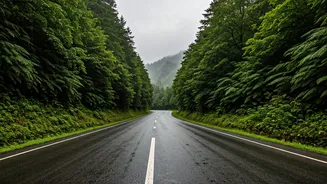
The Lonavala-Mahabaleshwar stretch is beautiful but not without its monsoon-specific risks. Be vigilant for signs of landslides or rockfalls, especially on steep cut-slopes after heavy spells of rain. Roads in and around Mahabaleshwar can deteriorate quickly, with potholes and gravel posing a risk. Never attempt to drive through flowing water, as even a seemingly shallow stream can have a strong current capable of pushing your vehicle off track. Aquaplaning, where your tyres lose contact with the road on a layer of water, is a serious danger. If you feel the steering go light, ease off the accelerator and steer straight until you regain control; do not brake suddenly.
Your In-Car Monsoon Emergency Kit
Being prepared for the unexpected is key. Your monsoon kit should go beyond the standard first-aid box. Pack a tow rope, a powerful flashlight with extra batteries, and a basic toolkit. A puncture repair kit and ensuring your spare tyre is properly inflated are non-negotiable. Also include items for personal comfort and safety, like a raincoat, an umbrella, dry towels, and a change of clothes. A fully charged power bank is essential, as mobile networks can be patchy in the ghats and you don't want to be left with a dead phone in an emergency.
Embrace a Cautious Journey
The goal is to enjoy the stunning monsoon scenery safely. Avoid making sudden stops at risky spots like blind curves, no matter how tempting a waterfall looks. If you want to take pictures or simply soak in the view, find a designated, safe pull-over spot. Remember that the journey itself is part of the experience. Many roadside eateries dot the route, but during monsoon, it's advisable to be cautious about hygiene and perhaps stick to freshly prepared hot food or packed meals. Driving requires full concentration, so avoid distractions and if you feel tired, take a break. A tense driver is a risk on wet, winding roads.