







First, What Is Podi?
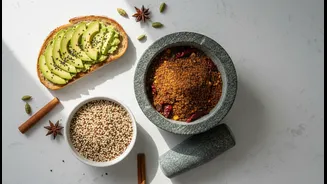
For the uninitiated, 'podi' (or 'pudi') is a staple condiment in South Indian homes, especially in Tamil Nadu, Andhra Pradesh, and Karnataka. The word simply means 'powder'. It’s a coarse, dry blend of roasted lentils (like urad dal and chana dal), seeds
(often sesame), dried red chillies, and other spices. Affectionately nicknamed 'gunpowder' for its explosive flavour, podi is traditionally mixed with ghee or sesame oil and served with idlis, dosas, or simply sprinkled over hot rice. Each family has its own recipe, a closely guarded secret passed down through generations, making it a repository of regional and household identity.
The Unlikely Marriage on a Slice
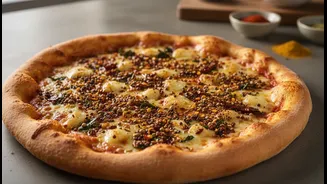
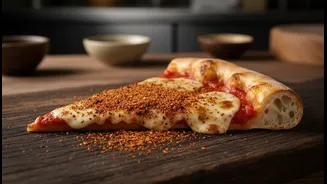
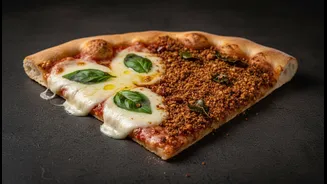
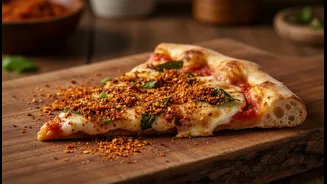
The idea of sprinkling this savoury, spicy powder onto a cheesy pizza base might seem strange, but it is part of a larger, more delicious movement. Indian pizzerias have long moved past the standard pepperoni and mushroom toppings. The Indian pizza market is defined by its embrace of local flavours, with paneer tikka and tandoori chicken toppings now considered mainstream. Podi on pizza is the next logical step in this evolution. It swaps the familiar oregano and chilli flakes for a condiment that is deeply rooted in the Indian palate. The umami-rich lentils in the podi complement the cheese, while the heat from the chillies provides a familiar kick, creating a dish that is both novel and nostalgic.
A New Era of Confident Fusion
For years, 'Indian fusion' often meant simply adding cream and garam masala to a Western dish. Today’s culinary experiments are far more thoughtful. Chefs are moving beyond performative tricks and focusing on ingredients and techniques that tell a story. This new wave isn't about diluting Indian flavours for a global audience; it's about confidently applying them to new formats. We see this in dishes like naan tacos, butter chicken pasta, and even pizza dosas. According to food trend reports, this approach is succeeding because it is rooted in genuine culinary heritage rather than being a gimmick for novelty's sake. Podi on pizza fits this mould perfectly. It’s not a random pairing but a deliberate cultural conversation on a plate.
The Evolving Indian Palate
This trend is also a direct reflection of the modern Indian diner, who is more adventurous than ever. Consumers are increasingly seeking both comfort and adventure, sometimes on the same plate. They want the thrill of a new experience but grounded in the flavours they grew up with. As one analysis notes, diners have 'graduated' from the introductory dishes that once defined Indian food in the mainstream. The growing popularity of once-niche regional cuisines from places like Kerala, Goa, and Nagaland further demonstrates this desire for depth and authenticity. Cross-cultural dishes like podi pizza succeed because they offer a 'newstalgia'—a blend of innovation and comforting familiarity.
The Rules of Reinvention
Not every fusion experiment works. The most successful cross-cultural dishes respect the integrity of both traditions. As chefs like Garima Arora and Ranveer Brar have shown, modern Indian cuisine is about elevating traditional flavours with contemporary techniques, not erasing them. The future of Indian food isn’t about replacing the past, but translating it for a new generation. It’s about understanding the 'why' behind a tradition before attempting to reinvent it. A sprinkle of podi on a pizza works because it enhances, rather than overpowers, the original dish. It introduces a new layer of flavour and texture that feels both surprising and perfectly logical, providing a crunchy, spicy counterpoint to the soft, cheesy base.