




Earth's Hellish Twin
Venus is often called Earth’s twin due to its similar size and mass, but the comparison ends there. The planet is a cautionary tale of a runaway greenhouse effect. Its atmosphere is over 90 times denser than Earth's and composed almost entirely of carbon
dioxide, creating immense surface pressure equivalent to being 900 meters deep in our ocean. Surface temperatures are a uniform 465°C, hot enough to melt lead. To top it off, the planet is permanently covered in thick clouds of corrosive sulfuric acid. These conditions make observing the surface with conventional optical cameras impossible and pose an extreme challenge for any visiting spacecraft. Landing is even harder; no probe has survived on the surface for more than a couple of hours. This is why an orbiter with specialised tools is crucial.
Peering Through the Clouds
The single most important challenge for a Venus orbiter is seeing through the opaque cloud cover. ISRO's primary tool for this job on Shukrayaan is a high-resolution Synthetic Aperture Radar (SAR). Unlike a regular camera that needs light, a SAR works by sending radio waves down to the planet's surface and analysing the echoes that bounce back. Because these radio waves can penetrate the thick clouds, day or night, the SAR can create detailed maps of the surface geology below. Shukrayaan's planned S-band SAR aims for a resolution four times greater than NASA's Magellan mission, allowing it to spot features related to volcanic activity, lava flows, and impact craters with unprecedented clarity. This technology is the key to unlocking the secrets of Venus's surface from a safe orbit.
Decoding the Atmosphere
Beyond the surface, Shukrayaan's objectives include studying the composition and dynamics of the hostile atmosphere itself. For this, the orbiter will carry a suite of instruments, including spectrometers and thermal cameras. One key payload is an infrared instrument designed to analyse atmospheric gases. These sensors are optimized to detect the chemical fingerprints of specific molecules like sulfur dioxide and carbon dioxide by observing at very specific wavelengths where the atmosphere is slightly more transparent. By studying these gases, their distribution, and their movement, scientists hope to understand the planet's extreme weather, its mysterious super-rotating winds, and the chemical processes happening within its acidic clouds. Another instrument will monitor for lightning, giving insight into the planet's atmospheric electrical activity.
A Mission of National Significance
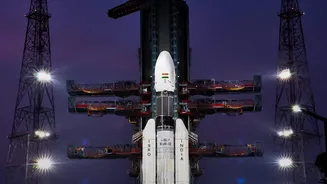
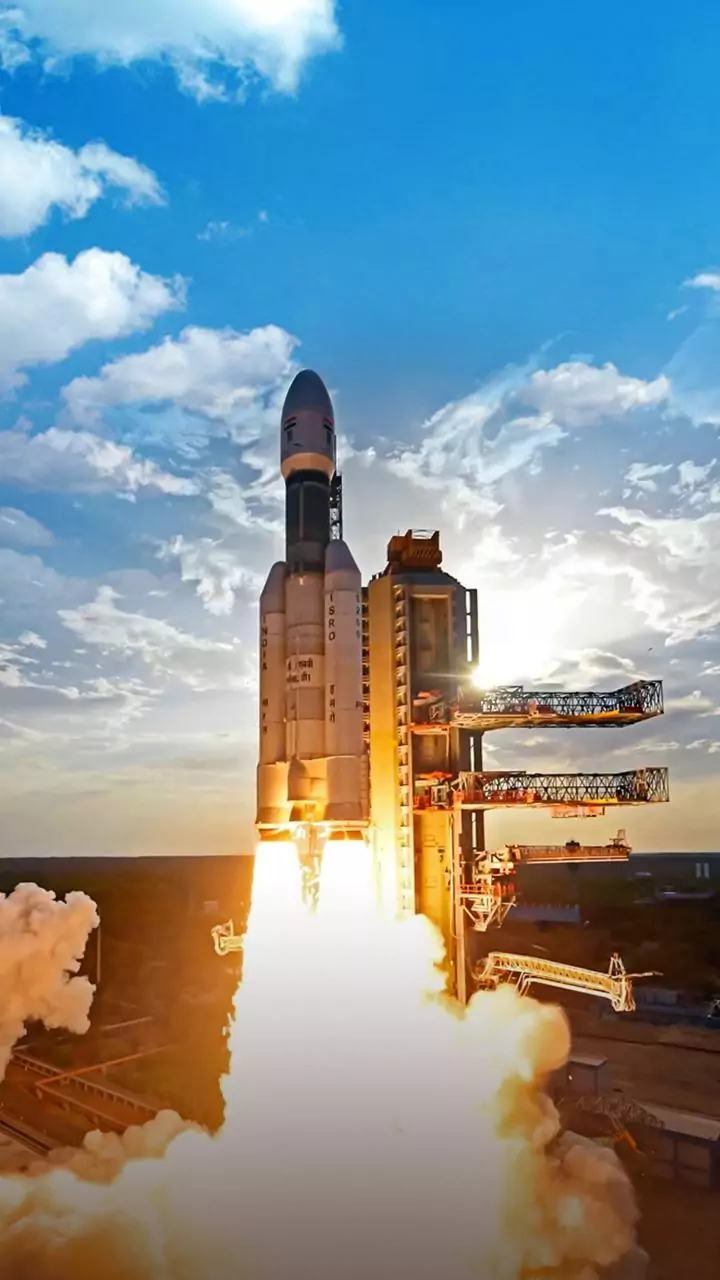
The development of these specialised payloads showcases India's growing capabilities in planetary science and exploration. The Shukrayaan mission, approved by the government and planned for a launch in the coming years, follows the monumental successes of Chandrayaan and Mangalyaan. It will carry a suite of around 16 indigenous instruments, alongside several international collaborations, including one with Sweden to study how the solar wind interacts with the Venusian atmosphere. Studying Venus is not just about exploring another world; it provides a natural laboratory to understand how planetary climates evolve. By investigating why Earth’s twin became so inhospitable, scientists can gain invaluable insights into the long-term-dynamics of our own planet's climate. Shukrayaan represents a major step for India's space program, positioning it as a key player in deep-space exploration.