


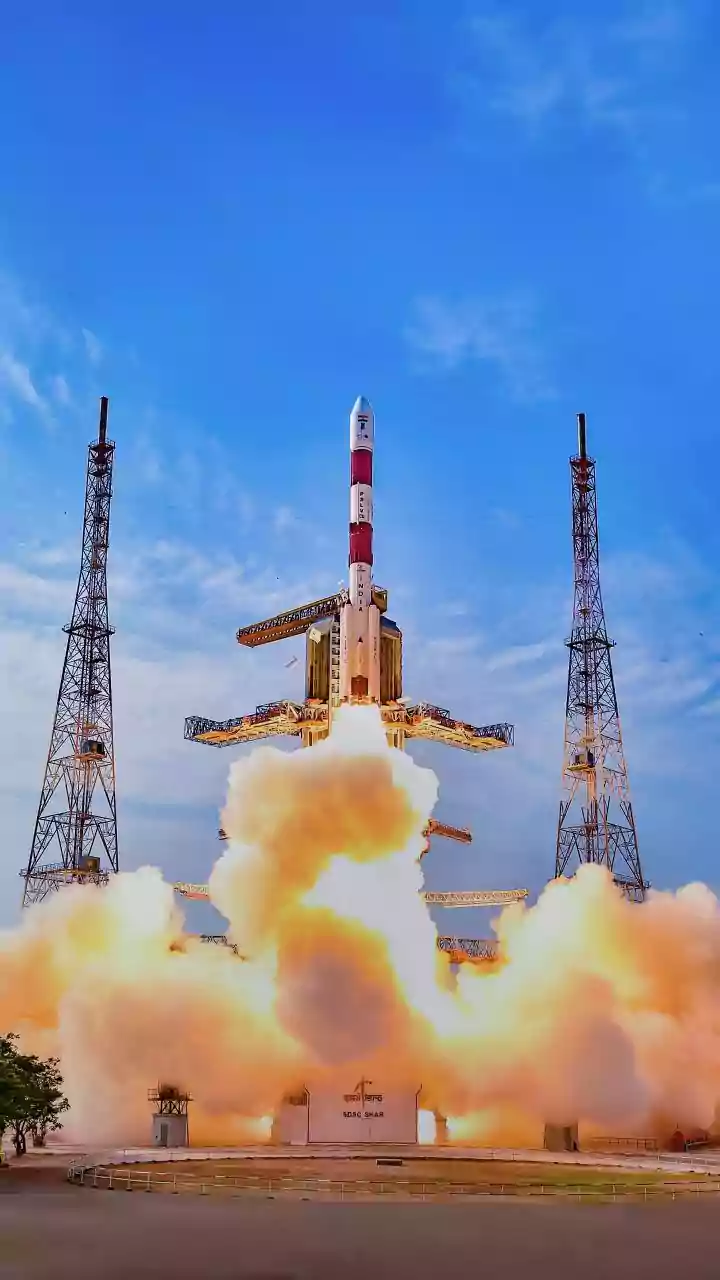



A Nation Inspired
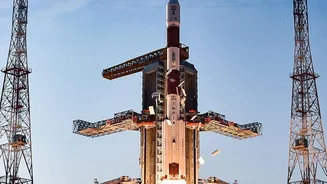
Not long ago, the heroes for many young Indians were found on cricket pitches and cinema screens. Today, a new set of role models has emerged: the scientists and engineers of ISRO. The spectacular success of missions like Chandrayaan-3, which made India the first
nation to land on the lunar south pole, has captured the national imagination. This achievement was more than just a scientific milestone; it became a moment of immense collective pride, broadcast live in schools and public squares across the country. For countless students, watching the Vikram lander touch down was a transformative experience, shifting space exploration from a distant concept in a textbook to a tangible, thrilling reality. This newfound enthusiasm has sparked a significant shift, with many students now openly aspiring to become space scientists themselves.
Catching Them Young: ISRO's Outreach
Capitalising on this surge of interest, ISRO has been proactive in nurturing the next generation of space explorers through dedicated outreach initiatives. The flagship programme is the 'YUva VIgyani KAryakram' (YUVIKA), or Young Scientist Programme. This fully sponsored, two-week residential camp invites meritorious students, primarily those who have completed Class 9, to immerse themselves in space science. Participants get to visit ISRO's world-class facilities, interact with senior scientists, attend lectures, and engage in hands-on activities like building and launching model rockets. The programme is strategically designed to "catch them young," giving them a foundational understanding of space technology and encouraging them to pursue careers in Science, Technology, Engineering, and Mathematics (STEM).
Building the Future, One Satellite at a Time
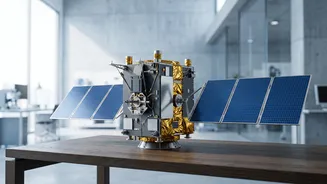
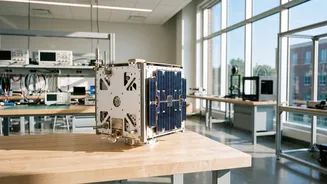
Beyond summer camps, ISRO provides tangible opportunities for older students to get involved in actual space missions. The Student Satellite Programme encourages universities and academic institutions to design, develop, and build their own satellites with mentorship and technical support from ISRO scientists. This initiative offers invaluable hands-on experience, equipping students with practical skills in engineering, project management, and teamwork that are impossible to gain in a classroom alone. Since its inception, several student-built satellites have been successfully launched aboard ISRO's rockets, turning academic projects into orbiting realities and giving students a direct stake in India's space journey.
The Blueprint for a Career at ISRO
For those whose curiosity has firmly solidified into a career goal, the path to joining ISRO is challenging but well-defined. The journey typically begins by choosing the science stream after Class 10, focusing on Physics, Chemistry, and Mathematics. This leads to pursuing a B.E. or B.Tech in relevant engineering disciplines like Mechanical, Electronics, Computer Science, or Aerospace Engineering, with a minimum aggregate of 65% marks. The most direct entry point for engineers is the ISRO Centralised Recruitment Board (ICRB) exam, a highly competitive annual test followed by an interview. Another key pathway is through the Indian Institute of Space Science and Technology (IIST) in Thiruvananthapuram, which functions under the Department of Space and offers direct placement to top-performing graduates. Internships and project trainee schemes also offer students a foot in the door, providing practical experience within ISRO's centres.
Fuelling a National STEM Revolution
The "ISRO effect" extends far beyond the walls of the space agency. This nationwide enthusiasm for space is creating a powerful ripple effect across India's entire educational and technological landscape. It is inspiring a broader interest in STEM fields, which is crucial for building the skilled workforce needed for a technology-driven economy. The success of missions like Chandrayaan-3 has not only boosted job creation in the space-tech sector but has also spurred growth in research and development, encouraging more collaboration between academic institutions and industry. By turning the abstract dream of space into an achievable career, ISRO is not just exploring the cosmos; it is shaping the future of science and innovation for an entire generation of Indians.