




A Bowl of Monsoon Comfort
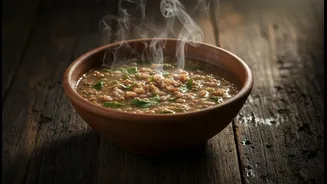
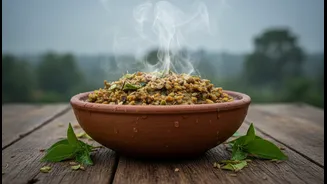
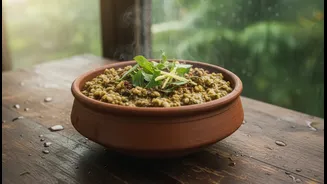
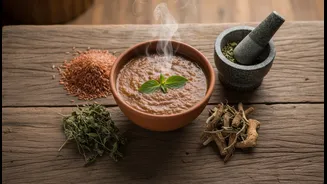
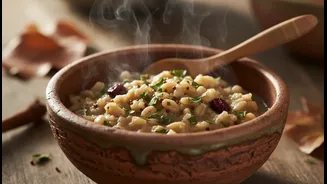
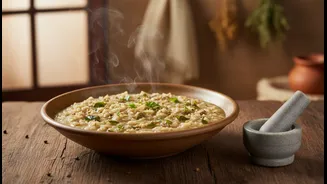
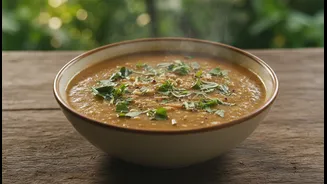
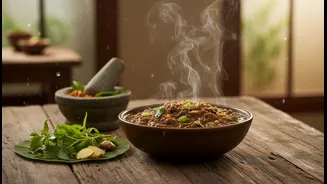
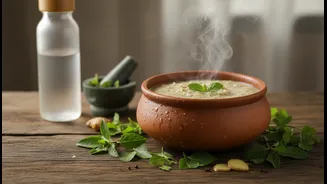
At its heart, Karkidaka Kanji is a simple rice porridge, or 'kanji', elevated to a medicinal preparation. It is also known as Oushadha Kanji, literally translating to 'medicine porridge'. The base is traditionally Njavara rice, a regional grain prized
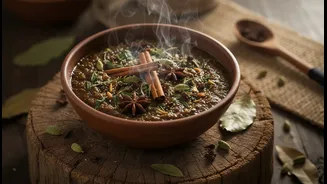
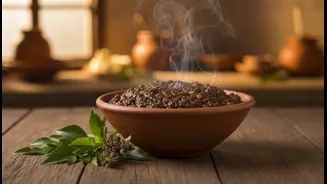
in Ayurveda for being light and nourishing. This rice is slow-cooked with a blend of potent herbs and spices like dry ginger, cumin, and fenugreek, and sometimes enriched with coconut milk. Each ingredient is chosen for its specific properties—to kindle a sluggish digestive system, reduce inflammation, and bolster the body's defences, which are all considered to be weaker during the demanding monsoon season. The result is a fragrant, earthy, and deeply warming meal that embodies the Ayurvedic principle of food as medicine.
The Wisdom of Karkidakam
The porridge is intrinsically linked to Karkidakam, the final month in the Malayalam calendar (around mid-July to mid-August), which coincides with the peak of the monsoon. Historically, this was a challenging time in Kerala. Heavy rains made travel and work difficult, leading to a period of relative scarcity. Ayurveda views this season, known as 'Varsha Ritucharya', as a time when the body's digestive fire ('Agni') is weak and immunity is low, making people more susceptible to illness. Karkidaka Kanji was developed as a practical, community-driven response. Consumed daily for a week or longer, it is part of a wider wellness regimen known as Karkidaka Chikitsa, which includes therapies designed to detoxify, rejuvenate, and prepare the body for the year ahead.
A Modern Renaissance
Once a tradition confined to Kerala households and Ayurvedic centres, Karkidaka Kanji is experiencing a modern revival. This resurgence is part of a broader, nationwide movement towards embracing traditional, regional foods and 'pantry wisdom'. In an age of hyper-processed foods, there is a growing appreciation for local, seasonal ingredients and the time-tested knowledge of our ancestors. Chefs, wellness influencers, and even five-star hotels are now featuring 'lost recipes' and hyperlocal cuisines. Karkidaka Kanji, with its focus on gut health and immunity, fits perfectly into the contemporary wellness narrative. Instant kanji mixes are now readily available, making this ancient practice accessible to a new generation living fast-paced lives.
Tradition, Not Treatment
Herein lies the critical part of the conversation. While Karkidaka Kanji is a nourishing and beneficial food, it is essential to distinguish between supportive tradition and medical treatment. The global wellness industry often blurs this line, and traditional practices can be marketed with unsubstantiated claims. The kanji can support digestion, boost immunity, and provide comfort, but it is not a 'cure' for diseases like diabetes, arthritis, or cancer. Relying on a traditional remedy while delaying or foregoing evidence-based medical diagnosis and treatment can be dangerous. The true value of Karkidaka Kanji lies in its role as a preventive, seasonal food that supports overall well-being within a balanced lifestyle—not as a replacement for a doctor's advice.