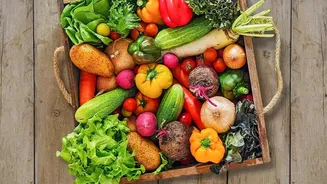








Why Monsoon Increases Food Safety Risks
The rainy season dramatically increases the risk of food contamination. High humidity and ambient moisture create the perfect environment for bacteria like Salmonella and E. coli, fungi, and other pathogens to thrive. Vegetables and fruits can be contaminated
during cultivation in waterlogged fields, transportation, or storage. This elevated risk is why health authorities, including the Food Safety and Standards Authority of India (FSSAI), issue special advisories during this time. Common monsoon illnesses such as gastroenteritis, cholera, and typhoid are frequently linked to consuming contaminated food and water. The challenge is particularly acute for leafy greens and vegetables that grow close to the ground, as they can trap dirt, larvae, and germs.
Smart Shopping: Choosing the Right Produce
Being selective at the market is your first line of defense. Opt for whole fruits and vegetables over pre-cut or peeled varieties, which have more exposed surfaces for germs to latch onto. Many experts suggest limiting or avoiding certain leafy greens like spinach and cabbage during peak monsoon, as their layered structure makes them difficult to clean thoroughly. If you do buy them, ensure they are incredibly fresh and plan to cook them well. Root vegetables that come with a lot of mud require extra diligence. It’s also wise to avoid mushrooms, which grow in damp conditions and can harbor pathogens. Always choose produce that is firm, brightly coloured, and free from any bruises, cuts, or signs of mould.
The Definitive Guide to Washing Produce
A simple rinse under the tap isn't enough during the monsoon. The FSSAI recommends washing all produce thoroughly under clean, running water. For a more robust cleaning, a saltwater soak is highly effective. Soaking vegetables for 10-15 minutes in a solution of one tablespoon of salt per litre of water can help dislodge dirt, germs, and even small insects. Another popular and effective method is a vinegar solution (one part vinegar to three parts water). For leafy greens, it's best to separate the leaves, soak them, and then lift them out of the water to leave the settled grit behind. Some households also use a very dilute solution of potassium permanganate, which is a powerful disinfectant, but it must be used with extreme caution to ensure it's heavily diluted to a light pink shade, followed by a thorough rinse.
Proper Storage in Humid Conditions
Once cleaned, proper storage is crucial to prevent spoilage. High humidity can make produce rot faster. Ensure vegetables are dried thoroughly with a clean cloth or paper towel before storing. Storing them in breathable bags in the refrigerator helps maintain freshness by allowing air circulation and preventing moisture buildup. The FSSAI advises keeping your refrigerator clean and even suggests defrosting it every two weeks during the monsoon to prevent the growth of mould and bacteria fueled by excess moisture. Following a 'first in, first out' system, where you use older produce before newer items, can also significantly reduce waste and the risk of consuming spoiled food.
Cooking for Safety: The Final Step
The final and most crucial step to ensure food safety during the monsoon is to cook your food thoroughly. Heat is a powerful tool for killing harmful microorganisms. It is advisable to avoid raw foods like salads, or at the very least, be extra vigilant about their preparation. Steaming or boiling vegetables is a great way to ensure they are safe to eat without losing all their nutrients. Even when preparing salads at home with well-washed ingredients, the risk remains higher than with cooked meals. If you must have raw food, make sure it is prepared fresh and consumed immediately. Reheating leftovers until they are piping hot is also essential to kill any bacteria that may have developed during storage.