






Why We Reach for Herbs in the Rains
The monsoon's damp and humid conditions create a perfect breeding ground for bacteria and viruses, leading to a rise in colds, coughs, and digestive issues. For generations, Indian households have relied on a treasure trove of herbs and spices to combat
these seasonal health challenges. Ingredients like turmeric, ginger, and tulsi are celebrated in Ayurveda for their antimicrobial, anti-inflammatory, and immunity-boosting properties. A warm cup of ginger tea or a pinch of turmeric in milk are comforting rituals that do more than just soothe the soul; they are believed to strengthen our body’s natural defences against infections common during this season. These remedies are part of a holistic approach to wellness, where food is seen as medicine to maintain balance within the body.
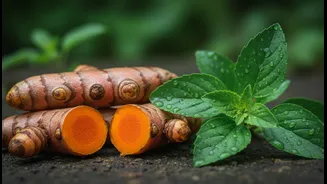
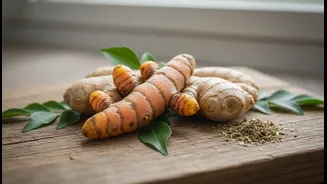
Turmeric: The Golden Rule of Moderation
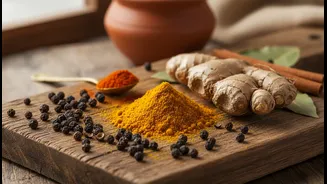
Turmeric, with its active compound curcumin, is a powerhouse of anti-inflammatory and antioxidant benefits, making it a go-to spice during the monsoon. It's known for supporting the immune system and fighting infection. However, its potency means that excessive consumption can lead to problems. While a pinch in your dal or a glass of 'haldi doodh' is beneficial, very high doses can irritate the stomach, leading to digestive issues like nausea or diarrhoea. Experts suggest that for most people, the amount used in daily cooking is safe and effective. It's concentrated supplements where caution is especially warranted, as they can interfere with certain medications, including blood thinners, and in rare cases, have been linked to liver issues.
Ginger: A Warming Spice with a Warning
Ginger is another monsoon essential, prized for its ability to aid digestion, relieve nausea, and combat cold and flu symptoms. A hot cup of 'adrak chai' is a classic remedy for a sore throat. Its warming properties are thought to help counteract the dampness of the season. Yet, even this beloved root has its limits. Consuming too much ginger can sometimes cause heartburn, acidity, or stomach discomfort, particularly for those with a sensitive digestive system or a tendency towards acid reflux. While a few grams a day, incorporated into meals or teas, is generally considered safe, exceeding this can disrupt the very digestive harmony you seek to achieve.
Tulsi: The Queen of Herbs Demands Respect
Tulsi, or Holy Basil, is revered in Ayurveda as the “Queen of Herbs” for its remarkable ability to fight off infections, reduce stress, and support respiratory health. Chewing a few leaves in the morning or brewing a tulsi tea are common practices to keep seasonal illnesses at bay. However, its medicinal properties also mean it should be used with mindfulness. In large quantities, Tulsi can have a blood-thinning effect and may lower blood sugar levels. This means individuals on blood-thinning medication or those managing diabetes should be particularly cautious and consult a professional before making it a major part of their daily regimen. As with all potent herbs, a little goes a long way.
The Art of Balance: A Practical Guide
Embracing herbal remedies doesn't mean transforming your kitchen into a pharmacy. Moderation is about integrating these powerful ingredients wisely. A general guideline is to stick to culinary amounts—the pinch of this or the small piece of that which recipes have called for over generations. Think of herbs and spices as flavour enhancers with added benefits, not as the main ingredient. A varied diet remains crucial; relying too heavily on one or two herbs can create an imbalance. If you're considering herbal supplements, which are far more concentrated than kitchen spices, consulting a doctor or a qualified Ayurvedic practitioner is essential, especially if you have pre-existing health conditions, are pregnant, or are taking other medications.