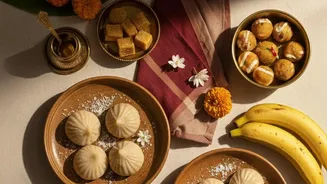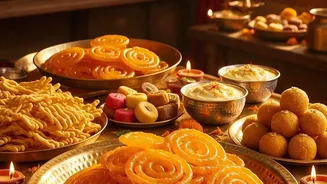


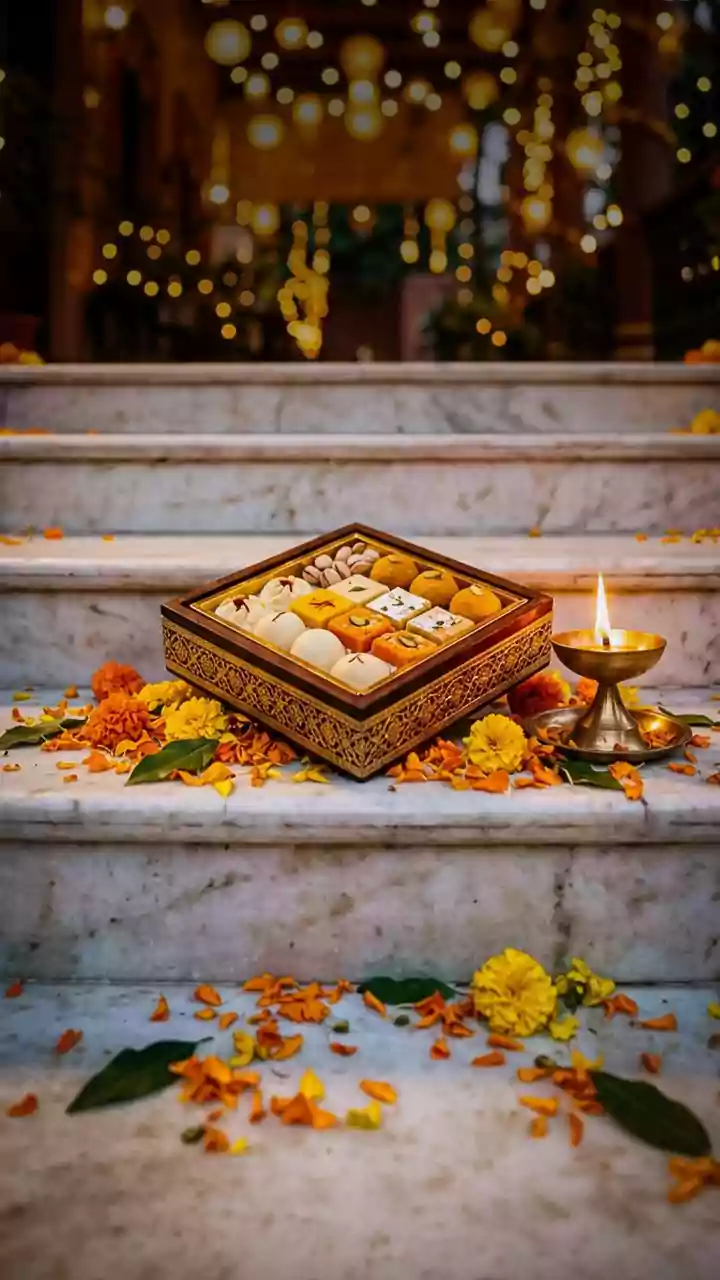
Diwali is a time of joy, light, and an abundance of sweets. As boxes of mithai from friends and family fill our homes, a familiar challenge arises: how to enjoy every last treat before it spoils? Here is a practical guide to managing your sweets.
Know Your Mithai's Lifespan
Not all
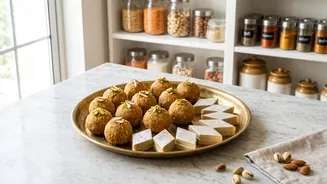
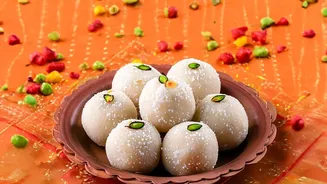
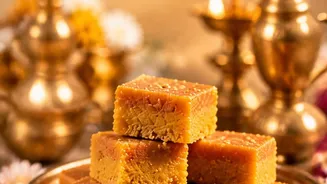
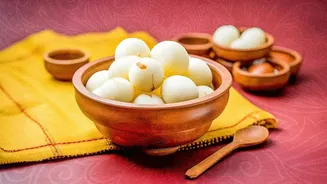
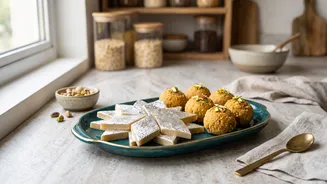
Indian sweets are created equal when it comes to shelf life. The ingredients are the biggest factor. Milk or khoya-based sweets like kalakand, rasmalai, and other Bengali sweets are the most perishable. They should be refrigerated immediately and are best consumed within one to two days. Sweets made with flour, ghee, and sugar, such as besan ladoo or mysore pak, last longer. These can stay fresh for about four to seven days if stored correctly. The most durable are dry-fruit and nut-based sweets like kaju katli and anjeer barfi, which can last for a week or even longer in an airtight container. Knowing this helps you decide which box to open first.
First In, First Out (FIFO)
The simplest rule for preventing spoilage is 'First In, First Out'. When you receive a new box of sweets, try to find out when it was purchased or made. If you can't, a quick visual inspection will help. Consume the most perishable sweets first, which are typically those made from milk solids (khoya) or fresh paneer (chenna). Keep the longer-lasting dry fruit or ghee-based sweets for later in the week. Applying this simple rotation ensures that you enjoy everything at its freshest and significantly reduces the chances of having to discard anything.
Smart Storage Is Everything
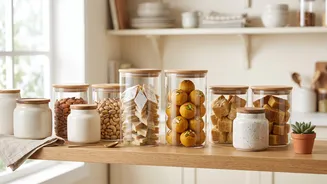
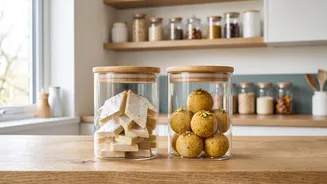
Proper storage is your best defence against spoilage. Milk-based sweets must always be refrigerated. For all other sweets, airtight containers are non-negotiable. They prevent the sweets from drying out, absorbing odours from the fridge, and protect them from humidity. It is also a good practice to store different types of sweets in separate containers to maintain their individual flavours and textures. If you have sweets in cardboard boxes, transfer them to glass or steel containers for better protection. Keep them in a cool, dark place away from direct sunlight, which can cause them to spoil faster.
Create a Visual Inventory
When your kitchen counter is overflowing with boxes, it is easy to lose track of what you have. A quick solution is to create a visual inventory. As you receive boxes, consolidate them. You can unbox the sweets and arrange them on large platters or trays, grouping similar types together. One platter for ladoos and barfis, and another for milk-based sweets, for example. This not only looks inviting but also helps you see exactly what you have at a glance. It makes it easier for family members and guests to pick what they want and helps you monitor which sweets need to be finished quickly.
Give Leftovers a New Life
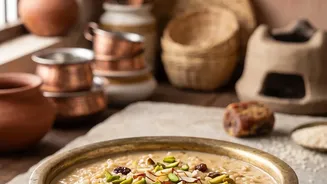
Even with the best planning, you might end up with leftover sweets. Instead of letting them sit in the fridge, get creative. Crumbled ladoos or barfis can be transformed into a delicious base for a no-bake cheesecake. You can blend them with milk and a scoop of ice cream to create a rich, festive milkshake. Soan papdi can be crumbled and used as a crunchy topping for ice cream or kheer. Stale jalebis can even be layered in a parfait with yoghurt and fruit for a fusion dessert. These simple ideas not only prevent waste but also give you new ways to enjoy the festive flavours.