


Defying Gravity, or Just Physics?
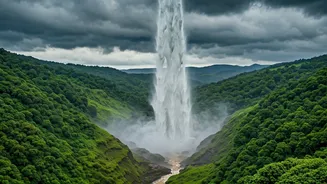
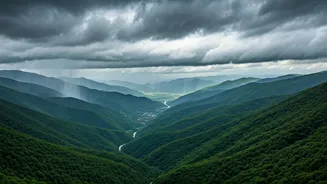
So, what exactly is a 'reverse waterfall'? The phenomenon isn't about water suddenly deciding to flow uphill. It's a beautiful illusion created by a perfect storm of geography and meteorology. During the peak monsoon season, especially in the rugged terrain
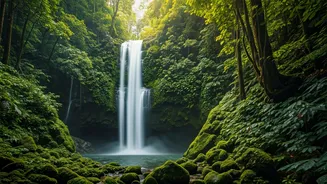
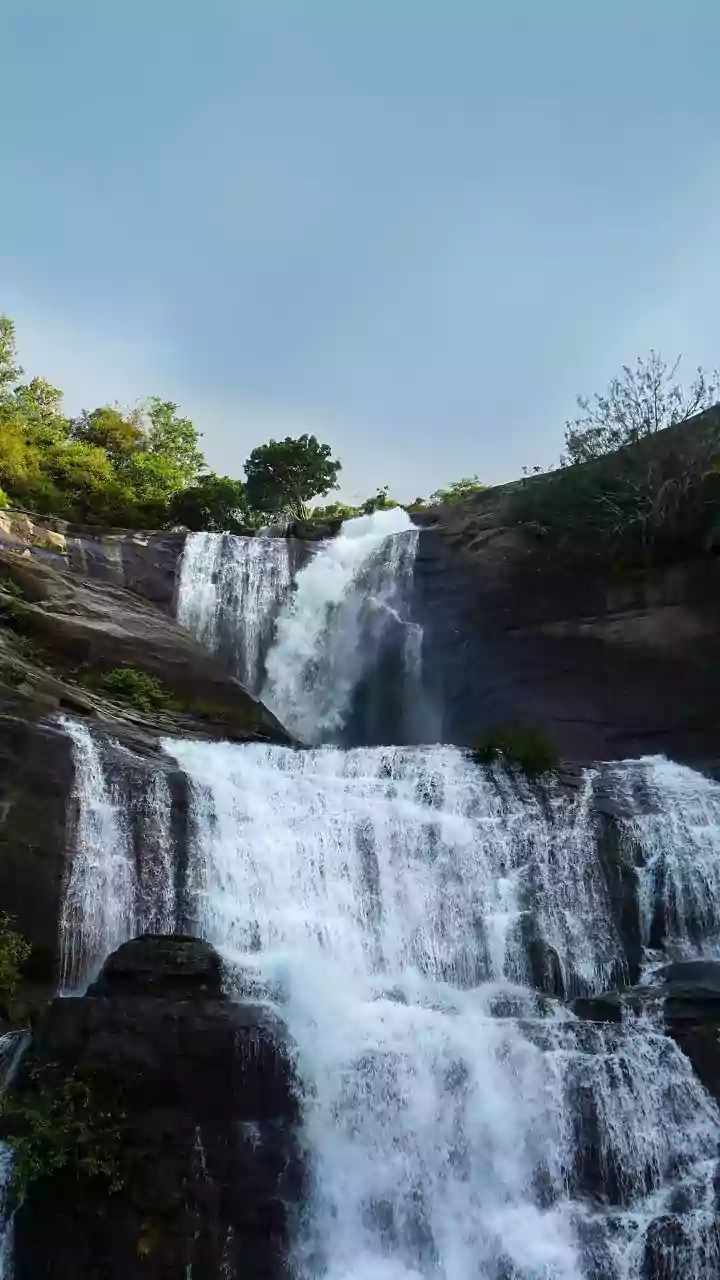
of the Western Ghats, powerful winds barrel across the plateaus. When these winds encounter steep cliffs or valleys with waterfalls, they are forced upwards with immense pressure. This upward draft is so strong that it catches the falling water, atomises it into a fine spray, and carries it back up the cliff face. The result is a mesmerising spectacle that looks as if the waterfall is flowing in reverse, with mist and droplets billowing into the sky.
A Monsoon Masterpiece
This isn't a year-round event. Reverse waterfalls are exclusively a gift of the Indian monsoon, typically occurring between July and September. This is when the southwest monsoon winds are at their fiercest, and the rivers and streams that feed the waterfalls are swollen with rain. The dense fog, lush greenery, and dramatic, overcast skies create a theatrical backdrop for this natural performance. It’s a powerful reminder of the raw energy of the season, transforming familiar landscapes into something truly extraordinary. For locals and tourists alike, spotting a reverse waterfall has become a quintessential monsoon experience, a reason to embrace the rain and head for the hills.
Naneghat: The Ancient Gateway
One of the most famous and accessible places to witness this phenomenon is Naneghat, a mountain pass in Maharashtra. Historically, it was a vital trade route connecting the coast to the hinterland. Today, it’s a popular destination for trekkers and nature lovers. During the monsoon, the pass becomes a prime viewing gallery for reverse waterfalls. The valley's unique funnel-like structure amplifies the wind speed, creating a powerful and consistent updraft. Videos from Naneghat frequently lead the viral charge each year, showing people leaning into the wind and watching their scarves and water droplets fly upwards. The combination of historical significance and natural wonder makes it a top spot on any monsoon bucket list.
Malshej Ghat: A Waterfall Wonderland
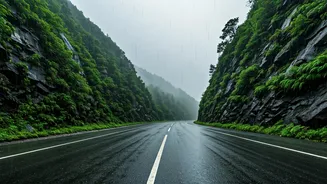
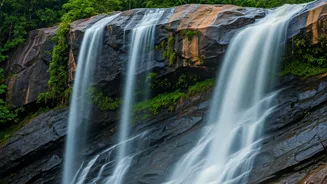
Nestled in the Western Ghats, Malshej Ghat is renowned for its breathtaking natural beauty, especially during the rains. The entire region comes alive with countless waterfalls cascading down its dark, rocky slopes. While it’s a paradise for waterfall enthusiasts in general, it is also a fantastic place to hunt for reverse waterfalls. The winding roads offer numerous vantage points where strong gales blast across the valleys, turning several of the smaller falls into misty updrafts. Driving through Malshej Ghat during a particularly windy, rainy day is an experience in itself, with sheets of water spray blowing across the road and enveloping everything in a magical mist.
Visapur Fort: A Trekker’s Reward
For the more adventurous, the trek to Visapur Fort near Lonavala offers another stunning location to see water defy gravity. The fort itself is a historical marvel, but during the monsoon, the journey becomes part of the attraction. The trail to the top often involves walking through a flowing stream that cascades down the fort’s steps. On windy days, smaller sections of these 'waterfall stairs' can exhibit the reverse effect. Reaching the fort’s plateau, trekkers are rewarded with panoramic views and the full force of the wind, which often creates impressive reverse waterfall effects along the fort’s ramparts. It’s a perfect blend of history, adventure, and natural spectacle.
Why It Keeps Going Viral
The enduring viral fame of India’s reverse waterfalls is easy to understand. The visuals are simply stunning and counterintuitive, making them perfect for short-form video platforms like Instagram Reels and TikTok. The footage sparks immediate curiosity and wonder. Is it real? How is it possible? This shareability, combined with the seasonal nature of the event, creates a recurring wave of excitement every monsoon. Each year, a new batch of travellers and content creators rediscovers the phenomenon, capturing it with better cameras and drones, and introducing it to a fresh audience. It's a beautiful cycle that celebrates a unique aspect of India's natural heritage.