





The Gut's Alluring Promise
Imagine an ecosystem thriving inside you, made up of trillions of bacteria, fungi, and other microbes. This is your gut microbiome, and it plays a massive role in your health. These microbes help digest food, particularly fibre, producing beneficial compounds
that support everything from your immune system to your metabolism. It’s a bustling internal world unique to you. Given that diet is a major factor that shapes these microbial communities, the idea of eating specifically to cultivate a 'healthy' microbiome has captured the imagination of the wellness world and scientists alike. The concept is simple: if we can figure out what your personal microbes need to thrive, we can create the perfect diet for you.
The Dream of a Personalised Plate
The dream of a truly personalised diet isn't new, but the microbiome has given it a powerful new focus. Landmark research projects like the PREDICT studies have shown strong links between a person's diet, the specific microbes in their gut, and markers of health like blood sugar and fat levels. For instance, some studies found that the presence of certain bacteria could help predict how an individual's blood sugar would respond to different types of bread. This led to the exciting possibility that by analyzing a stool sample, we could create a diet plan to lower your risk of conditions like heart disease, obesity, and type 2 diabetes by recommending foods that feed your 'good' bacteria and starve the 'bad'.
Why Science Says 'Not So Fast'
Despite the excitement, creating a proven, personalised diet from a microbiome test is still incredibly challenging. A key reason is the dynamic nature of the gut itself. Your microbiome isn't static; it can change based on your last meal, stress levels, sleep quality, and medications. A single sample provides only a snapshot of a constantly shifting ecosystem. Furthermore, scientists are still working to understand what a universally 'healthy' microbiome even looks like, as it varies significantly between individuals and populations. While we can see associations—for instance, that people with certain diseases have different microbial patterns—it's much harder to prove that the microbes are the cause.
The Gap Between Data and Dinner
Even with advanced machine learning, turning microbiome data into actionable dietary advice is a huge leap. The interactions are incredibly complex. One type of fibre might be beneficial for one person but could cause issues for another, especially in people with conditions like Inflammatory Bowel Disease (IBD). At-home testing kits can tell you what types of bacteria you have, but experts caution that we don't yet have enough information to make this data clinically useful for creating specific diet plans. The field is still in its early stages, and there's a risk that commercialisation is moving faster than the science can support.
What Actually Works for a Healthy Gut
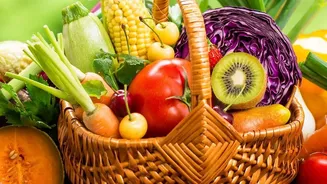
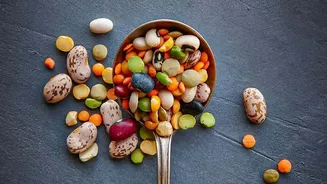
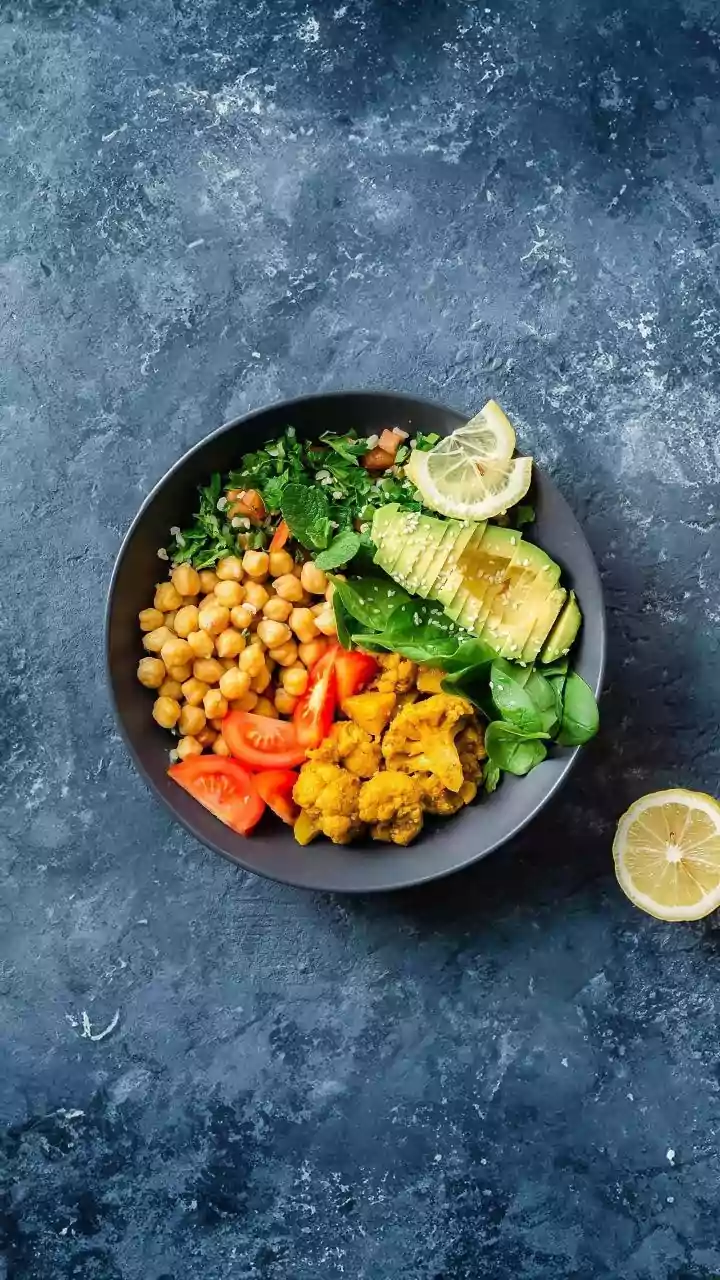
So, if a hyper-personalised microbiome diet isn't ready yet, what should you do? The advice from experts is reassuringly familiar and effective. The goal should be to encourage microbial diversity. A diet rich in a wide variety of plant-based foods—fruits, vegetables, whole grains, legumes, nuts, and seeds—is the most consistent way to support a healthy gut ecosystem. These foods provide different types of fibre and prebiotics that feed a wide array of beneficial bacteria. Fermented foods like yogurt can also contribute beneficial microbes. Instead of focusing on individual 'superfoods' or complex plans, the evidence points towards the benefits of whole dietary patterns that are high in fibre and low in heavily processed items.