







Start With Official Cyclone Alerts
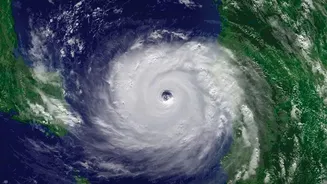
Before checking any specific transport service, your first step should be to understand the storm's threat level and the official advice for the region. The India Meteorological Department (IMD) is the designated agency for tracking and issuing warnings
for cyclones. Their website and official mobile apps like 'Mausam' and 'Umang' provide real-time updates on the cyclone's path, intensity, and expected landfall. The National Disaster Management Authority (NDMA) translates these warnings into actionable safety guidelines, including travel advisories and evacuation orders. Check the NDMA and your state's disaster management authority (SDMA) websites for official announcements. If authorities advise against non-essential travel, cancel your plans. These top-level advisories are the most critical piece of information for your safety.
Verifying Indian Railways Train Status
Cyclones frequently lead to widespread cancellation and rescheduling of train services as a precautionary measure. Indian Railways will not operate services in areas where wind speeds pose a risk. Your primary tool for checking train status is the National Train Enquiry System (NTES) website and mobile app. Here, you can check the live running status of a specific train, view the list of cancelled or diverted trains, and see any rescheduled timings. The railway helpline number, 139, is another reliable source for information, accessible from any phone. Do not rely on third-party websites that may not have the most current information. Always cross-verify with official announcements from Indian Railways or the relevant zonal railway, like the South Coast Railway, which has been issuing specific bulletins for Cyclone Arnab.
Checking State and Private Bus Services
Verifying bus services, especially in rural areas, can be more challenging than checking trains. Each state has its own State Road Transport Corporation (SRTC), such as RSRTC in Rajasthan or GSRTC in Gujarat, which operates inter-district routes. During a cyclone, these corporations will post updates on their official websites and at major bus stations. Find the website or helpline for the SRTC in the state you are traveling through. For Cyclone Arnab, the governments of Andhra Pradesh and Odisha have been proactive in managing transport. However, many rural routes are served by private bus operators. Information for these services is highly localised. The best approach is to contact local agents or the bus stand in the specific town or village directly if you have their contact information. Do not assume a bus is running just because there is no official cancellation notice online.
Assessing Local Road and Route Conditions
Even if a bus or train is technically running, the roads and tracks to reach your final destination may be impassable. Cyclones cause flash floods, uprooted trees, and landslides that can sever local road links with little warning. National and state highways are generally cleared first, but rural and village roads can remain cut off for days. Official sources like the NDMA may issue general warnings about road conditions. However, for hyper-local information, you must rely on local contacts. Speak to residents, shopkeepers, or panchayat members in the destination village. They will have the most accurate, on-the ground information about whether local roads are flooded, blocked, or damaged. Local police stations are also key sources of information on traffic disruptions.
Use Digital Tools With Caution
While digital mapping services can show traffic disruptions, their information during a natural disaster may be incomplete or delayed. They are useful for a general overview but should not be your only source. Several news outlets and weather-focused websites provide live trackers for Cyclone Arnab, which aggregate data from the IMD. These can be helpful for visualizing the storm's path but remember that the official IMD bulletin is the primary source. During and after the storm, power outages and network congestion can render many digital tools useless, especially in rural areas. Having a batterypowered radio for official broadcasts and saving key helpline numbers on your phone is a crucial backup.