







Beyond the Beachside Cafe
The quintessential image of a digital nomad—hunched over a laptop in a bustling café, nursing a single coffee for hours to justify using the Wi-Fi—is becoming outdated. As remote work solidifies from a temporary fix into a permanent lifestyle for many,
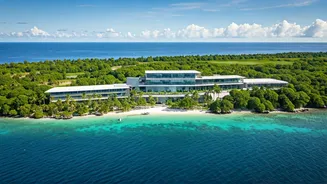
professionals are seeking more than just a decent internet connection and a power outlet. They are looking for community, purpose, and a better work-life balance. This search is leading them to an unlikely destination: eco-conscious resorts in Bali, which are transforming from holiday getaways into fully-fledged productive sanctuaries. This isn’t just about upgrading the view from your Zoom calls; it’s a fundamental shift towards integrating work with wellness and environmental responsibility. Nomads are no longer content to just exist in a place; they want to connect with it.
Why Bali Remains the Epicentre
Bali has long been a magnet for wanderers, but its appeal for digital nomads has intensified. The island offers a potent mix of affordability, a vibrant expatriate community, and world-class infrastructure. Post-pandemic, Indonesia has leaned into this trend, launching a 'Second Home Visa' that allows affluent foreigners to live and work in the country for up to 10 years. This policy shift provides the stability that career-focused nomads crave. But the island’s real magic lies in its unique culture, which emphasizes spiritual balance and a deep connection to nature. This ethos resonates powerfully with a generation of workers burnt out by corporate hustle culture. From the surf-friendly coasts of Canggu to the spiritual heartland of Ubud, Bali provides a diverse backdrop for a new kind of workday, one that starts with a yoga session and ends with a sunset over rice paddies.
Defining the 'Eco' Workspace
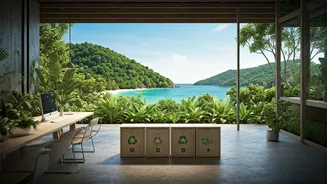
The term 'eco-friendly' can often feel like a vague marketing buzzword, but in Bali, a new wave of resorts is giving it tangible meaning. These aren't just hotels that have eliminated plastic straws. They are built on principles of sustainability. Many feature architecture constructed from locally sourced bamboo, a fast-growing and renewable resource. They operate on solar power, practice meticulous waste management and water recycling, and cultivate organic gardens that supply their farm-to-table restaurants. More importantly, their ethos extends to the community. They often employ locals, support nearby artisans, and offer guests opportunities to engage in conservation projects, such as coral reef restoration or local clean-up drives. For the digital nomad, this means their presence contributes positively to the local environment and economy, transforming a work trip into a more meaningful stay.
The New 9-to-5: Productivity and Peace
Life at an eco-resort workspace is a carefully crafted blend of focus and freedom. These establishments understand that their guests are not on vacation. They provide the essentials for deep work: high-speed, reliable internet, quiet co-working zones with ergonomic seating, and private meeting pods. However, they integrate these features into a setting designed for holistic well-being. A typical day might involve a few hours of focused work in an open-air bamboo pavilion, followed by a communal lunch made from fresh, local ingredients. The afternoon could be spent surfing, joining a breathwork class, or simply reading by a natural rock pool. This structure challenges the traditional work-life binary. Instead of separating work from leisure, it weaves them together, promoting the idea that peak productivity is achieved not by grinding longer hours, but by living a more balanced and restorative life.
Is This the Sustainable Future of Work?
While the trend is compelling, it’s not without its challenges. The influx of remote workers can put a strain on local resources and contribute to issues like rising rents and cultural displacement if not managed responsibly. The onus is on both the resorts and the nomads to practice what they preach, ensuring their impact is genuinely positive. Critics also point to the potential for 'greenwashing,' where sustainability claims are more about marketing than actual practice. However, the movement towards eco-conscious work-travel signals a significant evolution in our professional values. It reflects a growing desire for a career that doesn't demand the sacrifice of personal well-being or planetary health. It proposes a future where professional ambition and a mindful, sustainable lifestyle are not mutually exclusive but deeply intertwined.