

The Khoya and Mawa Problem
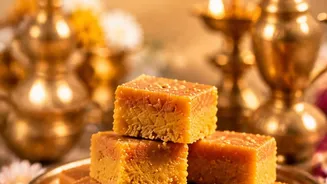
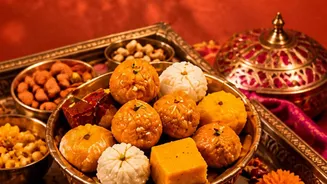
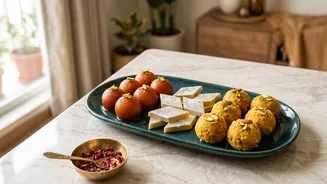
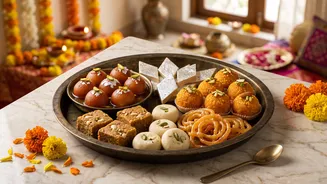
Khoya, or mawa, is the heart of many beloved Indian sweets, but it is also one of the most commonly adulterated ingredients. Unscrupulous sellers often add starch, flour, blotting paper, and even urea to increase its weight and bulk, especially to meet
high festive demand. Pure khoya has a slightly grainy texture, an oily feel, and a rich, milky aroma. A simple way to check for purity at home is with an iodine test, recommended by the Food Safety and Standards Authority of India (FSSAI). Boil a small sample of khoya in water, let it cool, and then add a few drops of iodine tincture. If the mixture turns blue, it confirms the presence of starch. Another quick check is to rub a small amount of mawa on your palm; pure mawa will feel slightly greasy and leave an oily residue, while adulterated versions may feel pasty or dry.
Is That Silver Vark Real?
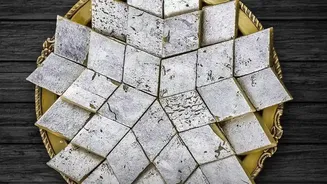
The delicate, shimmering silver leaf known as 'vark' adds a touch of luxury to festive sweets, but fake versions made from aluminum are a common and dangerous substitute. Genuine silver vark is incredibly thin and should disintegrate with a gentle touch. A reliable test is to gently rub the foil between your forefinger and thumb. Real silver is so fine that it will dissolve into your skin, leaving behind no residue. In contrast, aluminum foil is not edible and will not dissolve; instead, it will roll up into a tiny, solid ball. Visually, authentic silver vark has a subtle sheen, whereas aluminum foil often looks unnaturally bright and metallic. Given the health risks associated with ingesting aluminum, this is a crucial check to perform.
Checking for Milk and Paneer Purity
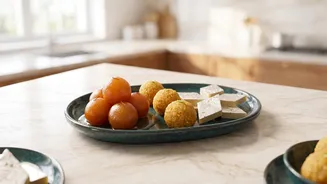
Milk and its derivatives like paneer are also susceptible to adulteration. Detergent is sometimes added to milk to create a frothy appearance, while water is used to increase volume, reducing its nutritional value. To test for detergent, take a small amount of milk in a bottle with an equal amount of water and shake it vigorously. If it forms a dense, thick lather, it is likely adulterated; pure milk will only form a thin layer of foam. For paneer, you can check for adulterants like starch by boiling a small piece in water, cooling it, and adding a drop of iodine. A blue colour indicates adulteration. Real paneer should be soft and crumble easily, with a milky taste, while fake versions can feel rubbery.
Beware of Bright, Artificial Colours
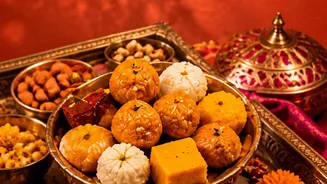
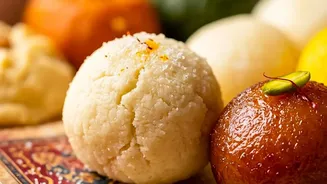
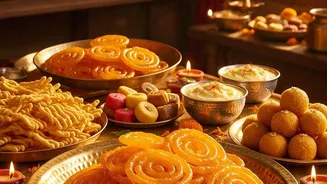
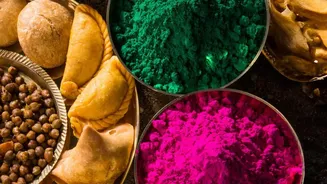
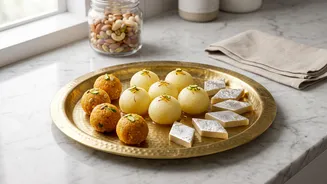
Vibrantly coloured sweets on display can be tempting, but excessively bright hues are often a red flag for non-permitted and potentially harmful artificial dyes. Chemicals like metanil yellow are sometimes used to give sweets a bright yellow or orange appearance, but they can pose serious health risks. A general rule of thumb is to be cautious of any sweet that looks unnaturally colourful. Opt for sweets with more subdued, natural colours. When in doubt, it is always safer to choose sweets from their natural colour palette, like the creamy white of rasgulla or the rich brown of milk cake, rather than those with neon-bright colouring.
Smart Shopping and General Tips
Beyond specific tests, being a vigilant consumer is your best defence. Always try to purchase sweets from reputable, licensed vendors. Check if the shop displays its FSSAI license number, which is a sign of compliance with food safety standards. For loose sweets, FSSAI has mandated that sellers display the 'manufacturing date' and 'best before date' to ensure freshness. Trust your senses—if a sweet smells off, has a strange aftertaste, or an unusual texture, it's best to avoid it. Don't be swayed by unusually low prices, as this can often be an indicator of inferior or adulterated ingredients. Whenever possible, preparing sweets at home gives you complete control over the quality of ingredients, ensuring a truly safe and happy festive season for your loved ones.