




The Modern Breakfast Dilemma
Life in Maharashtra, particularly in its fast-paced urban centres, is a whirlwind of deadlines, commutes, and shrinking personal time. This hectic lifestyle has triggered a shift in dietary habits, with a growing demand for meals that are quick to prepare,
nutritious, and comforting. Many households find themselves caught between the desire for traditional, wholesome food and the convenience of processed options. This is where classic dishes like poha and upma are finding a renewed purpose. They offer a perfect middle ground: the speed of a modern meal without compromising on the health benefits and flavour of a traditional Indian breakfast.
Poha: A Nutritional Powerhouse
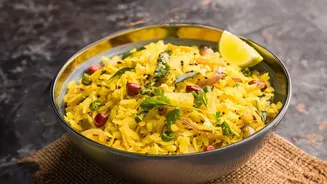
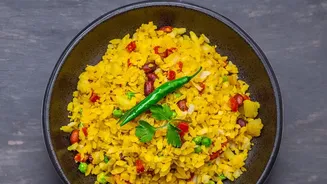
Poha, made from flattened rice, has long been a breakfast staple in the state. Its recent surge in popularity is tied to a greater awareness of its impressive nutritional profile. It's incredibly light on the stomach and easy to digest, making it an ideal start to the day. Poha is naturally gluten-free, catering to a growing segment of the population with specific dietary needs. Furthermore, it is a good source of healthy carbohydrates that provide sustained energy and is rich in iron. The traditional method of preparing poha with turmeric, curry leaves, onions, and peanuts also adds a dose of antioxidants and essential fats, creating a well-rounded and satisfying meal.
Upma: Wholesome and Versatile
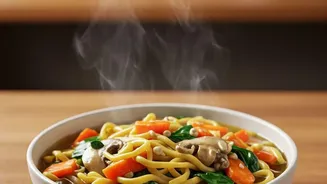
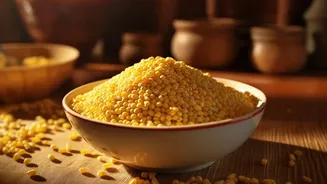
Upma, a thick porridge made from dry-roasted semolina (rava or suji), is another breakfast champion gaining favour. While often associated with South India, it is a popular and comforting dish across Maharashtra. Its primary advantage lies in its satiety factor; being rich in protein and complex carbohydrates, upma keeps you feeling full for longer, preventing mid-morning snack cravings. It serves as an excellent vehicle for vegetables like peas, carrots, and beans, easily boosting its fibre and vitamin content. Semolina is also a good source of B-complex vitamins, which are crucial for energy metabolism. This combination makes upma a go-to for those needing a hearty, energy-boosting start to a long day.
Convenience Without Compromise
Perhaps the most significant reason for the resurgence of poha and upma is their sheer convenience. Both dishes can be prepared in under 20 minutes, a critical factor for busy individuals and families. Unlike complex breakfast preparations, they require minimal ingredients and straightforward cooking techniques. This speed and simplicity mean that a healthy, home-cooked meal is always an achievable option, even on the most hectic mornings. This return to traditional, quick-cooking recipes reflects a broader trend of seeking wellness solutions that fit seamlessly into a modern lifestyle, proving that healthy eating doesn't have to be complicated or time-consuming.
A Nod to Health-Conscious Governance
The push for healthier eating is also being echoed at the state level. The Maharashtra government recently mandated that healthy foods, including vegetable poha and vegetable upma, be served in government canteens and at official meetings. This initiative aims to combat the rising incidence of lifestyle diseases like diabetes and hypertension by promoting traditional, nutritious meals over processed snacks. By encouraging items low in salt, sugar, and unhealthy fats, the government is not only endorsing these dishes but also validating their role in a balanced, modern diet. This official stamp of approval reinforces the idea that these traditional breakfasts are a smart choice for everyone.