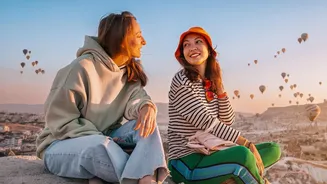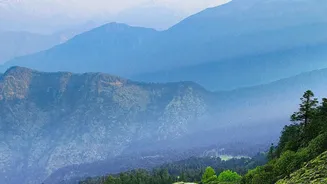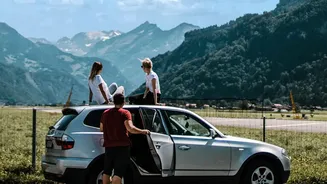

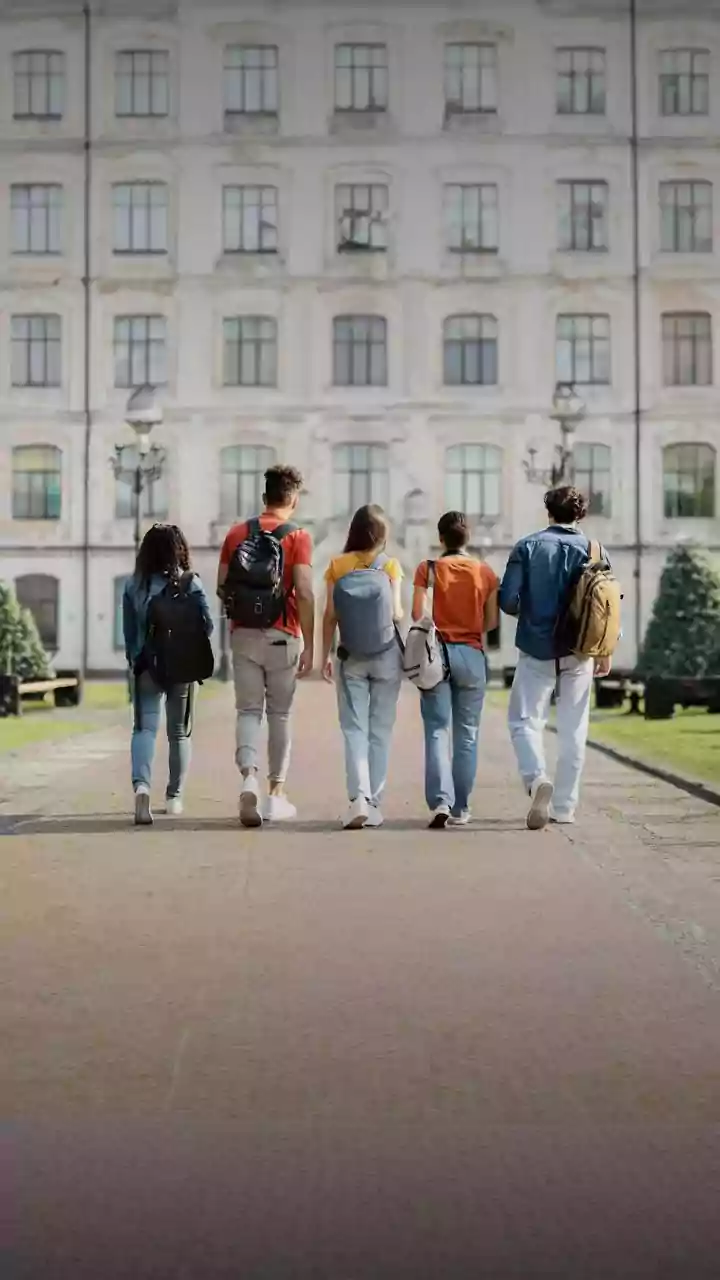




The great Indian holiday is getting a makeover. The long-cherished tradition of a single, planned-out annual vacation is giving way to a more spontaneous travel style, thanks to Gen Z's preference for flexibility and frequency.
The End of the Annual Leave Ritual
For generations, vacations
were built around a simple formula: save up your leave, plan months in advance, and take one big trip a year. But for young Indians today, that model is starting to feel as dated as a landline phone. A new travel culture is emerging, driven by Gen Z’s different priorities. According to a recent Airbnb report, a staggering 70% of Indian Gen Z travellers prefer taking three short trips over one long annual holiday. The same study found that 87% favour trips that last less than a week, signalling a major shift away from the classic two-week getaway. This isn’t just a trend; it's a fundamental redefinition of what a holiday is for an entire generation.
Flexibility Is the New Luxury
So, what's driving this change? A major factor is the modern work-life reality. With demanding careers, side hustles, and the rise of flexible work models, taking a long, uninterrupted break can be a logistical nightmare. Short, frequent breaks—often called 'micro-cations'—offer a more practical way to recharge without disrupting work commitments. These trips are easier to plan, more budget-friendly, and provide multiple opportunities to escape burnout throughout the year. The rise of 'bleisure' travel, where business trips are extended for a few days of leisure, also fits perfectly into this mindset. For many, the ability to pack a bag and leave on short notice is a greater luxury than a five-star hotel.
Spontaneity and Experiences Over Itineraries
This new generation of travellers is decidedly anti-itinerary. For them, travel is less about executing a perfect plan and more about collecting authentic experiences. Data shows that 66% of Gen Z travellers in India book their trips within just days or weeks of departure, not months in advance. This spontaneity is powered by technology, with booking platforms making it easy to find last-minute flights and stays. This generation values the small, personal moments on a trip far more than seeing famous attractions. Instead of rushing between landmarks, they prefer to immerse themselves in a place, whether that means exploring a local market, trying street food, or simply relaxing and doing nothing at all. In fact, two in three travel with the explicit goal of resting, not sightseeing.
The Stay Becomes the Destination
Another defining feature of this trend is that the accommodation itself is often the main attraction. For Gen Z, where they stay is a reflection of their personal taste and a key part of the experience. An overwhelming 82% consider the stay to be very important when planning a trip. Unique stays like boutique homestays, cabins in the mountains, or beachside villas are no longer just a place to sleep; they are the destination. This focus on the stay explains why many young travellers spend a significant portion of their trip time—up to half, according to one report—simply enjoying their accommodation. It's about finding a space that feels personal and unique, a philosophy that has fuelled a boom in demand for non-traditional, curated lodging options.
What This Means for Indian Travel
This shift has massive implications for India's tourism industry. Destinations that are easily accessible from major metro cities for a weekend trip are seeing a surge in popularity. Think of quick getaways from Delhi to the hills of Himachal or Uttarakhand, from Mumbai to the beaches of Goa, or from Bengaluru to the coffee plantations of Coorg. The demand is for experiences that are authentic, affordable, and shareable on social media platforms like Instagram and TikTok, which are major sources of travel inspiration for this generation. As India's 377-million-strong Gen Z cohort becomes an even bigger economic force, their preference for shorter, more meaningful trips will continue to shape where, when, and how we travel.