





The Unseen Cost of Celebration
For generations, the culmination of Ganesh Chaturthi involved the visarjan, or immersion, of Ganesha idols in rivers, lakes, and oceans. While deeply symbolic, the modern version of this practice has become an environmental crisis. The main culprit is Plaster
of Paris (PoP), a material that became popular for its low cost and ease of moulding. Unlike traditional clay, PoP is calcium sulphate hemihydrate — it does not dissolve in water. Instead, it sinks, forming a dense, insoluble layer that chokes aquatic ecosystems. The synthetic paints used on these idols often contain heavy metals like lead, mercury, and cadmium, which leach into the water, poisoning aquatic life and contaminating water sources used by communities downstream. The scene after visarjan is often heartbreaking: broken idols littering riverbanks and coastlines, a stark reminder of the festival's environmental toll.
The Return to Tradition: Clay and Shadu Mati
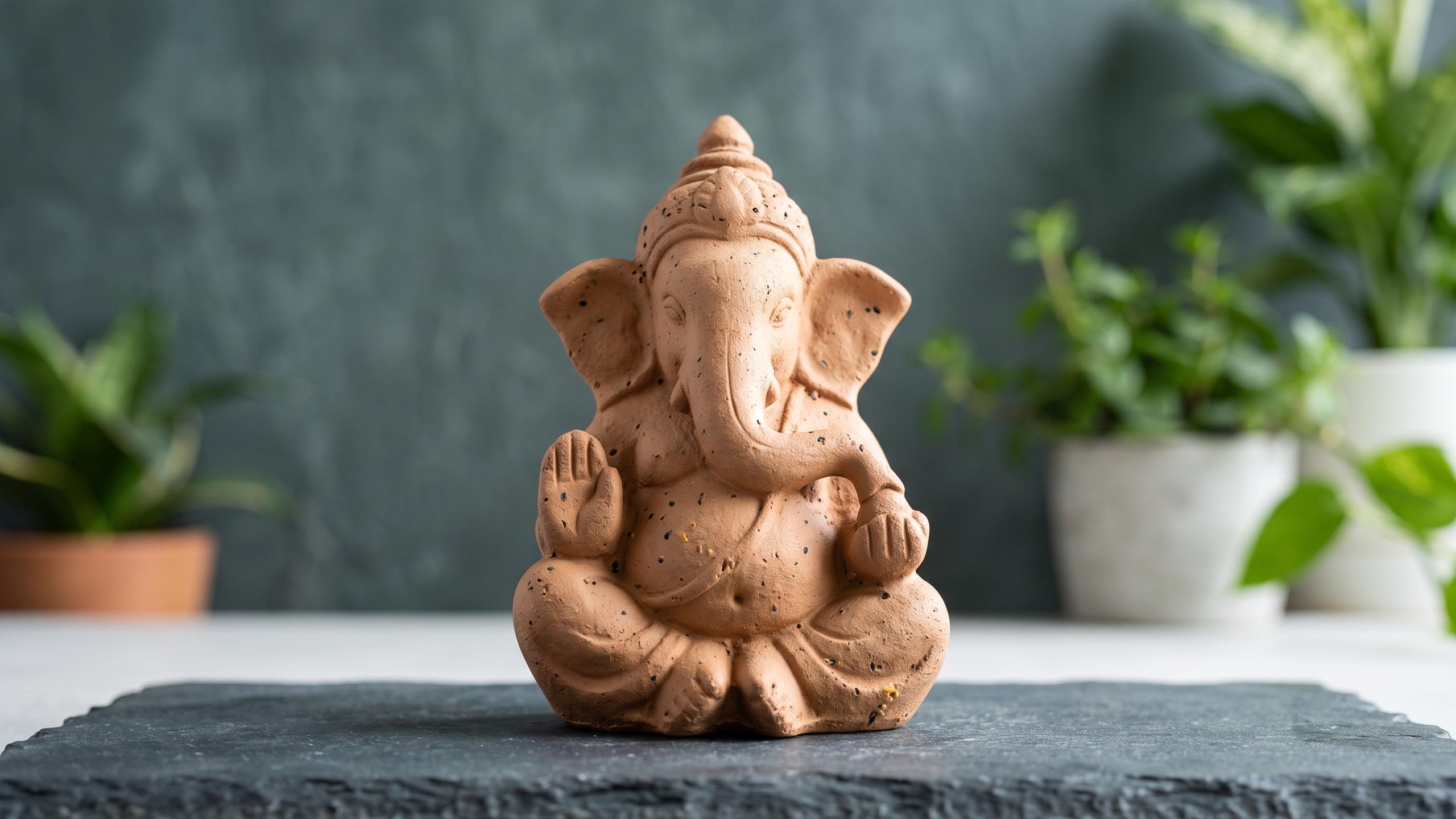
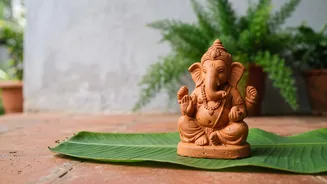
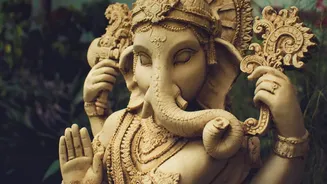
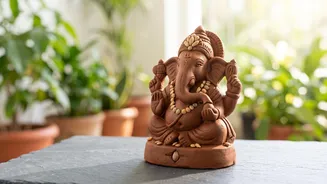
The most powerful solution to this problem is not a new invention, but a return to ancient practice. Before PoP, idols were traditionally made from natural, biodegradable materials, principally 'shadu mati' or river clay. These idols are crafted from the earth and are designed to return to it harmlessly. Clay idols dissolve completely in water within hours, leaving no toxic residue behind. This shift back to clay supports local artisans who possess the traditional skills for sculpting, often passed down through generations. By choosing a clay idol, devotees not only prevent pollution but also help preserve a rich cultural heritage that was being overshadowed by mass-produced PoP idols.
A New Idea Blooms: The Seed Ganesha
Taking the concept of sustainability a step further is the innovative and beautiful idea of the 'Seed Ganesha'. These are eco-friendly clay idols with plant seeds embedded within them. The idol is made from a mixture of natural clay, soil, and organic fertilisers, with seeds of vegetables like spinach and tomato, or flowering plants, placed inside the clay mix before it is sculpted. The colours used are natural dyes derived from sources like turmeric, beetroot, and henna, ensuring the entire idol is non-toxic and organic.
Visarjan Reimagined: From Immersion to Germination
The true magic of a seed idol lies in its visarjan. Instead of being carried to a crowded and polluted water body, the ritual is performed at home. The idol is placed in a pot or a bucket of water. Over a few hours, the clay dissolves, creating nutrient-rich soil. This water and dissolved clay mixture is then poured into a larger pot or a garden patch. The visarjan transforms from an act of farewell and disposal into an act of creation. It becomes a symbolic and literal planting. Lord Ganesha, the remover of obstacles, doesn't just disappear; he transforms and stays with the family in a new form.
Why It's the Most Sustainable Choice
While simply using a clay idol is a huge step towards a greener festival, the seed-embedded idol offers a unique, regenerative benefit. It doesn't just achieve a neutral impact (avoiding pollution); it creates a positive one. A new plant is born from the ritual. This completes the ecological cycle in the most profound way, embodying the festival's themes of birth, renewal, and life's cyclical nature. The celebration leaves behind a living, breathing plant that provides oxygen, beauty, and a constant reminder of a festival celebrated with true respect for both tradition and nature. It is a gift back to the Earth, making it arguably the most complete and sustainable way to honour Lord Ganesha.