

The Hidden Costs of Renting
Renting snorkel gear on a whim seems convenient, but the costs quickly add up. A full set of a mask, snorkel, and fins can cost anywhere from €10 to €25 per person, per day at various Greek dive shops and beach huts. For a family of four on a week-long
holiday, daily rentals could easily exceed the cost of buying brand-new, quality equipment that you can use for years to come. Beyond the price, rental gear often suffers from heavy use. You might be faced with leaky masks, uncomfortable fins that cause blisters, or snorkels of questionable hygiene. A poorly fitting mask that constantly fills with water can ruin an otherwise magical underwater experience.
The Freedom to Explore Spontaneously
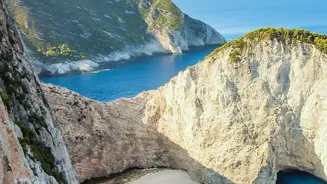
One of the greatest joys of exploring the Greek islands is discovering a deserted cove or a quiet stretch of coast far from the main tourist hubs. These are often the most pristine spots for snorkeling, but they rarely come with equipment rental shacks. Having your own gear in the boot of your rental car or in your backpack means you can jump in for a swim whenever and wherever the mood strikes. You are not tied to the operating hours of a dive centre or restricted to the handful of beaches that offer rentals. This freedom allows for spontaneous adventures, whether it's an early morning swim before the crowds arrive or a quick dip at a remote beach you've stumbled upon during a coastal hike.
Greece's Peaceful Snorkeling Havens
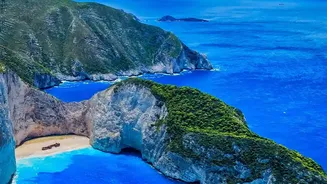
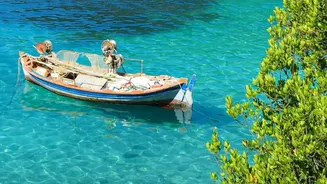
While Greece may not have the vibrant coral reefs of the Caribbean, it offers a unique underwater world of dramatic rock formations, sea caves, and meadows of seagrass. For a peaceful experience, consider skipping the busiest islands in peak season. The Ionian islands, such as Lefkada and Corfu, are known for their calm, clear waters and rocky coves teeming with life. In the Cyclades, islands like Folegandros and Naxos offer a quieter alternative to their famous neighbours, with excellent visibility and the chance to spot octopus and even sea turtles. The Peloponnese peninsula is considered one of Greece's best-kept secrets, with sheltered bays in the Messinia region like Finikounda and Methoni offering tranquil snorkeling away from the crowds.
What to Pack and How to Pack It
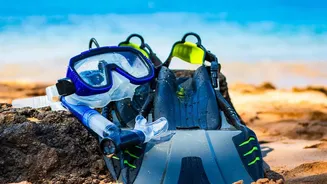
Bringing your own gear doesn't have to mean overpacking. Modern travel snorkel sets are lightweight and compact. When choosing gear, prioritize a high-quality mask that fits your face perfectly to prevent leaks. Test the fit in the store by holding it to your face and inhaling through your nose; if it stays in place without the strap, you have a good seal. Travel-sized fins are shorter and more flexible than their professional counterparts, making them easier to pack. A 'dry-top' snorkel, which has a valve to prevent water from entering the tube, is another worthwhile investment for a more comfortable experience. To save space, stuff socks or other small items inside the foot pockets of your fins and lay the mask flat in your suitcase, protected by clothes.
The Verdict: Comfort, Cost, and Control
While some travel experts argue against packing bulky items, the consensus among frequent snorkelers is that for this particular activity, bringing your own is worth it. The main reasons are comfort, hygiene, and control over your experience. You know the gear fits, you know it's clean, and you can explore Greece's stunning coastline on your own terms. For a trip where you plan to be in the water more than once or twice, the small investment in your own equipment pays for itself not just in saved rental fees, but in the quality and freedom of your underwater adventures.