



Your Muscles' Constant Cycle of Repair
Muscle repair isn't just for bodybuilders or athletes. Every day, our muscles undergo a process of breakdown and rebuilding, known as muscle protein turnover. Simple activities, from carrying groceries to climbing stairs, create microscopic tears in muscle fibres.
This is a normal and necessary process. For our muscles to heal and become stronger, they need the right raw materials. This is where protein, and more specifically its components, comes into play. The body requires a steady supply of these materials to efficiently manage this constant repair cycle, ensuring you feel strong and ready for the next day's activities.
Amino Acids: The Building Blocks of Life
Think of protein as a long chain made of individual links. These links are called amino acids. When you eat protein-rich food, your body breaks it down into these amino acids, which are then used for various functions, including building new muscle tissue. There are 20 amino acids, nine of which are considered "essential amino acids" (EAAs). The body cannot produce these nine on its own, so they must be obtained through your diet. For muscle repair to happen effectively, all nine essential amino acids need to be available at the same time. This is why consuming foods with a robust amino acid profile is crucial for recovery and overall strength.
The Nutritional Power of Chana
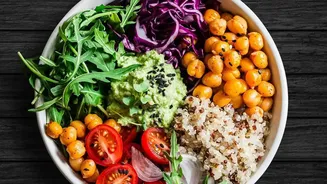
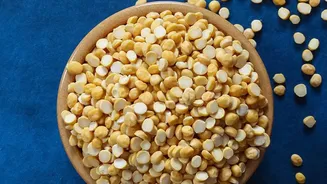
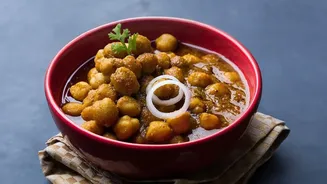
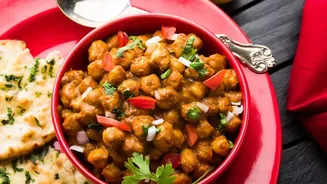
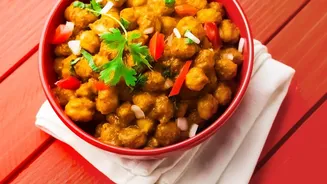
Chana, also known as chickpeas, is a staple in Indian cuisine for good reason. It is a nutritional powerhouse, packed with protein, fibre, and essential minerals like iron and manganese. A 100-gram serving of raw kala chana (black chickpeas) can contain around 19-20 grams of protein, making it an excellent plant-based source. While chana contains all nine essential amino acids, it is relatively low in one called methionine. However, this doesn't diminish its value, especially when we consider a simple, traditional preparation method that dramatically enhances its nutritional profile: sprouting.
The Magic of Sprouting
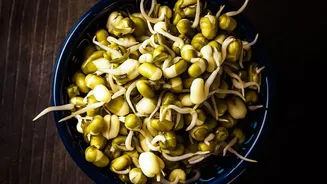
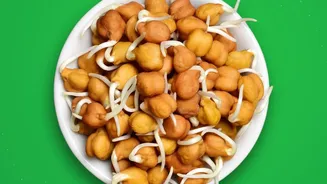
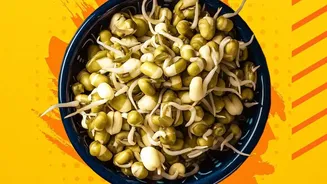
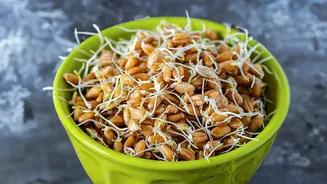
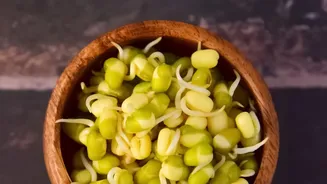
Sprouting is the process of germinating seeds, and it works wonders on legumes like chana. When you soak chana and allow it to sprout, you are essentially activating the dormant seed into a living plant. This transformation has several key benefits. First, it makes nutrients more bioavailable. Sprouting reduces compounds like phytic acid, which can hinder the body's ability to absorb minerals like iron and zinc. Second, the process increases the content of vitamins like Vitamin C and B-complex vitamins, which are virtually absent in the dry seeds. Most importantly for muscle repair, sprouting improves the overall amino acid profile and makes the protein more digestible.
Unlocking Amino Acids Through Sprouting
The real breakthrough in sprouting chana lies in how it affects protein quality. The germination process breaks down complex proteins into simpler, more easily usable amino acids. While the total protein content by weight might seem to decrease slightly because of the increased water content (around 7-9 grams per 100g of sprouted chana), its quality and digestibility skyrocket. Studies show that the digestibility of chickpea protein can increase from around 70% to upwards of 90% after sprouting. This means your body can more efficiently absorb and utilise those crucial amino acids, including leucine, which is a key trigger for muscle protein synthesis. This makes sprouted chana an incredibly effective food for supporting daily muscle maintenance and repair.
Easy Ways to Enjoy Sprouted Chana
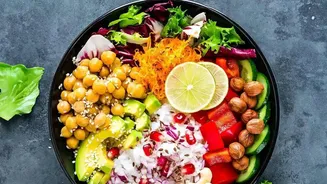
Incorporating this superfood into your diet is simple. To make your own, rinse kala chana thoroughly and soak it in water overnight. The next day, drain the water, wrap the chana in a damp cloth, and leave it in a warm, dark place. Rinse and re-wrap every 12 hours. Within a day or two, you'll see small white sprouts. Once sprouted, they can be eaten raw, lightly steamed, or roasted. A popular way to enjoy them is in a simple salad or chaat. Mix the sprouted chana with chopped onions, tomatoes, cucumber, and coriander. Season with a squeeze of lemon juice, rock salt, and a pinch of chaat masala for a delicious, protein-packed snack that fuels your muscles and delights your taste buds.