



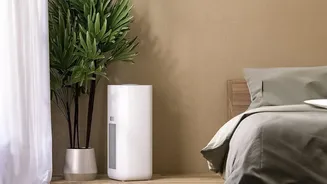
We all want to breathe cleaner, healthier air at home, but the advice can be confusing. Do you need an expensive air purifier, or will a few houseplants do the trick? Let's clear the air on what truly makes a difference indoors.
The Foundation: What is Ventilation?
Before we talk about cleaning
the air, we need to talk about replacing it. Ventilation is simply the process of bringing fresh outdoor air into your home and moving stale indoor air out. This can be done naturally by opening windows and doors, or mechanically with exhaust fans and whole-home systems. Ventilation is your first line of defense against the buildup of indoor pollutants like carbon dioxide (from breathing), moisture (from cooking and showering), and various household odors. Its main job is dilution. By swapping out the air, you reduce the concentration of everything lingering inside. However, ventilation has a major drawback: it brings the outside world in. If you live in an area with high pollen counts, traffic pollution, or smoke, opening the windows can sometimes make your indoor air worse.
The Mechanical Cleaner: How Air Purifiers Filter Air
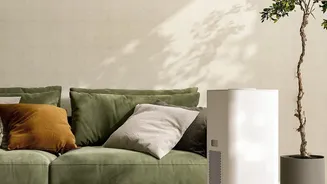
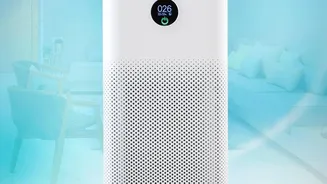
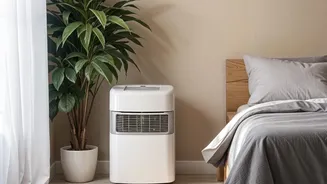
This is where filtration comes in. Unlike ventilation, which replaces air, filtration cleans the air that's already in the room. An air purifier works by pulling in ambient air, passing it through a series of filters, and pushing the cleaner air back out. The star of this show is usually the HEPA (High-Efficiency Particulate Air) filter. A true HEPA filter is a physical mesh designed to mechanically trap 99.97% of airborne particles down to 0.3 microns in size. This includes common irritants like dust, pet dander, pollen, and mold spores, which is why purifiers are so effective for people with allergies. Many purifiers also include an activated carbon filter. This type of filter uses porous carbon to adsorb gases and volatile organic compounds (VOCs)—think smells from cooking, smoke, or chemicals from new furniture—that HEPA filters can't catch.
The Green Myth: The Truth About Houseplants
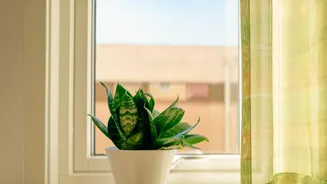
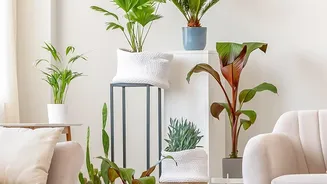
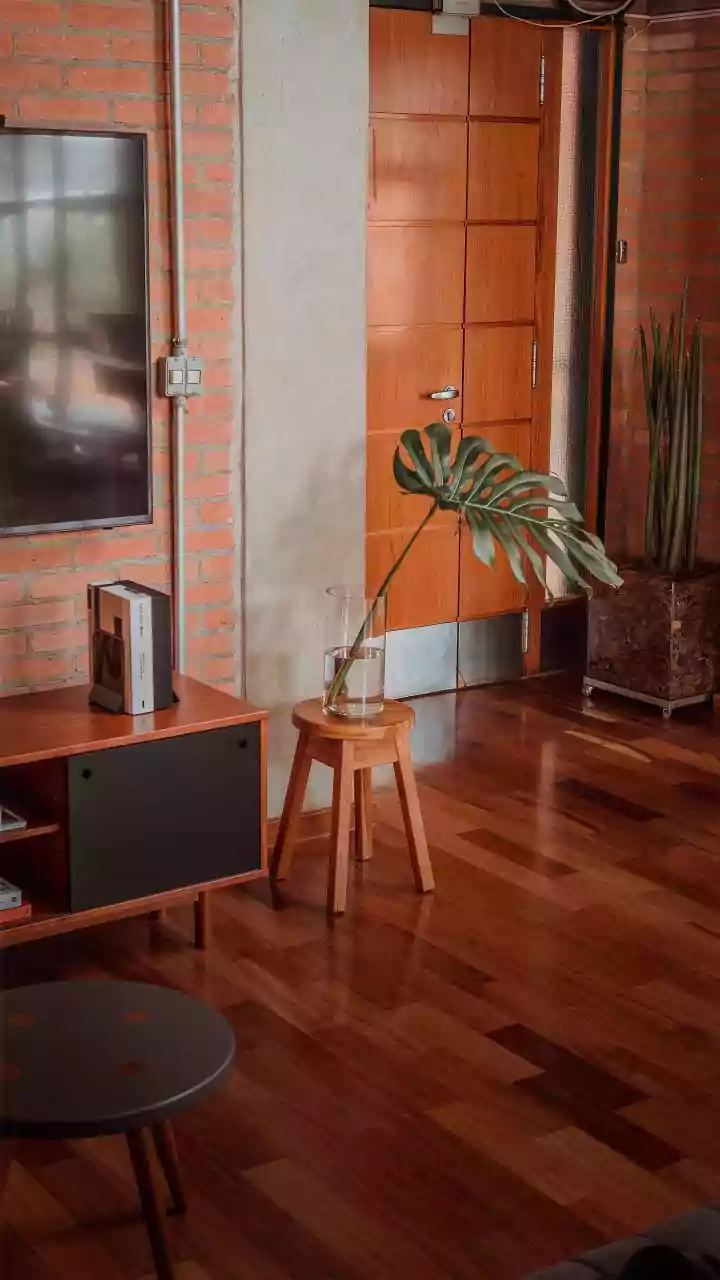
For decades, we've heard that houseplants are nature's air purifiers. This idea comes largely from a 1989 NASA study that found certain plants could remove VOCs from the air. While scientifically true in the context of the experiment, the results have been widely misinterpreted. The NASA study was conducted in small, sealed chambers—not a typical, drafty house or apartment. Subsequent research has shown that to replicate those results in a real-world setting, you would need an impossibly large number of plants. One study calculated you'd need anywhere from 10 to 1,000 plants per square meter to compete with a building's standard air exchange rate. While plants do absorb a tiny amount of pollutants and convert CO2 to oxygen, their effect on indoor air quality is practically negligible compared to ventilation or mechanical filtration.
The Verdict: Filtration vs. Plants
When it comes to actually cleaning the air of particles and allergens, there is no contest: an air purifier with a HEPA filter is thousands of times more effective than a houseplant. Plants cannot remove dust, dander, or pollen from the air. In fact, if not cared for properly, their soil can even harbor mold, potentially worsening air quality. Air purifiers are purpose-built machines designed to remove huge volumes of airborne particles quickly and efficiently. A houseplant's primary benefits are aesthetic and psychological. They make a space feel more vibrant and alive, reduce stress, and can even boost your mood—all wonderful things, but they are not a functional air cleaning solution.
The Best Strategy: A Layered Approach
So,' what''s the best way to achieve clean indoor air? The answer isn''t to pick one method,' but to combine them.' Start with a foundation of good ventilation to prevent stale air and reduce the buildup of CO2 and odors.' Use it when outdoor air quality is good.' For the pollutants ventilation can''t handle or when outdoor air is poor,' use an air purifier with both HEPA and activated carbon filters to remove particles and gases.' Finally,' fill your home with houseplants for their beauty and the wellness benefits they provide.' Think of it this way:' ventilation is for freshness,' filtration is for cleanliness,' and plants are for well-'being.'