





First, What Is an 'Ultra-Processed Food'?
Before we bust myths, let's get the definition straight. The term comes from the NOVA classification system, which groups foods by their level of processing. Group 1 is unprocessed foods like fruit and vegetables. Group 2 is kitchen staples like oil,
salt, and sugar. Group 3 is 'processed' foods—simple combinations of the first two, like cheese, canned dal, or freshly baked bread. 'Ultra-processed foods' (UPFs) are Group 4. These are not just foods with added salt or sugar; they are industrial formulations. Think of them as products made from ingredients you wouldn't find in a home kitchen, such as protein isolates, hydrogenated oils, high-fructose corn syrup, and a host of additives like emulsifiers and artificial flavourings designed to make them hyper-palatable. Many instant noodles, packaged snacks, sugary cereals, and ready-to-eat meals fall into this category.
Myth: All Packaged Food is Ultra-Processed
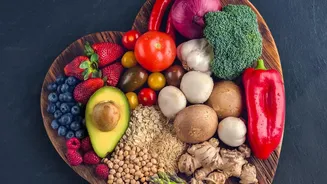
This is one of the biggest misconceptions. Processing itself isn't the enemy; in fact, it can make food safer and more accessible. A packet of plain oats, a tin of chickpeas, frozen peas, or a tub of plain dahi are all processed, but they are 'minimally processed' or 'processed'. They haven't been fundamentally broken down and rebuilt with industrial ingredients. The key difference isn't the packaging, but what's inside. A simple way to tell is to read the ingredient list. If it reads like a simple recipe you could make at home (like chickpeas and water), it’s likely not a UPF. If it's a long list of substances you don't recognise, it's time to be suspicious.
Myth: If You Can't Pronounce It, It Must Be Bad
This is a useful starting point but isn't a perfect rule. Some complicated-sounding ingredients are harmless or even beneficial. 'Ascorbic acid', for example, is just Vitamin C, and 'cyanocobalamin' is Vitamin B12. However, your intuition is pointing in the right direction. The real red flags are not just complex names, but ingredients that are clearly industrial extracts designed to replace real food. Look for terms like 'protein isolates', 'modified starch', 'hydrogenated oil', and a long list of emulsifiers, thickeners, and stabilisers. These are the hallmarks of ultra-processing, where the goal is to create a durable, hyper-tasty, and cheap-to-produce product rather than a nourishing one.
Myth: It's Just a New Name for 'Junk Food'
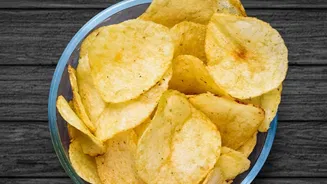
While most 'junk foods' like chips and sugary sodas are definitely UPFs, the category is much broader. The term UPF describes the process, not just the nutrient profile. For instance, a mass-produced whole-wheat bread loaded with emulsifiers, preservatives, and added sugars to keep it soft for weeks is a UPF. A plant-based burger made from soy protein isolates, flavour enhancers, and colouring agents is also a UPF. These foods might even be marketed as 'healthy' or 'natural', but they fit the definition because they are industrial formulations that bear little resemblance to their source ingredients. Research has linked high consumption of all types of UPFs—not just traditional junk food—to health issues like heart disease, diabetes, and obesity.
Myth: You Must Avoid All UPFs to Be Healthy
An all-or-nothing approach to diet often leads to guilt and failure. Complete avoidance of UPFs is impractical and unnecessary for most people. The scientific consensus points to the danger of a diet high in UPFs, not the occasional indulgence. The goal is to reduce your reliance on them, not to live in fear. Start by making small, sustainable swaps. Can you cook one extra meal from scratch this week instead of ordering in? Can you swap that packaged 'health' bar for a piece of fruit and a handful of nuts? Can that instant noodle pack be replaced with homemade poha? The focus should be on increasing the proportion of unprocessed and minimally processed foods in your diet, crowding out the ultra-processed options over time without aiming for an unrealistic standard of perfection.