





Your Basic Rights Under DGCA Rules
When your travel plans are disrupted, it’s essential to know that airlines don’t have all the power. India's aviation regulator, the DGCA, has a specific set of rules called the Civil Aviation Requirements (CAR) that outline what airlines must provide
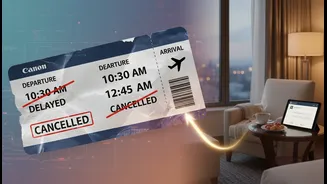
to passengers. These rules are not goodwill gestures; they are legally binding obligations for all airlines operating in India. They cover situations like denied boarding (due to overbooking), flight cancellations, and significant delays. For instance, if your flight is cancelled with little notice, the airline is generally required to offer you either an alternate flight or a full refund along with financial compensation. Understanding this foundation is key, as it establishes that you have enforceable rights as a passenger.
Delay Length Is the Critical Factor
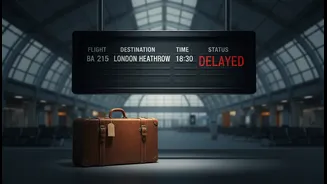
The level of assistance an airline must provide directly correlates to how long you are delayed. The rules are tiered, with your entitlements increasing as the wait time grows. For most flights, if the delay is expected to be two hours or more, the airline is obligated to provide you with free meals and refreshments. If the delay becomes significantly longer, such as six hours or more for a domestic flight, your rights expand. At this point, the airline must offer you the choice of an alternative flight or a full refund of your ticket. Should the delay stretch overnight, the airline’s responsibility increases to include free hotel accommodation and transfers to and from the airport. Importantly, these care-based entitlements (meals and hotel) often apply even if the delay is caused by factors outside the airline's control.
The 'Force Majeure' Escape Clause
This is where checking the airline's specific conditions becomes vital. While DGCA rules are clear, they include an important exception: 'force majeure' or 'extraordinary circumstances'. This refers to events beyond the airline’s control, such as extreme weather, political instability, air traffic control restrictions, or security risks. If a disruption is caused by a force majeure event, airlines are exempt from paying financial compensation. However, they are still typically required to provide care like meals and accommodation. The crucial part for passengers is that airlines sometimes classify issues that are within their control, like crew shortages or technical problems, as 'extraordinary'. Knowing this helps you question the reason provided and push back if necessary.
Why You Must Check Airline Conditions
The DGCA rules provide a baseline, but the nitty-gritty details are often buried in an airline's 'Conditions of Carriage'. This legally binding document is the contract between you and the airline. You agree to it when you book your ticket. It will detail the airline's specific policies on everything from refunds to liability and how they define 'force majeure'. For example, while the DGCA mandates refunds, the airline's conditions will specify the process and timelines. Before you fly, it's wise to find this document on the airline's website. A quick search for terms like 'delay', 'cancellation', and 'force majeure' can give you a clear picture of what the airline commits to in writing, which is your strongest ammunition if you need to argue your case at the airport.
Your Action Plan When Disrupted
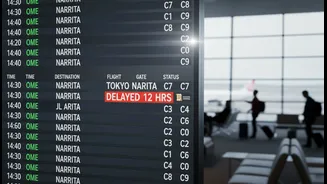
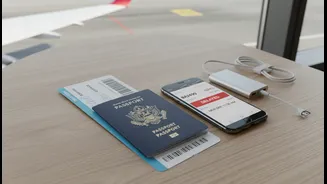
When faced with a delay, don't just wait to be told what's happening. Be proactive. First, approach the airline staff calmly and ask for the reason for the disruption in writing. Keep all your documents handy, including your boarding pass and booking confirmation. Based on the length of the delay, politely but firmly request the entitlements you're owed, whether it's a meal voucher after two hours or rebooking options after six. Document everything: take photos of departure boards, save all emails or text messages from the airline, and keep receipts for any expenses you incur. If the airline is not responsive or denies you your rights, your first step is to file a grievance directly with them. If that fails, you can escalate the complaint to the government's AirSewa portal, which is monitored by the DGCA.