




Why 'Too Much Love' Turns Deadly
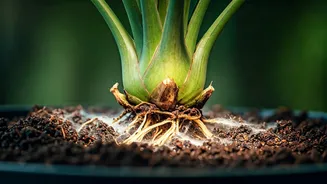
It seems counterintuitive, but overwatering doesn’t kill a plant by giving it too much to drink—it suffocates it. Plant roots need oxygen to function, which they absorb from tiny air pockets in the soil. When soil becomes waterlogged, these pockets fill
with water, effectively drowning the roots. Without oxygen, root cells begin to die. This creates an ideal breeding ground for fungi and bacteria that cause root rot, a condition where the roots turn brown, mushy, and decay. Once this happens, the plant can no longer absorb water or nutrients, leading to a slow and steady decline.
The Deceptive Symptoms of Drowning
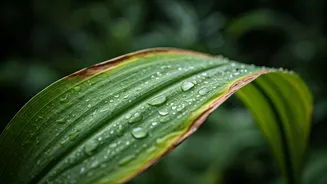
Here’s where the “sneaky” part comes in. The signs of an overwatered plant often mimic those of an underwatered one. You might see yellowing leaves, wilting, or drooping, and your first instinct is to grab the watering can again. This is a fatal mistake. When roots are rotting, they can't deliver water to the rest of the plant, so the leaves wilt as if they are thirsty. The key difference lies in the soil and the feel of the leaves. An underwatered plant will have dry, crispy leaves and soil that has pulled away from the pot's edge. An overwatered plant’s leaves will feel soft and limp, and the soil will be soggy to the touch.
How to Spot the Telltale Signs
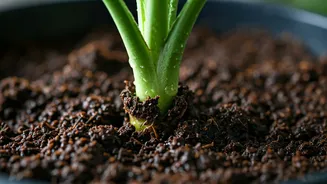
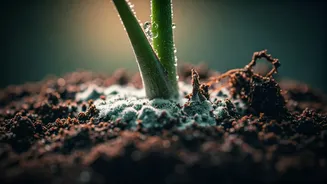
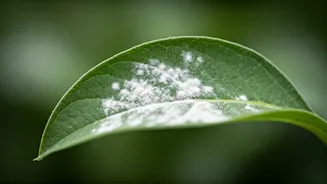
Beyond yellow, limp leaves, there are other clues your plant is getting too much water. Check for mould or a fuzzy white substance on the surface of the soil. You might also notice an influx of tiny flying insects called fungus gnats, which are attracted to damp conditions. Another dead giveaway is the smell. If you get close to the base of the plant and detect a sour, musty, or swampy odour, root rot has likely set in. Other signs include stunted growth, brown leaf edges, and water collecting in the saucer long after you've watered. If you're ever in doubt, the weight of the pot can be a reliable indicator; a waterlogged pot will feel noticeably heavier than a dry one.
The Golden Rule: Check Before You Water
Ditch the rigid watering schedule. The single most important habit for any plant owner is to check the soil moisture before watering. The easiest method is the finger test: stick your finger about two inches into the soil. If the soil feels dry at that depth, it’s time to water. If it’s still moist, wait a few more days and check again. Remember that watering needs change with the seasons; plants require less water in the winter when growth slows down. When you do water, do it thoroughly until water runs out of the drainage holes, then discard any excess from the saucer. This encourages deep root growth and flushes out any mineral buildup.
Emergency Care: Saving an Overwatered Plant
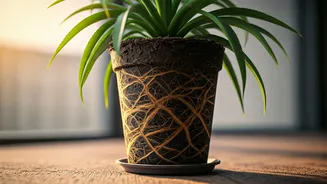
If you suspect root rot, you need to act fast. Gently remove the plant from its pot and inspect the roots. Healthy roots are firm and typically white or light tan. Rotted roots will be brown or black, feel mushy, and may easily fall apart when touched. Using clean, sharp scissors, carefully trim away all the affected roots. Be thorough, as leaving even a little rot behind can allow the problem to spread. After pruning, rinse the remaining healthy roots and repot the plant in a clean pot with fresh, well-draining soil. Do not reuse the old soil. Wait a few days before watering lightly to encourage new root growth.
Set Yourself Up for Success
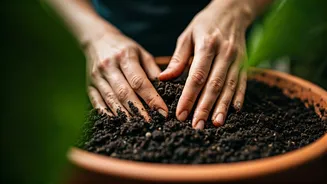
Prevention is always the best medicine. Start with the right foundation: a pot with drainage holes is non-negotiable. Next, use the right soil. Most standard potting mixes are too dense and retain too much water. For most houseplants, especially those prone to root rot, a chunky, well-aerating mix is ideal. You can create your own by mixing standard potting soil or coco coir with orchid bark and perlite or pumice. These larger components create air gaps, ensuring oxygen can always reach the roots. Aerating the soil occasionally by gently poking holes with a chopstick can also prevent compaction and improve drainage.