





The Modern Quest for a Quick Fix
The modern beauty landscape is dominated by a single-minded focus on 'actives'. From vitamin C serums promising brightness to retinol creams hailed as the gold standard for anti-ageing, the approach is often reductionist. We are encouraged to isolate
a problem—like fine lines or dullness—and target it with a potent, lab-proven ingredient. This method can deliver fast, visible results by focusing on specific cellular mechanisms like boosting collagen or speeding up cell turnover. However, this approach often treats the skin as a surface to be corrected rather than an organ that reflects our overall wellbeing, sometimes leading to irritation or ignoring the root cause of skin concerns.
Ayurveda's Blueprint for Holistic Radiance
Ayurveda, India's 5,000-year-old system of holistic medicine, proposes a fundamentally different philosophy. It sees the skin as a mirror, reflecting the health of our digestion, the state of our nervous system, and our overall inner harmony. In this tradition, ageing isn't a problem to be aggressively 'fixed', but a natural transition to be supported with nourishment and care. The goal is not to reverse time but to collaborate with it, promoting longevity and vitality (Rasayana) through a comprehensive approach that nurtures the body from the inside out.
Know Your Dosha, Know Your Skin
Central to Ayurveda is the concept of the three Doshas—Vata, Pitta, and Kapha—which are unique energy blueprints that govern our physical and mental characteristics. Your dominant Dosha also determines your skin type and how it is likely to age. Vata skin, associated with air and space, tends to be dry, thin, and is the most prone to premature fine lines and wrinkles due to its tendency to lose moisture. Pitta skin (fire and water) is often sensitive, warm, and more susceptible to sun damage and inflammation. Kapha skin (earth and water) is typically oily, thick, and resilient, developing wrinkles much later in life but may struggle with congestion. Understanding your Dosha allows for a personalised skincare approach, rather than a one-size-fits-all solution.
Vayasthapana: More Than Just an Herb
Instead of 'anti-ageing', Ayurveda uses the term 'Vayasthapana', which means to preserve youthfulness and delay the ageing process. This is not achieved through a single herb, but through a multifaceted strategy that includes diet, lifestyle, and herbal formulations working in synergy. This holistic approach addresses moisture balance (Kapha), metabolic function (Pitta), and efficient circulation of nutrients (Vata). It recognizes that factors like diet, stress, and sleep are just as crucial as any topical application for maintaining skin's firmness and vitality. Practices like 'Abhyanga', or self-massage with warm oils like sesame or almond, are key rituals that improve circulation, nourish tissues, and calm the nervous system.
The Power of Potent Botanicals
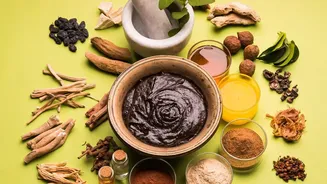
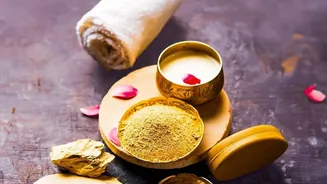
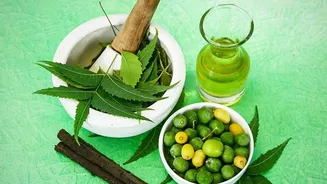
While Ayurveda is about more than just ingredients, it has a rich pharmacopoeia of powerful herbs that support skin health. However, these are seen as part of a larger system. Herbs like Ashwagandha, Amla (Indian Gooseberry), and Gotu Kola are celebrated for their rejuvenating (Rasayana) properties. Turmeric is renowned for its anti-inflammatory and brightening effects, while Neem is used for its purifying qualities. These botanicals are not isolated actives but are often used in complex blends and rituals, like in 'Ubtan' (herbal scrubs), that gently exfoliate and nourish the skin simultaneously. The focus is on synergy and gentle, long-term care rather than harsh, quick fixes.