







The Fading Allure of Crowded Coasts
For decades, the beaches of North Goa, like Baga and Calangute, were the undisputed heart of Indian tourism, synonymous with holidays, parties, and seaside relaxation. However, this immense popularity has come at a cost. Today, many visitors find these
iconic stretches of sand to be over-commercialized and crowded. While Goa's tourism numbers continue to grow, with over 4.6 million visitors in the first five months of 2026 alone, the experience on the main beaches can feel diluted for those seeking peace and nature. The constant buzz of activity, while exciting for some, is prompting a different kind of traveller to look inland for a more authentic and serene escape.
The Call of the Western Ghats
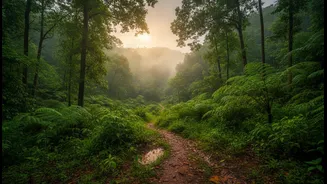
Just beyond the coastal plains lies Goa's verdant interior, a part of the UNESCO World Heritage-listed Western Ghats. This region of dense forests, rolling hills, and rich biodiversity is the state's best-kept secret. The government has also recognized this potential, actively promoting 'Goa Beyond Beaches' and developing ecotourism initiatives to encourage exploration of these hinterland areas. For nature lovers, this translates to a vast, green playground offering everything from jungle treks to birdwatching, far from the coastal crowds. These initiatives aim to provide sustainable experiences while supporting local communities.
Chasing Waterfalls and Wilder Rivers
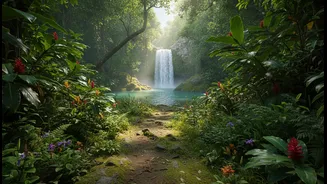
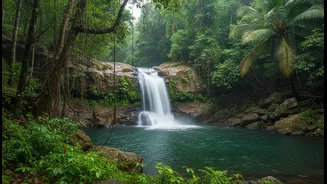
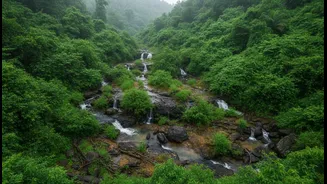
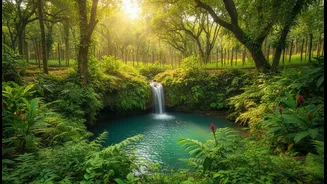
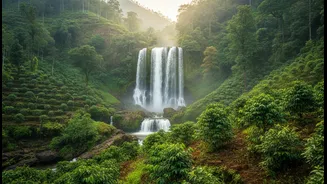
The hinterlands are home to Goa's most dramatic water bodies. While the iconic Dudhsagar Falls is a major draw, its accessibility is often restricted during the monsoon for safety reasons. But the region is dotted with numerous other cascades that come alive during the rains, such as the Harvalem waterfall and the Twin Vajra Waterfalls in the Chorla Ghats area. Adventure seekers can also find thrills away from the ocean waves. The Mhadei River, for instance, offers exhilarating white-water rafting experiences, especially from July to September, providing a unique way to witness the monsoon's power.
A Symphony of Green and Gold
Goa’s wildlife sanctuaries are the heart of the hinterland experience. The Mhadei Wildlife Sanctuary, a biodiversity hotspot, is home to over 255 species of birds and is a crucial habitat for elusive animals like the Bengal tiger and black panther. Further south, the Netravali Wildlife Sanctuary spans 211 square kilometers of evergreen forest, offering treks to the Savri and Mainapi waterfalls. These protected areas, including Chorla Ghats, are a paradise for birdwatchers and trekkers, with trails winding through landscapes that feel a world away from the coast. Many of these areas offer guided walks and tours that focus on conservation and education.
Spice, Culture, and Slower Living
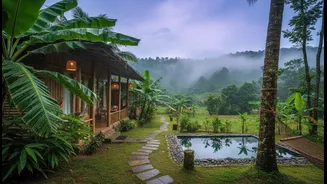
The appeal of the hinterland isn't just its raw nature; it's also about a slower, more immersive cultural experience. Spice plantations, like the family-owned farms scattered across areas like Ponda, offer fragrant tours where visitors can see cardamom, vanilla, and pepper growing in their natural state, often followed by a traditional Goan lunch. This provides a sensory journey into the region's agricultural heritage. Furthermore, the rise of eco-resorts and homestays allows travellers to experience authentic village life and hospitality. These stays often prioritize local cuisine, sustainability, and genuine connection over commercial tourism, offering a truly restful and enriching escape.