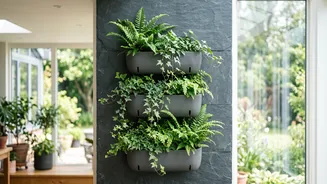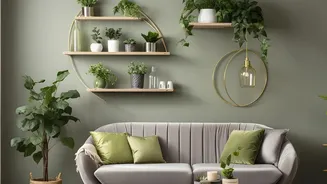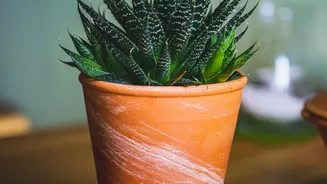






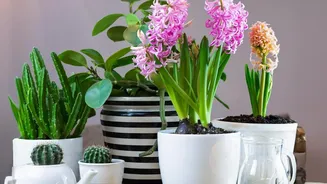
A lush, vibrant vertical garden can transform any space, but the dream of a living wall can quickly turn into a tangled mess. Overcrowding is a common pitfall that stifles growth and invites pests. Here is your guide to creating a balanced wall.
Plan Before You Plant
The single
most effective way to prevent an overcrowded vertical garden is to plan meticulously before you put a single plant in its pocket. Overcrowding occurs when plants grow too close together, forcing them to compete for essential resources like sunlight, water, and nutrients. This competition can lead to stunted growth, reduced yields, and increased vulnerability to pests and diseases. Before you start, research the mature size and growth habit of every plant you intend to use. A tiny seedling can quickly become a large, bushy plant that shadows its neighbors. Creating a simple sketch or layout can help you visualize how the plants will fill the space over time, ensuring each one has room to thrive.
Choose the Right Plants
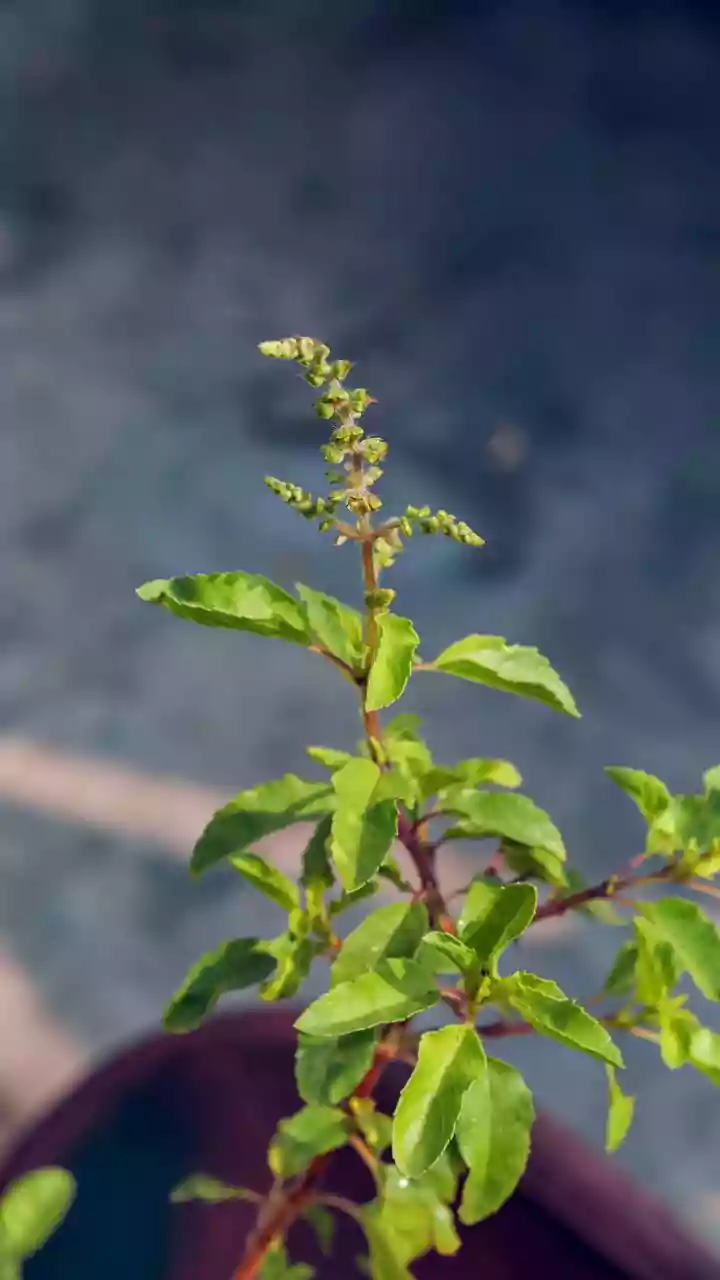
Not all plants are suited for the close quarters of a vertical garden. The best choices have shallow root systems and a compact or trailing growth habit. Leafy greens like lettuce, herbs such as basil, mint, and parsley, and trailing plants like pothos and strawberries are excellent candidates. Be wary of plants that develop deep, extensive root systems or grow into large, bushy forms. For vegetables, opt for dwarf or compact varieties, like 'Tiny Tim' tomatoes or bush cucumbers, which are bred for smaller spaces. Also, consider the plant's needs for light and water. Grouping plants with similar requirements together will make maintenance much easier and prevent one thirsty plant from being placed next to another that prefers dry conditions.
Master the Art of Spacing
When you first plant your vertical garden, it will likely look sparse. This is intentional. Resist the temptation to pack plants tightly for an instantly full look. You must space them according to their future, mature size. A good rule of thumb is to measure 'on-center,' meaning the distance from the center of one plant to the center of the next. This distance should generally match the mature spread of the plant. For example, if a plant is expected to grow 12 inches wide, it should be planted 12 inches away from the center of its neighbor. This ensures that when they are fully grown, their leaves will just touch, creating a full appearance without competing for space and restricting airflow.
The Importance of Regular Pruning
Pruning is not just about aesthetics; it is a crucial maintenance task for the health of your vertical garden. Regular trimming keeps plants tidy, encourages healthy new growth, and, most importantly, prevents one plant from overpowering another. If you notice a plant beginning to shade or grow over its neighbors, it is time for a trim. Use clean, sharp scissors or shears to cut back any excess growth, as well as any dead, yellowing, or diseased leaves. This practice improves air circulation throughout the wall, which is vital for preventing fungal diseases like powdery mildew that thrive in humid, stagnant conditions created by overcrowding. Some gardeners prune as often as every few months, especially for fast growing species.
Consider Your System's Design
The type of vertical garden system you choose can also influence overcrowding. Pocket planters, for example, have individual compartments that naturally help contain a plant's root system. However, the spacing between pockets is fixed, so choosing appropriately sized plants is still critical. Systems with trellises are excellent for vining plants like pole beans or cucumbers, as they encourage upward growth and can be trained to spread out, preventing them from smothering plants below. When setting up your system, also think about how gravity affects watering. Topward plants tend to dry out faster, while bottomward plants receive more moisture runoff. Overcrowding can exacerbate this issue by making it harder for water and liquid nutrients to be distributed evenly.