




The End of the Endless Layover
For decades, the travel equation for Americans heading to Asia was simple: fly to a massive hub like Tokyo, Seoul, or Hong Kong, then catch a connecting flight to your final destination. Want to see the beaches of Phuket or the historic streets of Da
Nang, Vietnam? That meant adding hours, and often an overnight stay, to your journey. These secondary, or 'tier-2,' cities—destinations with immense cultural and natural appeal but without the direct, long-haul flight capacity of a capital—were always a two-step process to reach. This created a barrier, relegating them to the 'someday' list for many travelers. But that map is being redrawn. A combination of new, ultra-efficient aircraft and shifting airline strategies is finally putting these incredible cities directly on the departure board.
Spotlight: The Da Nang Boom
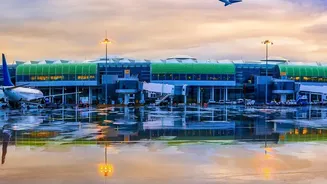
Perhaps no city exemplifies this trend better than Da Nang, Vietnam. Once a sleepy coastal town primarily known as a gateway to nearby Hoi An, it has transformed into a destination in its own right. The expansion of its international airport has been a key driver of this growth. With an increasing number of direct international routes from across Asia, the city is experiencing a significant tourism surge. In the first five months of 2026, Da Nang welcomed over 4.18 million international visitors, with accommodation providers seeing a year-on-year guest increase of nearly 30%. The city's tourism sector is now considered a key lever for its economic growth, expecting to handle up to 140 flights per day during peak periods. This influx of direct air traffic has turned Da Nang into one of Southeast Asia's hottest and most accessible destinations, proving the 'if you build it, they will come' theory of airport expansion.
The American Traveler Wins
While many new direct routes to these cities originate within Asia, U.S. travelers are the ultimate beneficiaries. Airlines are increasingly using hubs in Japan and the Philippines to offer seamless one-stop connections that feel almost like direct flights. For example, United Airlines has expanded its service, using its Tokyo-Narita hub to connect travelers to destinations like Cebu in the Philippines. Similarly, Alaska Airlines has deepened its partnership with Korean Air, allowing passengers to buy a single ticket from the U.S. to destinations like Hanoi or Ho Chi Minh City via Seoul. This 'codeshare' strategy simplifies booking and baggage, effectively erasing the hassle of traditional layovers. The result is that a beach vacation in the Philippines or a cultural tour of central Vietnam is no longer a logistical puzzle, but a straightforward trip that's more accessible than ever.
What's Driving the Change?
This shift isn't happening by accident. It's fueled by two major factors: technology and strategy. Newer aircraft like the Boeing 787 Dreamliner and Airbus A350 are fuel-efficient enough to make long-haul flights to smaller markets profitable. Airlines no longer need to fill a massive 747 to justify a route. Secondly, travelers' preferences have changed. Post-pandemic, there's a greater desire for authentic experiences and a move away from overcrowded primary cities. A 2025 report noted that searches for accommodations in secondary Asian cities were growing significantly faster than in major hubs, driven by travelers seeking both value and unique culture. Airlines are responding to this demand, recognizing that direct access is a huge factor for tourists when choosing a destination. For U.S. carriers, expanding partnerships and launching targeted routes to these up-and-coming leisure markets is simply good business.